by Leanne Ogasawara
It was every Medieval person's greatest aspiration. For, of course, finding Prester John would bring about the most glorious-not to mention grandiose– conclusion to the Crusades. In their rich imaginations, the Medievals believed that this would culminate in the return of Jerusalem from “the Moors” and the making way for the Second Coming–and the Kingdom of Heaven.
No small undertaking, the search for the Prester was just as mind-bogglingly quixotic as the other European obsessions, like for Eldorado and Atlantis and the Grail. And, like the search for the Holy Grail, this sone had the added imperative and will to power borne of religion.
I imagine my favorite Portuguese fidalgo not taking the news well. But maybe Pêro da Covilhã was no real fidalgo anyway–of humble birth, it was his wit and skill with languages that had brought him this far up the aristocratic ladder in Lisbon. Called to court in 1487, he arrived to a room full of Jesuits.
Not the bloody Jesuits, he must have thought, Anything but them.
His despair must have only deepened when he heard what the king had in mind for him.
He was being asked to lead an emissary to Abyssinia.
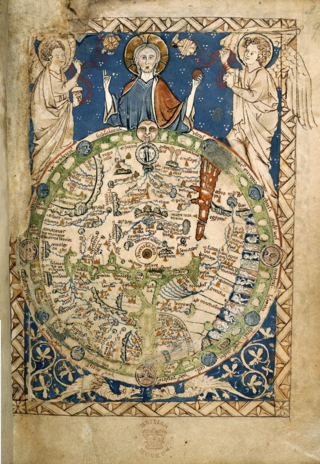
As he struggled to recall where Abyssinia even was located, one of the council map-makers probably appeared and unfurled a large map of the known world; one with Jerusalem lying smack in the middle. As they explained the route he was to take, a Jesuit confidante and adviser to the viceroy explained that it was the Court of the King of Abyssinia at which they believed the legendary Prester John resided.
Prester John? Not this Catholic nonsense again? Pêro da Covilhã must have struggled to keep his disbelief from showing on his face over what they were asking of him.