by Brooks Riley
(I began writing this article months ago, long before the refugee crisis.)
—Morgen! (Morning!)
—Guten Morgen! (Good morning!)
—Morgen zusammen! (Morning, you two!)
—Morgen Ihr zwei! (Morning, you two!)
—Kalimera! (Morning, in Greek)
—Servus! (Hi or bye, in leftover Latin from upper Bavaria)
—Buenos Dias! (Morning, in Spanish)
—Tag! (Good day, in North German)
—Einen wunderschönen guten Morgen! (A beautiful good morning!)
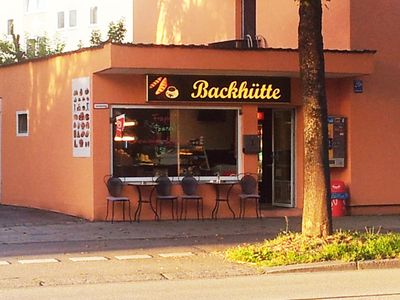
Giesing, with its Obergiesing and Untergiesing, is a now a melting pot of Munich—a quiet oasis of multicultural harmony. It’s always been a working-class neighborhood, not frequented by the grand, but also not ignored by the city fathers. Its 5-story balconied apartment complexes are spaciously nestled in lush green landscapes and along tree-lined streets. A vast elegant park provides meadows for dogs that need exercise and people who want a solitary walk or a picnic or a meditative sit on one of the many benches. Franz Beckenbauer, the second most famous German after Goethe, comes from Giesing, a paradise for families with limited means, born of functional, benign socialism, and a model of integration.
I’ve been sheltered all my life, isolated by acreage or a fine address. Even in New York, where I used to live, there was never a neighborhood feeling, even on the Upper West Side. New York is too big. The chances of seeing the same person on the street on consecutive days are slim. The chances of speaking to a stranger are nil. Los Angeles is worse–no one walks at all.
In Giesing, we know nearly everyone who passes by the café between 6:30 and 8 a.m. Even if they don’t stop to chat, they nod or greet us warmly. They come in all shapes, ages and backgrounds—from Africa, South America, Turkey, Asia, the Middle East, Eastern Europe, the Balkans, and Germany.