by Carol A Westbrook
I love my Apple Watch…or I used to love it. Now, I'm not so sure.
I was thrilled when I got a new Apple Watch shortly after their initial release by Apple in April of this year, a birthday gift from my husband. I enjoyed the Watch so much so much that I bought him one, too, and have recommended them to all my friends. I loved my new Apple Watch.
But now, I find myself looking at other watches. Sometimes I even wear one of my favorite “traditional” watches. Yes, at times I miss my beautiful, elegant, reliable old timepieces.
Don't get me wrong. I love the way I can use my Watch to check the headlines, get the current temp or weather forecast, check emails and messages, and see if I made my daily activity goal, all with a quick glance and a touch. I can ask Siri a question, find a restaurant with Yelp and get directions on a small map without getting out my phone. Best of all, I loved the way I could “tap” my husband's Apple Watch or send him a quick message. Yes, I love my Apple Watch. 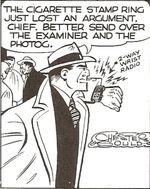
But… do I really like it?
From the start I enjoyed the attention I would get when I raised my wrist to check the time, and the screen would illuminate. Or even better, a call would ring and I would answer it by speaking into my wristwatch, like Dick Tracy used to do in the Sunday comics. Those of us of a certain age dreamed of owning a wrist-radio, but never thought it would happen in our lifetime!
“Wow, ” people would marvel, “is that a new Apple Watch?”
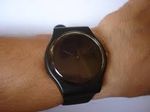
Now that these watches have been around for six months, they are no longer a novelty. The thrill of being a first-adopter has worn off, and my watch no longer gets much attention. As a matter of fact, my entry-level black “sport” Apple Watch ($349.00) looks surprisingly like an inexpensive Black Rebel Swatch ($70.00), as you can see by these pictures, Swatch on the left, Apple Watch on the right. 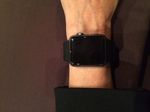
Sure, I could have gotten a pricier and more stylish Apple Watch, with a stainless case and band, but at $600 to $1000, or even up to $10,000+ it would have been hard to justify. It's not a Rolex, after all.
Of course there are other reasons I'm less than infatuated now. I looked back over the notes I made, to better understand how I felt when I first got the watch. I carefully documented my impressions, including my experiences during the three weeks that it took for me to master it well enough for everyday use.
And therein lies the rub…it took me three weeks to figure it out.
Read more »