by Dave Maier
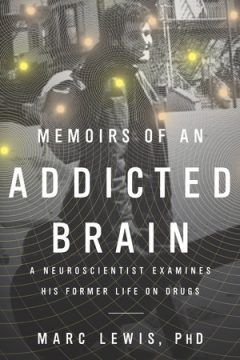 The relation between mind and matter is a perennial philosophical conundrum for a reason. If the workings of the mind depend too much on the physical material that seems to house it, then it can be hard to see how there’s conceptual room for human agency. On the other hand, if they don’t depend on it at all, then it’s hard to understand why such things as brain injury or the ingestion of this or that chemical substance should have any effects at all, let alone the reliably predictable effects that often result. Something’s gotta give!
We’re certainly not giving up the truths of natural science. However, just as allowing agency to slip the bonds of nature makes a lot of things inexplicable, so does getting rid of it entirely. (Imagine trying to explain, say, the Civil War without even once appealing, even implicitly, to the notion that human beings act on their beliefs and desires, and are thereby subject to praise and blame from others.) The two types of explanation need to learn to live together, as equally valuable tools in our conceptual toolbox. We need to get clearer, then, on how exactly our normative explanations, and our practices of praise and blame, actually play out. What are they good for, and what are their proper domains of application? What happens when we press them too hard, or try to use them for something they’re not designed to do? How can we get them to play nicely with their conceptual colleagues?
Problems result not only when we use normative language like we do the laws and concepts of science (a common error), but also when normative concepts or principles get in each others’ way, which they will even when we’re being careful, because that’s the nature of the beast. (And of course we’re not always careful.)
Let’s start with a look at a widely used principle, applicable not simply in moral contexts but to normativity generally: that “ought implies can.” The point of this principle is fairly intuitive. [Note: as a speaker of American English, I will be using “ought” and “should” interchangeably here (my apologies to the Queen).] It is at least very often true that it makes no sense to criticize someone for failing to do something which is impossible. On the other hand, there are many different potentially relevant senses and degrees of (im)possibility. Read more »
 It is a big cross. A really big cross. Forty feet in height, made of granite and concrete, The Bladensburg Peace Cross stands tall and straight for all to see.
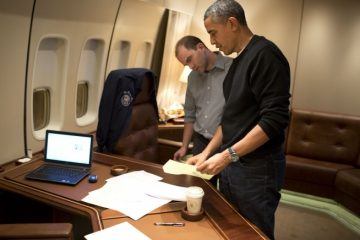
 Many years ago, my father and I were at a backyard BBQ in New Jersey hosted by someone we barely knew, I think they were somehow connected to my step-mother. At some point, the topic of flag burning came up and, before we knew it, we were engaged in an extremely heated debate on what patriotism actually means (I believe that the rights the flag stands for include the right to burn it). The debate ended up with a large group of people holding beers and hot dogs decrying the liberal anti-Americanism of the two of us. Not the best way to spend a summer afternoon. These days, it’s possible, in fact too easy, to repeat the unpleasantness of that afternoon all the time on social media. I try my best to steer away from the soul sucking void that is having debates on Facebook with friends of friends. We all have those people in our lives with whom we have a moral or political disconnect and that those people will sometimes make comments that will inflame our more simpatico friends may be inevitable, but doesn’t have to be engaged with and perpetuated. Such debates don’t change hearts and minds. Full disclosure, I admit, sometimes I don’t follow my own advice here as well as I should, but I try.
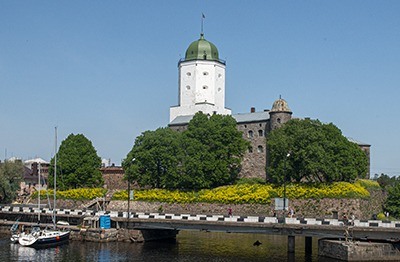 As early as 1293 a Swedish marshal built a castle in Vyborg, now Russian. The castle traded hands repeatedly between the Swedes and the then Republic of Novgorod. With the collapse of the Soviet Union and loss of fortresses in Narva, Tallinn and Riga,




 Racing down a German autobahn at impossible speeds is like running past a smorgasbord when you don’t have time to eat. Exit signs fly by, pointing to delicious, iconic destinations that whet the appetite but that one has no time for: Hameln, Wittenberg, Quedlinburg, Eisenach, Erfurt, Altenburg, Jena, Weimar, Dessau—markers of histories whose tentacles reach into the present in ways that belie their sleepy status on the map. You suppress the urge to slow down and take the off-ramp instead of moving right along to a big-city destination You opt to remain on the asphalt treadmill with arrival anxiety, telling yourself that one day you will take the time to explore all this, just not right now.
 Two weeks ago the 9th US Circuit Court heard