
by Akim Reinhardt
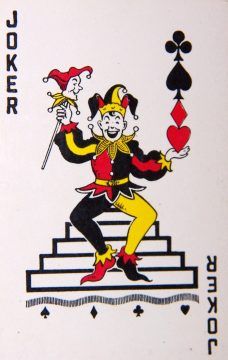 I saw Joker last week. I think it’s an excellent film. But the two friends I was with, whose tastes often overlap with my own, really hated it, and we spent the ensuing 90 minutes examining and debating the film. Critics are likewise fiercely divided. Towards the end of our conversation, one friend admitted that, love it or hate it, the film evokes strong reactions; it’s difficult to ignore.
One reason Joker is so divisive and controversial is that several issues have dogged the film.
- The film seriously confronts issues of nihilism. Because this is almost unheard in major Hollywood movies, it’s challenging even sophisticated viewers.
- Director Todd Phillips has recently said some very stupid shit.
- In this Trumpist moment, it is difficult to separate the film from current concerns about violence, toxic masculinity, misdirected raging populism, and possibly even oppressive whiteness.
Any serious discussion of the film must deal with these and other issues. Let’s start with the bookends of Phillips’ intentions and possible audience interpretations.
Director Todd Phillips, he of the massively popular and progressively redundant Hangover film franchise, has recently joined the chorus of spoiled Gen X comedians whining about “cancel culture,” and opined quite stupidly that “woke culture” has made it impossible to do comedy, and thus, feeling cornered, he has turned to drama.
Phillips’ sentiments are moronic, fragile, self-absorbed, and immature. In the real world, “cancel culture” is called “business decisions.” If Saturday Night Live fires a new writer because some of his prior comedy amounted to little more than tired old racism, they have done so because they’re worried about their bottom line, not your feelings. But if you really want to put the lie to “woke culture” ruining comedy, just watch the raunchy comedy of a talented, young, boundary-pushing comic like Nikki Glaser. In that context, Phillips just sounds like another middle-aged, straight white guy angrily bitching that no one laughs at his dumb locker room jokes anymore. Rat tail!
So is it fair then to ask about Phillips’ artistic and political intentions in making this film? Yes and no. Read more »

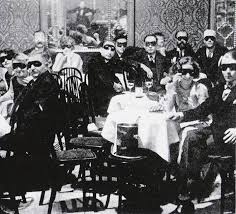 The terror of the unforeseen is what the science of history hides, turning a disaster into an epic. —Philip Roth, The Plot Against America
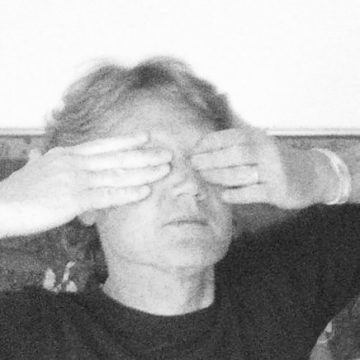 “What is hidden is for us Westerners more ‘true’ than what is visible,” Roland Barthes proposed, in Camera Lucida, his phenomenology of the photograph, almost forty years ago. In the decades since, the internet, nanotechnology, and viral marketing have challenged his privileging of the unseen over the seen by developing a culture of total exposure, heralding the death of interiority and celebrating the cult of instant celebrity. The icon of this movement, the selfie, is now produced and displayed, in endless daily iterations, in a ritual staging of eyewitness testimony to the festival of self-fashioning.
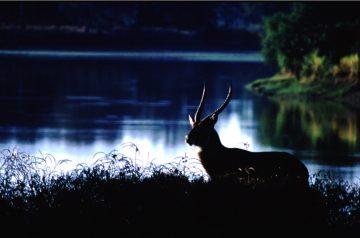 Late morning heat rises in waves over tall grass. It’s an hour and a half drive, sand flies buzzing, to Luwi bush camp, a seasonal camp with just four huts of thatch and grass on a still lagoon, far out into Zambia’s South Luangwa National Park, about 300 miles north of Lusaka.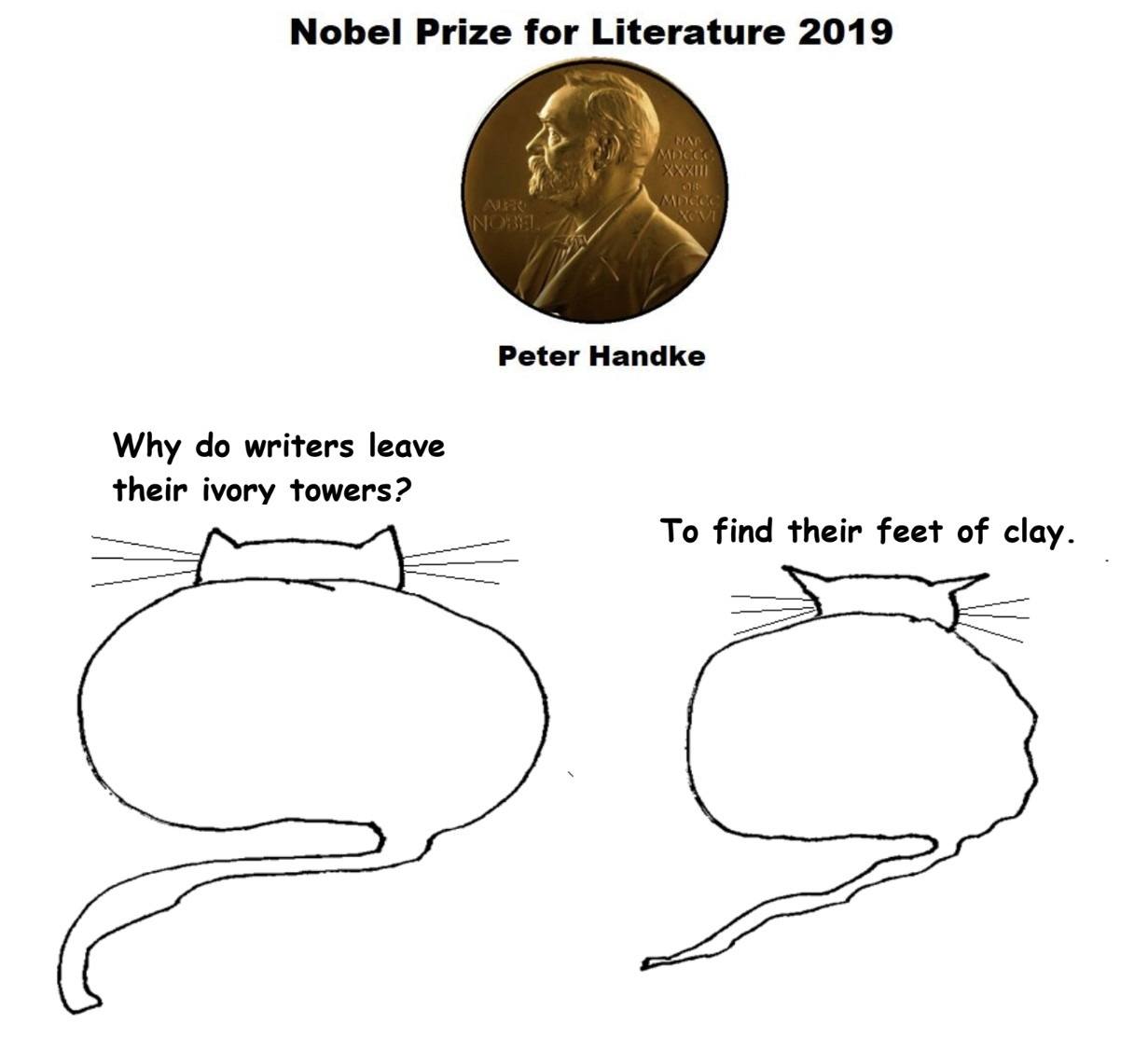

 This morning I rode an Uber to JFK from my apartment in Queens. I do this regularly and normally don’t worry too much about it, but this morning, there was just something about the driver that concerned me, though I couldn’t put my finger on what. But every time his, very loud, GPS gave him a direction, in a language I couldn’t pin down, I just had this sense that he truly had no idea where he was going. And in case you’re not familiar with NYC, if you drive a car for a living, you’ve probably driven from the city to JFK more than a few times and do know where you’re going. Anyway, we arrived at JFK, I reminded him I wanted terminal 2 and I thought, “I guess my worries were for nothing”. And almost as soon as I thought that, he missed the sign for terminal 2. I mean, I guess it can happen, but it’s never happened to me before in all my many years of flying out of that airport. The signs don’t exactly creep up on you. I tell him he’s missed it; we start on a loop back around the airport and I say, “the green sign’s for terminal 2”, then he misses it again. And it turns out, the reason he kept missing it was because his GPS was telling him something contrary. I pointed out to him that I hadn’t put terminal 2 in Uber, so how would its GPS know that? The third time around the airport, I rather lost my temper and told him to stop listening to his phone and to listen to me. And third time lucky, we reached terminal 2.





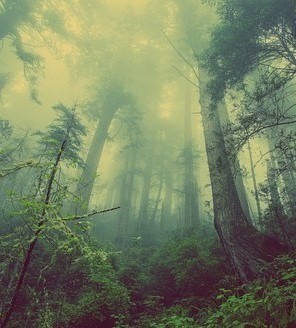 The Biophilia Effect: A Scientific and Spiritual Exploration of the Healing Bond Between Humans and Nature, by Austrian biologist Clemens G. Arvay, is a mind-expanding read. It is part of the relatively recent resurgence of interest in incorporating exposure to nature into physical and psychological healing regimens. Until recently, the notion of “taking the cure” by relaxing at a Swiss resort in a natural setting was seen as archaic, thought to have been prescribed only because medicine had not advanced to a point where a “real” treatment could be used. Not that everyone had abandoned the idea: Erich Fromm used the term “biophilia” in his 1973 work The Anatomy of Human Destructiveness to describe “the passionate love of life and of all that is alive.” American biologist Edward O. Wilson published Biophilia in 1984, positing genetic bases for humans’ tendency to gravitate to nature. Now scientists en masse are studying nature’s extraordinary healing effects. In Japan, shinrin-yoku–“taking in the forest atmosphere,” or as it is more often translated in the West, “forest bathing”– is officially recognized as a method of preventing disease as well as a supplement to treatment. In 2012, Japanese universities created an independent medical research department called Forest Medicine. Scientists around the world have begun to participate in this research.
 Two months ago I