Dr. Mustafa Çetiner is well-known for his research in Hematology and has published numerous articles in different national and international journals and three books on Hematological Malignancies. He was the chairman of the Turkish Hematology Society Bone Marrow Deficiency Scientific Subcommittee during 2014-2018. He is a member of many national and international associations, including Turkish Hematology Association, American Society of Hematology, European Bone Marrow Transplantation Registry. He is one of the founders of the Cancer Fighters Association and is currently a board member and vice president. Dr. Çetiner is currently working as Professor of Hematology at Acibadem Maslak Hospital in Turkey, Istanbul.
Azra Raza, author of The First Cell: And the Human Costs of Pursuing Cancer to the Last, oncologist and professor of medicine at Columbia University, and 3QD editor, decided to speak to more than 20 leading cancer investigators and ask each of them the same five questions listed below. She videotaped the interviews and over the next months we will be posting them here one at a time each Monday. Please keep in mind that Azra and the rest of us at 3QD neither endorse nor oppose any of the answers given by the researchers as part of this project. Their views are their own. One can browse all previous interviews here.
1. We were treating acute myeloid leukemia (AML) with 7+3 (7 days of the drug cytosine arabinoside and 3 days of daunomycin) in 1977. We are still doing the same in 2019. What is the best way forward to change it by 2028?
2. There are 3.5 million papers on cancer, 135,000 in 2017 alone. There is a staggering disconnect between great scientific insights and translation to improved therapy. What are we doing wrong?
3. The fact that children respond to the same treatment better than adults seems to suggest that the cancer biology is different and also that the host is different. Since most cancers increase with age, even having good therapy may not matter as the host is decrepit. Solution?
4. You have great knowledge and experience in the field. If you were given limitless resources to plan a cure for cancer, what will you do?
5. Offering patients with advanced stage non-curable cancer, palliative but toxic treatments is a service or disservice in the current therapeutic landscape?

 GENIE: AT LAST! Esteemed Master, you have released me from the ancient lamp! Out of my boundless gratitude, I shall grant you three wishes!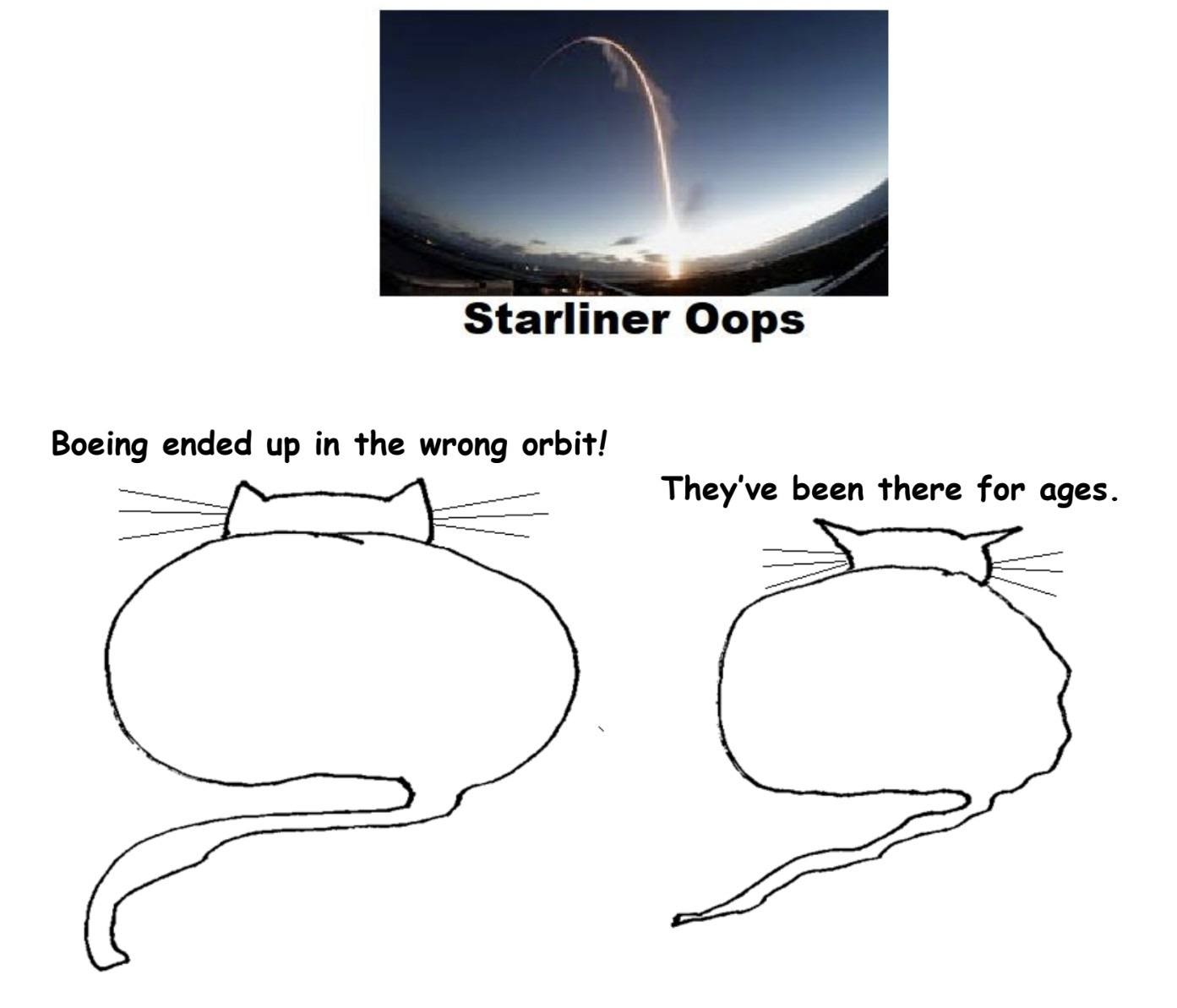
 The indicators that people use to track and understand their moods include exercise, diet, sleep, and many others. I’ve been thinking recently that my library activity surely must be correlated with my mood. I’m a frequent user of two libraries, and my checkouts and returns have a fairly small and regular ebb and flow. Overlying these minor fluctuations are larger and more diffuse patterns that I think offer clues to my inner state.
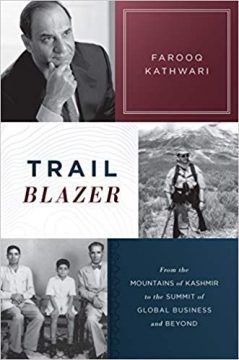 A Jewish grandfather and a Muslim man walk into a New York delicatessen….and 55 years later the Muslim man writes a trailblazing autobiography.


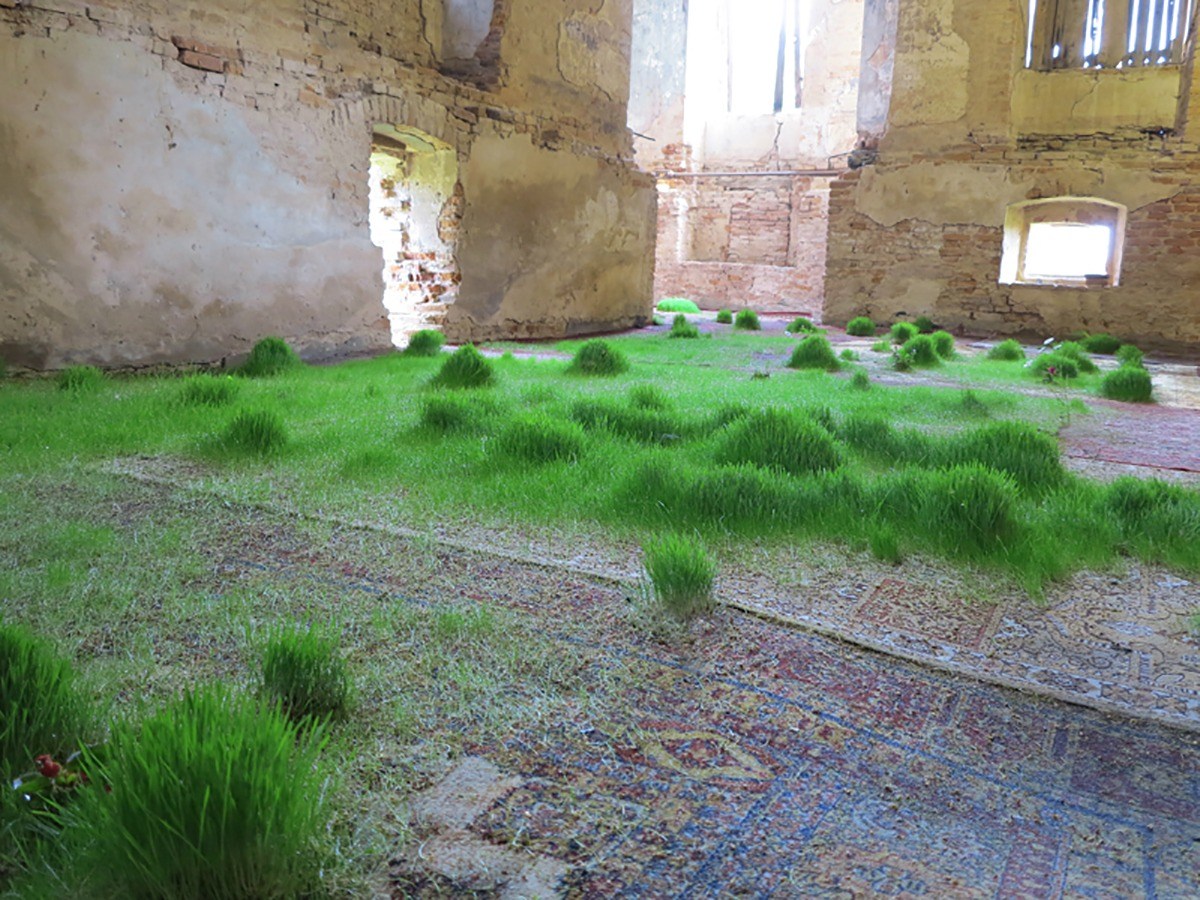
 I suspect there are many who feel that this Dickensian paradox applies to their own life and times. I certainly do. If you’re fortunate enough to have a sufficient income, a comfortable home, loving family and friends, decent physical and mental health, and plenty of interests to pursue, then life is good. But then a lying, narcissistic, cynical, conman like Boris Johnson is ensconced in power in the UK for five years, and things are not good. One dwells in the Slough of Despond.
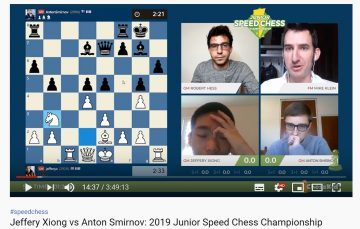 Earlier this year one of the encounters technology has made available for mind games took place – the 2019 Junior Speed Chess Championship. The technology is impressive, with the board, and video commentary by two masters, along with video of the players.
 Mom, why are we always at the doctor? Every week we come here. Are you dying?
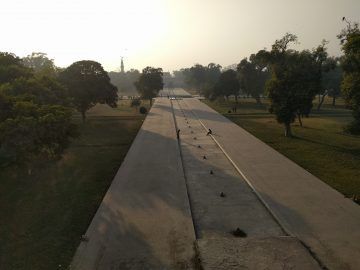 When we were young and living in Sialkot, we went frequently, almost once a week, to Lahore, the grand and hip city just a two-hour drive away. The trips were ostensibly for some real work—father, a district court lawyer, was appearing in a case being heard in the High Court or, his tuxedo in the trunk, was heading to a meeting of the Freemasons. Or it was for mother, who had critical shopping at Haji Karim Buksh, for crystal fruit bowls or the latest coffee cups, things not to be found in Sialkot, or was going to Hanif’s for a hair trim. Mother in the early 1960s sported a Jackie Kennedy cut that needed serious maintenance and only Hanif’s could manage that. For the children it might be to see doctors or dentists at Sir Ganga Ram Hospital—deflected septum (one of the boys was an avid boxer), enlarged tonsils, persistent skin rash, and such. And of course the routine checkups for father’s hypertension. Sialkot at the time did not have specialist doctors or reliable surgical facilities. (Interestingly enough it still does not, despite being a manufacturer and exporter of surgical goods.)