by Thomas O’Dwyer
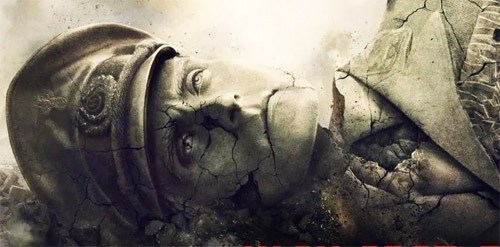
It could have been that simple — the Nazis nuke Washington D.C. and it’s all over. Capitulation follows, resistance is futile. There are plenty of right-wingers in high places — political, military, even cultural, who see this not as a conquest but an opportunity. French Marshal Philippe Pétain and Norway’s Vidkun Quisling had been such people. So too is Obergruppenführer John Smith, their fictional American counterpart in Philip K. Dick’s classic novel The Man in the High Castle. The conquering Nazis offer formerly patriotic American officers light temptations and they casually fall, and then rise. The war is lost, collaboration is inevitable. It’s better to be at the front of the queue, showing some willingness to proclaim (by some small actions) that you accept the times as they are a-changing.
Dick’s novel differs in many aspects from the recently completed Amazon TV series based on it. But in both, the Nazis secure the east side of the country, setting up their capital in New York. The West Coast is messier, but wasn’t it always? On that side of the continent, the Japanese have won. Unlike the stiff-necked and murderously pure Nazis, the Japanese are unabashedly nationalist. They are ruthless occupiers too, but ration their resources to inflict their cruelties on identifiable enemies and resisters. Read more »
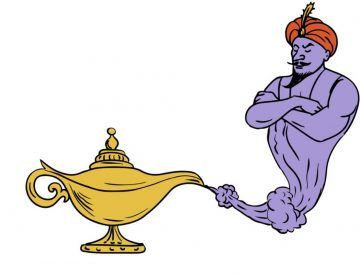 GENIE: AT LAST! Esteemed Master, you have released me from the ancient lamp! Out of my boundless gratitude, I shall grant you three wishes!
 The indicators that people use to track and understand their moods include exercise, diet, sleep, and many others. I’ve been thinking recently that my library activity surely must be correlated with my mood. I’m a frequent user of two libraries, and my checkouts and returns have a fairly small and regular ebb and flow. Overlying these minor fluctuations are larger and more diffuse patterns that I think offer clues to my inner state.
 A Jewish grandfather and a Muslim man walk into a New York delicatessen….and 55 years later the Muslim man writes a trailblazing autobiography.

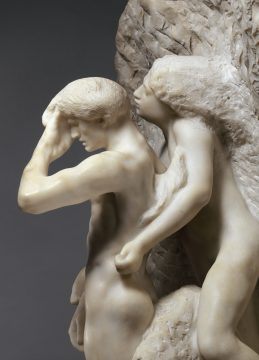
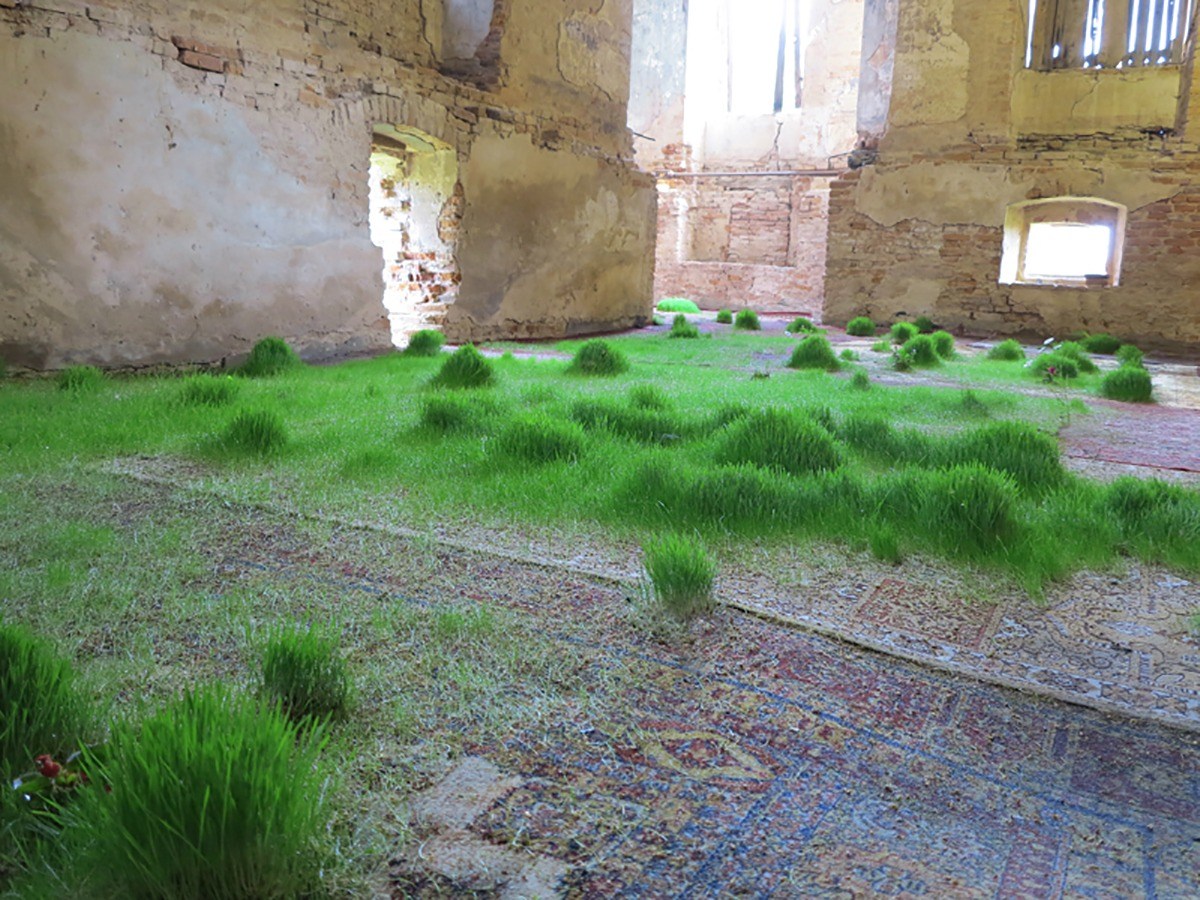
 I suspect there are many who feel that this Dickensian paradox applies to their own life and times. I certainly do. If you’re fortunate enough to have a sufficient income, a comfortable home, loving family and friends, decent physical and mental health, and plenty of interests to pursue, then life is good. But then a lying, narcissistic, cynical, conman like Boris Johnson is ensconced in power in the UK for five years, and things are not good. One dwells in the Slough of Despond.
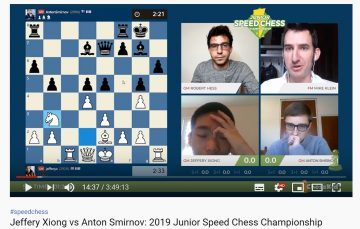 Earlier this year one of the encounters technology has made available for mind games took place – the 2019 Junior Speed Chess Championship. The technology is impressive, with the board, and video commentary by two masters, along with video of the players.
 Mom, why are we always at the doctor? Every week we come here. Are you dying?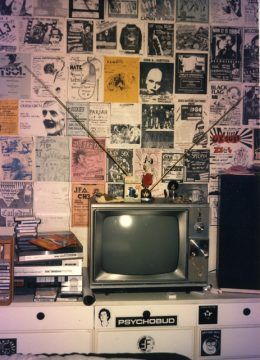
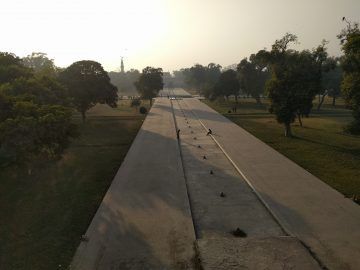 When we were young and living in Sialkot, we went frequently, almost once a week, to Lahore, the grand and hip city just a two-hour drive away. The trips were ostensibly for some real work—father, a district court lawyer, was appearing in a case being heard in the High Court or, his tuxedo in the trunk, was heading to a meeting of the Freemasons. Or it was for mother, who had critical shopping at Haji Karim Buksh, for crystal fruit bowls or the latest coffee cups, things not to be found in Sialkot, or was going to Hanif’s for a hair trim. Mother in the early 1960s sported a Jackie Kennedy cut that needed serious maintenance and only Hanif’s could manage that. For the children it might be to see doctors or dentists at Sir Ganga Ram Hospital—deflected septum (one of the boys was an avid boxer), enlarged tonsils, persistent skin rash, and such. And of course the routine checkups for father’s hypertension. Sialkot at the time did not have specialist doctors or reliable surgical facilities. (Interestingly enough it still does not, despite being a manufacturer and exporter of surgical goods.)