
by John Hartley
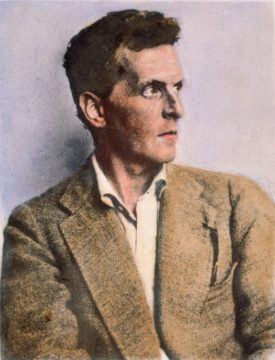
One wet January I happened to attend a meeting of the Newman Association – a Catholic group concerned with ecumenism. Long tailbacks on the motorway meant the guest speaker, making his way from Birmingham, was delayed. When Archbishop Bernard finally appeared an hour later, I was deep in conversation with my neighbour, a slightly built octogenarian with dishevelled white hair and a brown blazer.
David Ieuan Lloyd, I learnt, had studied and taught alongside Rush Rhees, Peter Winch and R F Holland, Howard Mounce and D Z Phillips, Dick Beardsmore and David Cockburn, in what was known as the ‘Swansea school’. The Philosophy department of Swansea University first cropped up on my radar some years earlier, when İlham Dilman’s treatise on Free Will singlehandedly side-tracked my undergraduate dissertation!
“Yes, I knew İlham well,” Ieuan reflected.
“What’s the big deal with Wittgenstein,” I finally asked, “It just seems like a load of nonsense!”
Ieuan gave a wry smile and what followed led to a series of semi-regular coffee shop conversations. Our inaugural meeting was a Pandora’s Box of maxims, rabbit holes and tangents, of which Ieuan later reflected “I hope the time today was of some use. I wondered when walking back that I stayed too long on the scepticism matter. More positively, would it be an idea when we next meet that you write a short menu on what you would like to discuss.”
Over the course of eighteen months I came to understand something of the ‘Swansea School’, from the many second-hand stories of someone who lived and breathed it, long after its cessation. Ieuan once recalled a story Rush Rhees had told. Read more »
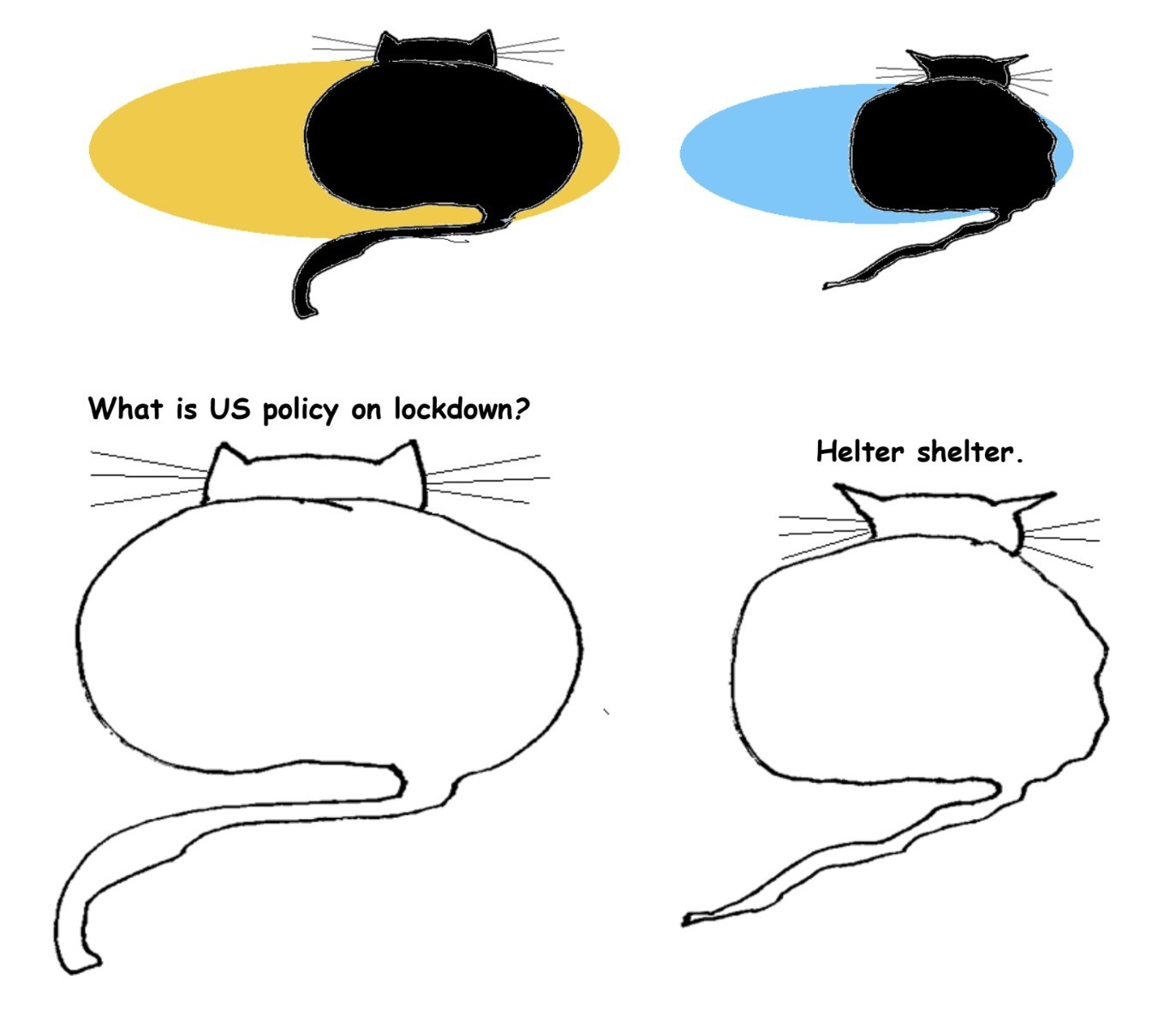
 Two months ago, COVID lockdown was still new; in the US it was horrific that
  Today will mark the death of at least one hundred thousand Americans because of COVID. The science was clear. Lockdown. Stop movement. Distance. This would have stopped large numbers of people dying. In short, stopping the virus from becoming a pandemic meant pausing the profit principle.
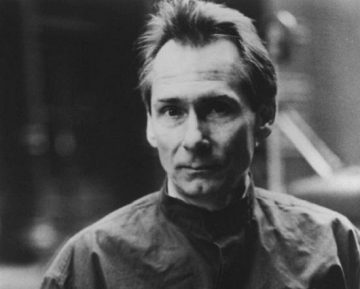 Jon Hassell is one of America’s musical treasures, and I’ve been listening to his music for forty years, so when I heard he needed help for his medical care, I decided to make a mix of his music. This mix actually grew into two mixes, so look for another one next month. This one features Jon playing with other musicians, and part two will feature other musicians whom Jon has influenced (and a bit more from Jon himself).
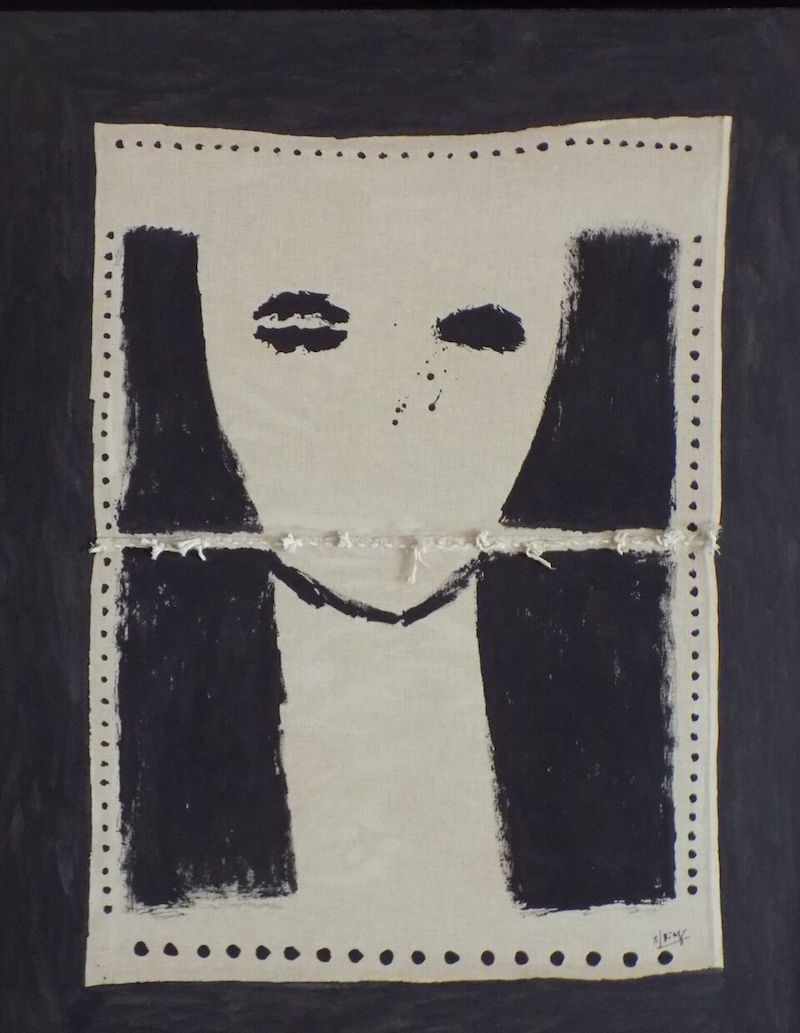
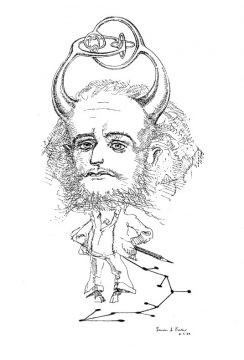
 Something has happened in the last forty days. The planet has gone quiet, a vast, reverberating, gesticulating global chorus suddenly muted by something wee and invisible which is borne across continents, streets and rooms by friends and strangers. Mass extinction, once the whispered woe of a distant future, suddenly sounds louder and doable in the here and now. The world is compelled to gaze at its own mortality.
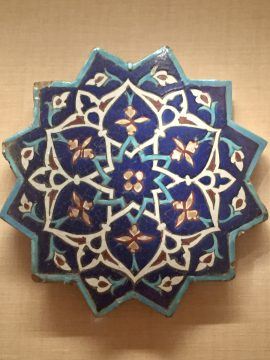 The month of Ramadan is at once a time of respite from the external— when one’s focus shifts from worldly affairs to the spiritual— and a time to deepen one’s sense of compassion and fellow-feeling via the rigors of daily fasting, prayer, reflection and generous giving. It is a time to break free from day to day concerns and to pay attention to one’s lifelong inner journey, whether it is through revitalizing the connection with the Divine or investing in human relations: personal, communal, and global.
 The COVID-19 pandemic has instigated talk of the systemic- or societal relevance of institutions and professions. Quickly, attributions of systemic relevance have become a matter of distribution of resources. In Germany, for example,
  What is worse – coronavirus itself, or the social and economic catastrophe that comes with it?
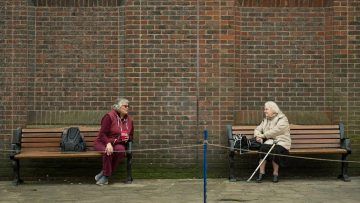 Like most people who have time to think in these stressful days, I have been thinking about life after the COVID-19 pandemic has passed – mostly at a personal level, but also a little about the world at large. This essay is an attempt to put some of these thoughts down as a time-capsule of how things appear from this perch in May of 2020, the first year of the New Plague.