by Joan Harvey
“Asked in an interview with Alex Jones, the far-right conspiracy theorist, what Trump should do against Democrats who “think they can steal” the election, Roger Stone — a close confidant of the president whose 40-month prison sentence for witness tampering and lying to Congress was commuted by Trump earlier this year — said that “the ballots in Nevada on election night should be seized by federal marshals and taken from the state” because “they are completely corrupted.” He also urged the president to declare “martial law” and invoke the Insurrection Act to arrest political opponents.” —Jamelle Bouie, “Trump’s Perverse Campaign Strategy” New York Times, September 15
“In case you didn’t notice, we’re being governed by armed thugs, criminals and traitors, who would as readily shoot you as spare you if it serves their purposes. This election is your last chance to save yourself and your family. Trust me, I’m not exaggerating. Not even a bit.” —Laurence Tribe @tribelaw on Twitter September 14
“I cannot speak with my voice, so I speak with my voices.” —Alejandra Pizarnik “Cornerstone” from A Musical Hell
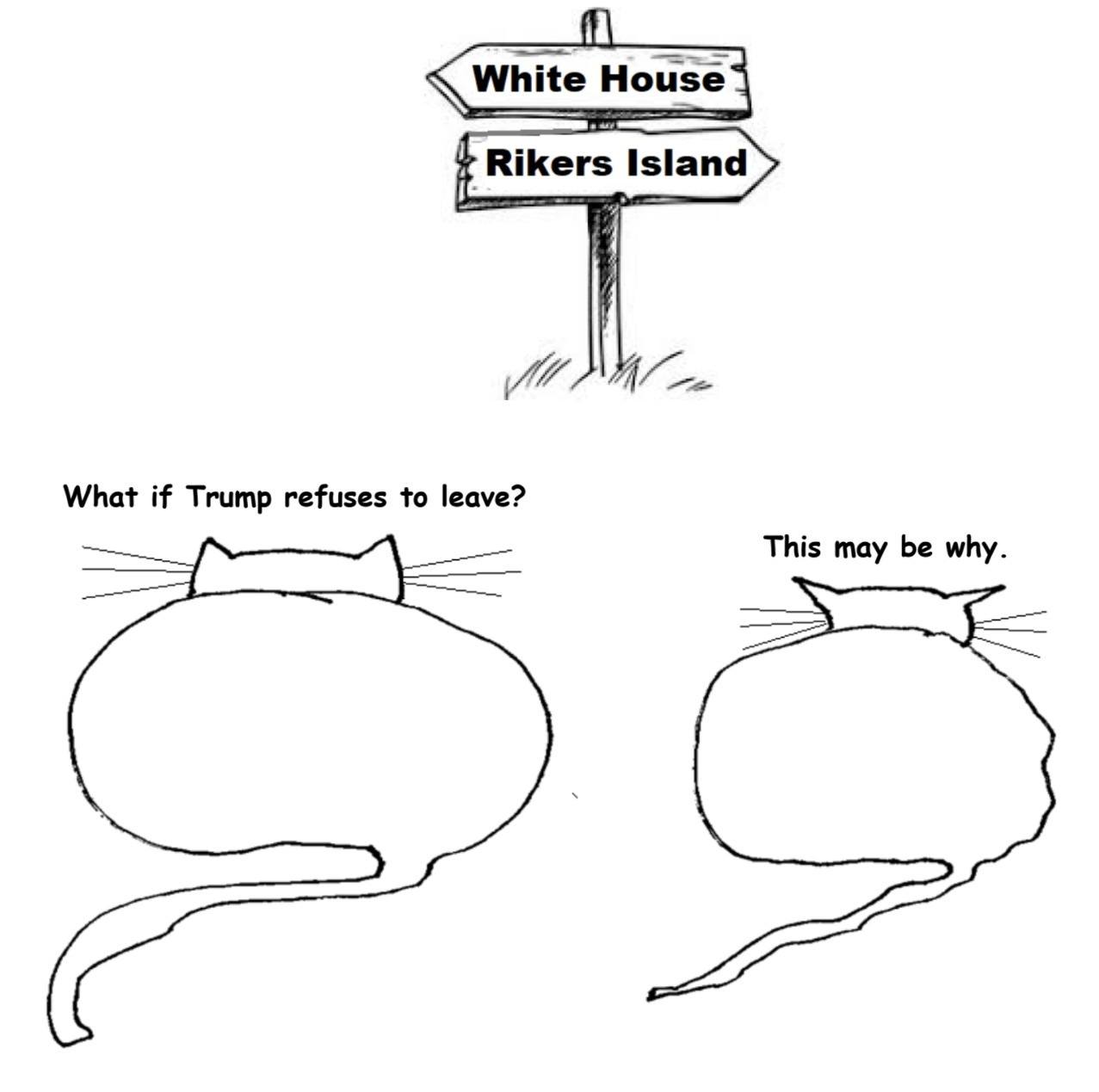
Already Trump supporters are outside at the polls harassing voters. Like their president, they must know that without violence, intimidation, and voter suppression on their part, their candidate doesn’t have a chance. We’re more than a month out from the election but already the mob rule we’ve been expecting has begun. Trump says he may issue an executive order preventing Biden from being elected. And he is making a big issue about voter fraud (which is almost nonexistent) while at the same time suggesting people vote twice, no doubt in order to create voter fraud so he can blame that if he loses.
The despotism and desperation of this administration is very much out in the open, and his followers either approve of it or don’t care. An increasingly likely outcome to this election is that most Democrats, sanely not wanting to expose themselves to Covid-19 and harassment at the polls, will vote by mail, while Republicans will go in person to the polls. The mail-in ballots won’t be counted by election eve by states unaccustomed to mail-in voting (and could possibly be sabotaged by state officials who want a delay). Trump will declare victory that night, will be backed by the courts, and the actual result will not matter. Read more »




 The stories in Seiobo There Below, if they can be called stories, begin with a bird, a snow-white heron that stands motionless in the shallow waters of the Kamo River in Kyoto with the world whirling noisily around it. Like the center of a vortex, the eye in a storm of unceasing, clamorous activity, it holds its curved neck still, impervious to the cars and buses and bicycles rushing past on the surrounding banks, an embodiment of grace and fortitude of concentration as it spies the water below and waits for its prey. We’ve only just begun reading this collection, and already László Krasznahorkai’s haunting prose has submerged us in the great panta rhei of life—Heraclitus’s aphorism that everything flows in a state of continuous change.
 by Callum Watts
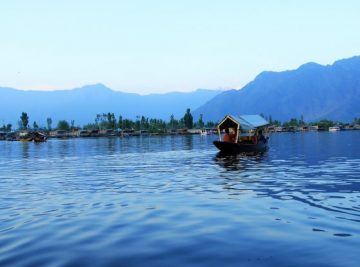 “Battle of Algiers”, a classic 1966 film directed by Gillo Pontecorvo, seized my imagination and of my classmates as well when it was shown three years later at the Palladium in Srinagar. A teenager wearing bell-bottoms, dancing the twist, I was a Senior at Sri Pratap College, named after Maharajah Pratap Singh, a Hindu Dogra ruler of Muslim majority Kashmir.
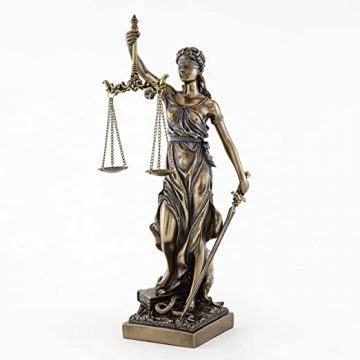 I remember as a child watching the made-for-tv movie
 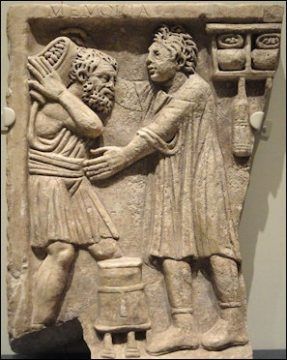 Whether or not a certain line of work is shameful or honorable is culturally relative, varying greatly between places and over time. Farmers, soldiers, actors, dentists, prostitutes, pirates and priests have all been respected or despised in some society or other. There are numerous reasons why certain kinds of work have been looked down on. Subjecting oneself to the will of another; doing tasks that are considered inappropriate given one’s sex, race, age, or class; doing work that is unpopular (tax collector); or deemed immoral (prostitution), or viewed as worthless (what David Graeber labelled “bullshit jobs”), or which are just very poorly paid–all these could be reasons why a kind of work is despised, even by those who do it. One of the oldest prejudices though, at least among the upper classes in many societies, is against manual labour.