by Varun Gauri
The challenge for liberal societies is to understand the allure of illiberalism in the first place, with far more honesty and subtlety than we muster. —Pratap Bhanu Mehta
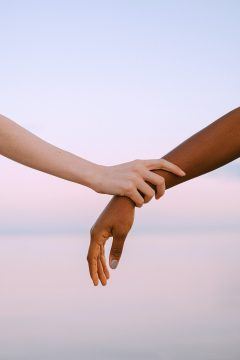
Why does illiberalism appear attractive to so many people in liberal societies these days? Part of the answer, certainly, is that liberal regimes, and especially neoliberal economies, have failed to deliver economic prosperity to all. Liberal regimes have become less responsive to democratic demands, instead concentrating political decision making and economic market share among fewer and fewer individuals, organizations, and firms.
But why turn to illiberalism in response? Why not more democracy, more inclusion, rather than less? Why not approaches that might directly tackle social, political, and economic inequalities, such as northern European welfarism, shared corporate governance, or even Gandhian localism? Why throw the baby out with the bathwater?
Part of the explanation, I want to suggest, in a tentative and exploratory way, is that illiberalism never disappears, even in liberal societies. Features of human psychology, combined with contemporary moral demands, have produced a beast that is extremely difficult to kill off. The monster is always there, beneath the surface.
By liberalism, I mean the moral intuition that human beings are equal in dignity and all incommensurably valuable. Societies embed that moral idea in diverse constitutions, political systems, welfare schemes, property rights regimes, and child-raising practices. As a result, liberal societies take different positions on economic liberty, religious freedom, and equality among social groups, among other issues. Read more »
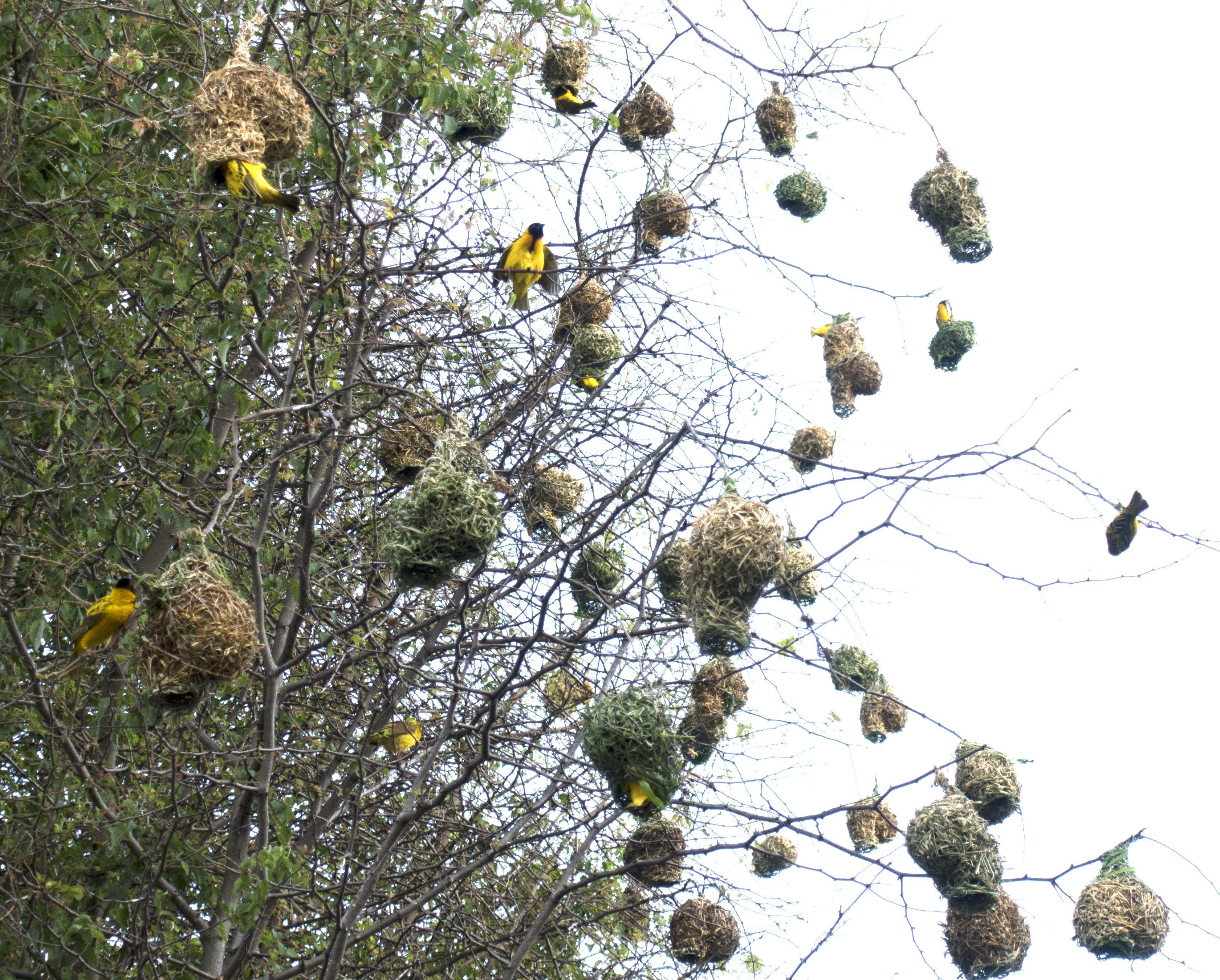 Sughra Raza. Lesser Weaver Nests, Akagera National Park, Rwanda. 2018.
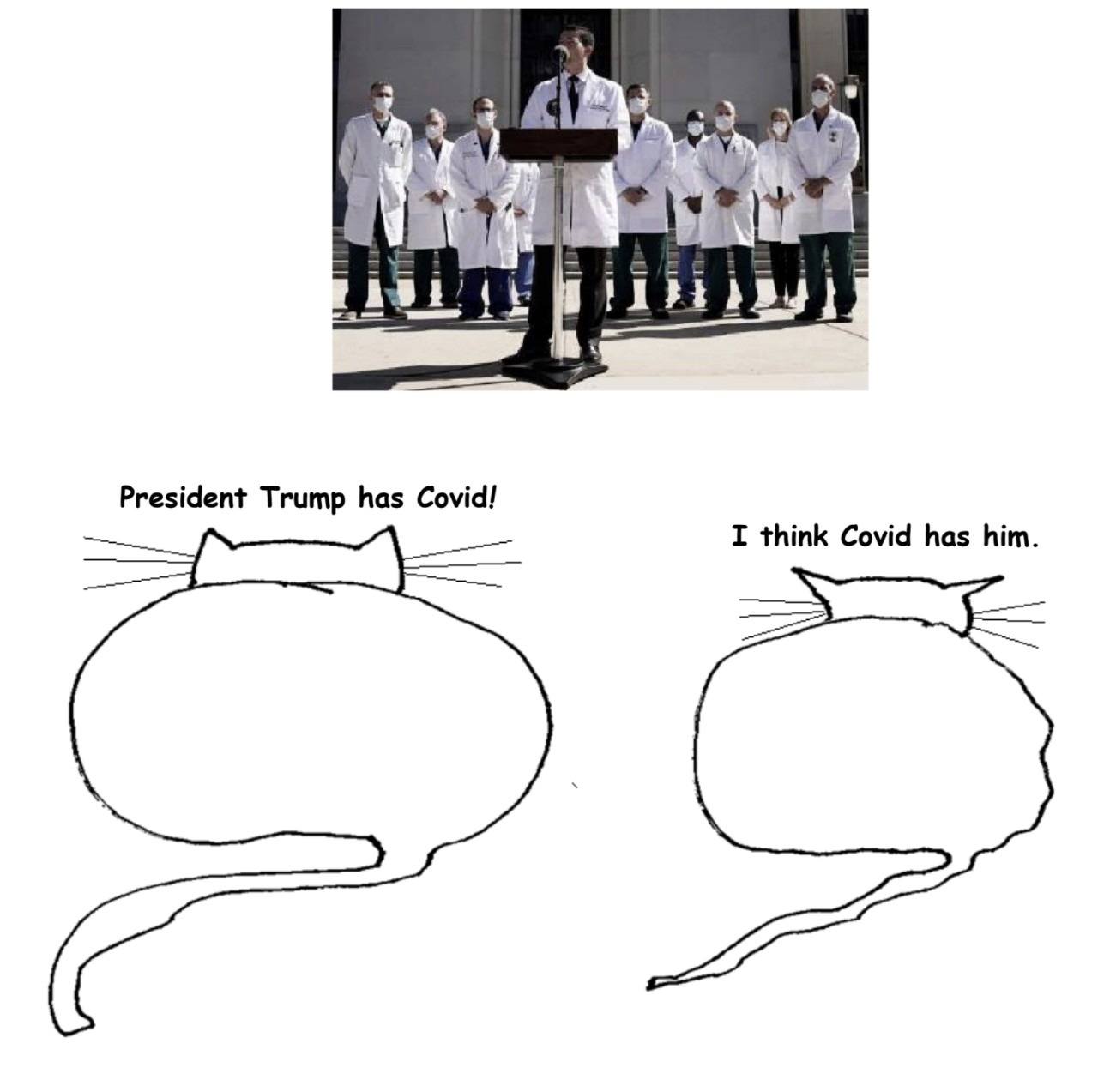
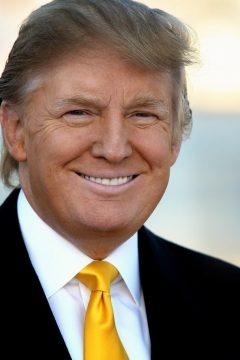 Donald Trump’s presidency has generated a greater than normal interest in American politics, but not necessarily for the right reasons. How, people wondered, could such a poorly qualified candidate, and, as we have seen over the years, of equally poor calibre possibly become the President of the United States and leader of the ‘free’ world?

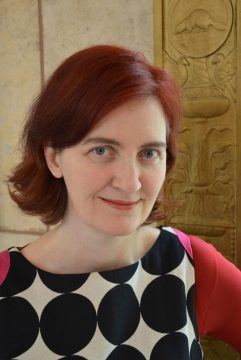 Irish-Canadian author
 In my earlier column, “