
Vaishnavi Chandrashekhar at the Yale School of the Environment:
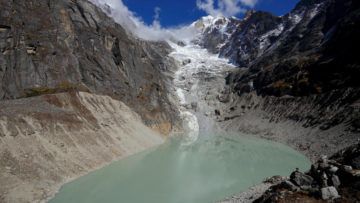 Spring came early this year in the high mountains of Gilgit-Baltistan, a remote border region of Pakistan. Record temperatures in March and April hastened melting of the Shisper Glacier, creating a lake that swelled and, on May 7, burst through an ice dam. A torrent of water and debris flooded the valley below, damaging fields and houses, wrecking two power plants, and washing away parts of the main highway and a bridge connecting Pakistan and China.
Pakistan’s climate change minister, Sherry Rehman, tweeted videos of the destruction and highlighted the vulnerability of a region with the largest number of glaciers outside the Earth’s poles. Why were these glaciers losing mass so quickly? Rehman put it succinctly. “High global temperatures,” she said.
Just over a decade ago, relatively little was known about glaciers in the Hindu Kush Himalayas, the vast ice mountains that run across Central and South Asia, from Afghanistan in the west to Myanmar in the east. But a step-up in research in the past 10 years — spurred in part by an embarrassing error in the Intergovernmental Panel on Climate Change’s 2007 Fourth Assessment Report, which predicted that Himalayan glaciers could melt away by 2035 — has led to enormous strides in understanding.
More here.
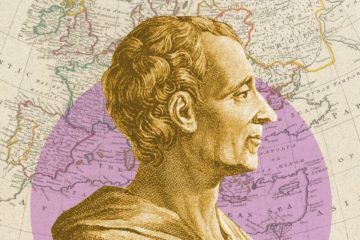 One of the most enduring ideas in economics is that free markets bring peace between countries. It comes from the notion that commerce drives humans to follow their mutual material interests rather than make destructive war due to passions.
 The French thinker Bruno Latour, known for his influential research on the philosophy of science has died aged 75.
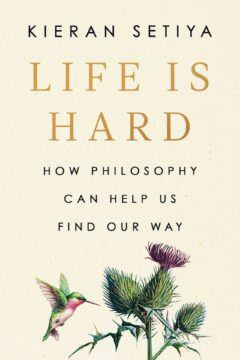 HAVE YOU NOTICED lately that everything is shit? Things were very shitty the year before last, they became even shittier last year, and now everything is just indescribably shit. As a species, we’ve been stuck with this aspect of the human condition for around 300,000 years. But the question of how to respond to it intellectually and emotionally arises with fresh urgency in each new generation. And in the face of each fresh piece of shit. Traditionally, one role of philosophy has been to aid us in this task. Friar Lawrence advises Romeo, banished from his city and the arms of his girl, to sip “Adversity’s sweet milke, Philosophie.” However, over the past couple of centuries, with the transformation of philosophy into an academic discipline, its connection with self-help has largely been severed. The aim of Kieran Setiya’s new book Life Is Hard is to recapture philosophy’s ancient mission of “helping us find our way” in the face of life’s afflictions.
 The girls and women of Iran are just bitchin’ brave, flipping the bird at its Supreme Leader in a challenge to one of the most significant revolutions in modern history. Day after dangerous day, on open streets and in gated schools, in a flood of tweets and brazen videos, they have ridiculed a theocracy that deems itself the government of God. The average age of the protesters who have been arrested is just fifteen, the Revolutionary Guard’s deputy commander
  Fredric Jameson in Sidecar:
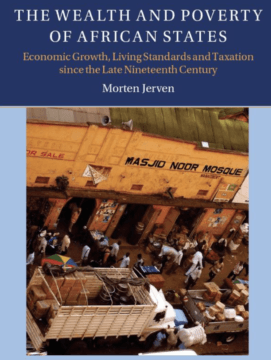 Alden Young in Phenomenal World:
 Blake Smith in American Affairs:
 I
I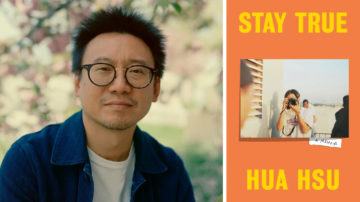 One of the funny things about adolescence is that the world can seem enormous, brimming with possibility, while at the same time the urgency to define oneself — fastidiously curating likes and dislikes, ruthlessly sorting people according to their musical tastes — can make the world feel extremely small.
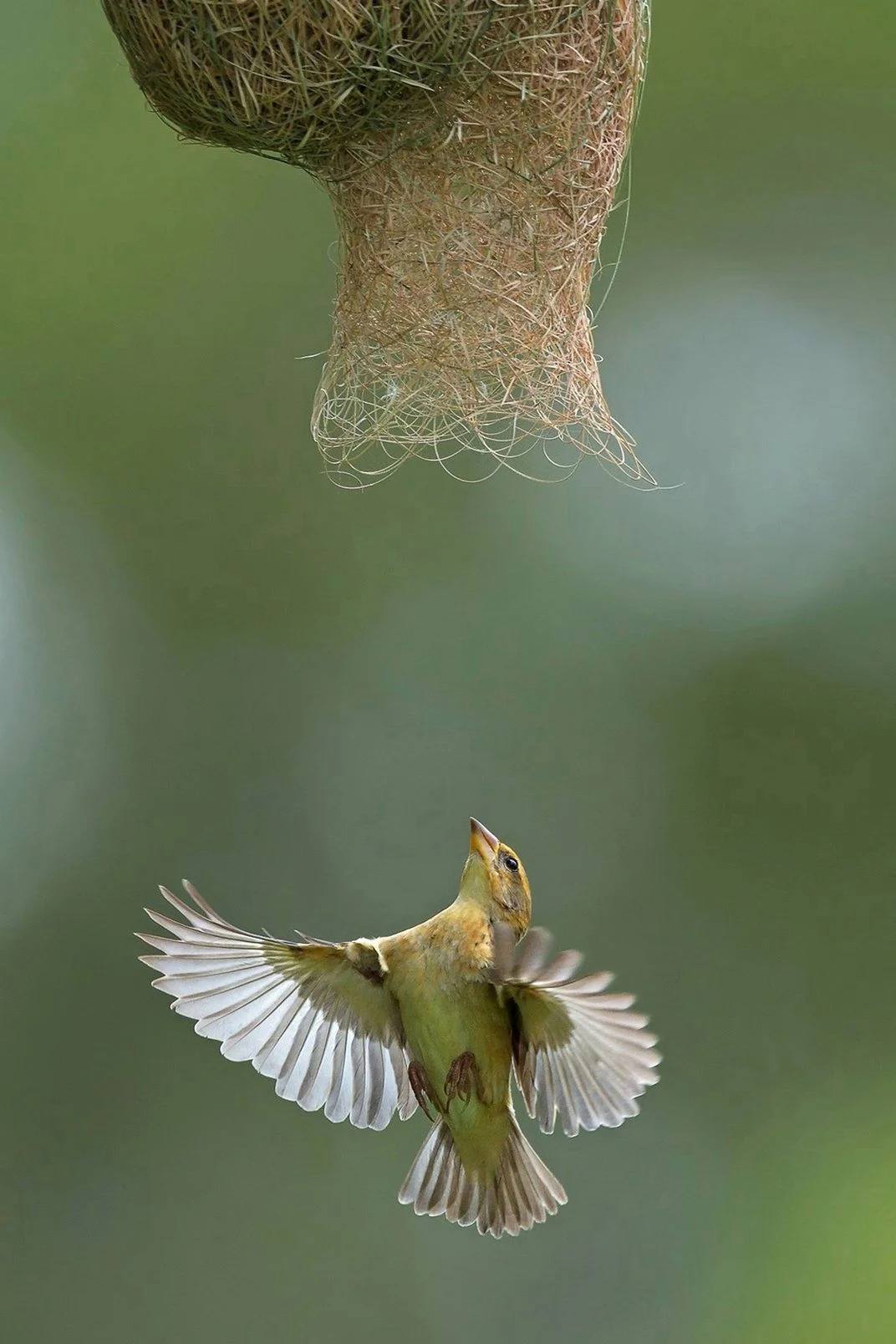

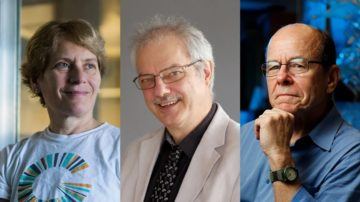 Three chemists who pioneered a useful technique called click chemistry to join molecules together efficiently have won this year’s Nobel Prize in Chemistry.