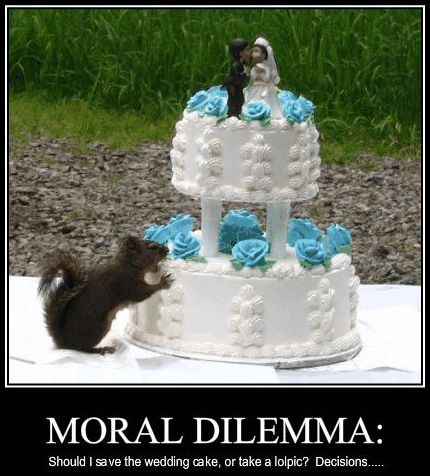
Examples abound in the literature. Sartre’s case of the student who wants to join the resistance but has an aging mother who lives with, and depends, on him. Sophie’s Choice to pick which of her two children will be killed by the Nazi concentration camp guard. If she refuses to pick one , both will be killed. Recently, I ran across a book—The Lone Survivor—which is an account of a group of Navy Seals on a mission in Afghanistan told by the only survivor of a failed mission. It presents an account of a moral choice that this group of four men had to make. The case is interesting to think about since it raises a number of different issues which are relevant to the theoretical notion of a moral dilemma, as well as the practical issue of how to think about such difficult and terrible choices.
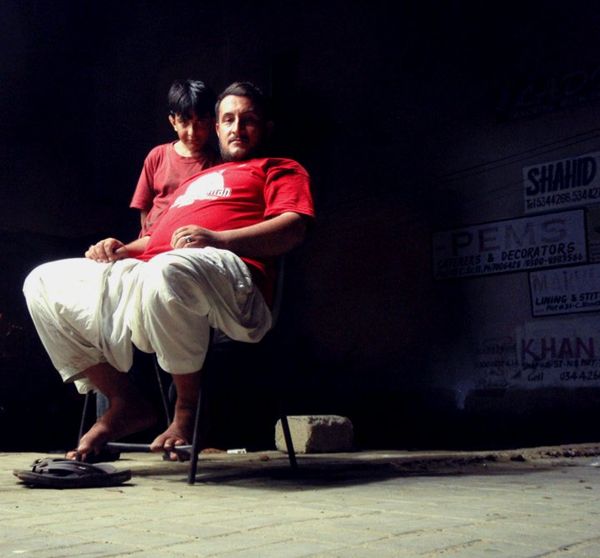
The four men set out on a mission to try and locate a local Taliban leader – the head of a heavily armed group of Taliban. They do not know what village he is in so plan to remain concealed in some appropriate spot on a sparsely covered high-up mountain until they spot him and attempt to kill him. They discover such a spot and remain concealed, and still, for many hours in the hot sun. If they are spotted from above they are dead ducks. But the area above them seems completely empty. After many hours they hear a noise of soft footsteps above them and a man, wearing a turban and carrying an ax almost stumbles over them. They point their rifles at him and tell him to sit down when suddenly a flock of goats comes trotting up the mountain accompanied by two other men–more precisely one man and a boy around fourteen years old. All three men are distinctly unfriendly—which might be explained by discovering a heavily armed group of soldiers camped out on their farm.