by Ahmed Humayun
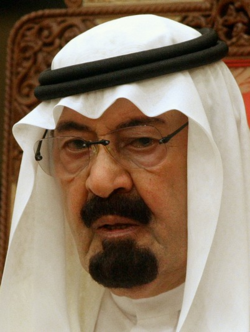
Earlier this month Saudi Arabia decreed that the Muslim Brotherhood, the Middle East's dominant Islamist party, was a terrorist organization. This is the latest move in a series that demonstrates Riyadh's profound fears about the challenge posed by the Arab uprisings to the Sunni ruling status quo, and especially to its self-appointed role as the arbiter of Sunni Islam. The Saudi designation says less about the character of the Muslim Brotherhood and more about its own embrace of an all-out eradication strategy meant to vanquish, rather than accommodate, the aspirations of populist Islamist activism across the region.
Contemporary states tend to apply the ‘terrorism' label selectively. Pakistan distinguishes the good Taliban, who are perceived to protect the state's interests in Afghanistan, from the bad Taliban, who attack the Pakistani state and are therefore described as terrorists. Saudi Arabia too condemns groups that target it, such as Al Qaeda and its offshoots, while remaining a critical sponsor of a dizzying array of militant factions around the world.
In the case of the Muslim Brotherhood, the charge of terrorism is particularly inapplicable. The Muslim Brotherhood renounced violence decades ago. Unlike violent extremist groups like Al Qaeda it does not preach that Arab rulers are apostates whose un-Islamic rule must be toppled through war and subversion. It denounces terrorist attacks, supports electoral democracy, and preaches political engagement—rather than terrorism and insurgency—as the method of advancing change.
Saudi antipathy towards the Muslim Brotherhood is not therefore due to any genuine fear of terrorism. The real threat is the political and ideological challenge posed by the Brotherhood's potent mix of Islam and politics. The Saudi model of governance uses religion to command absolute submission to rulers, disdains meaningful elections or transfer of power, and promotes a depoliticized citizenry. Through its enormous petro power it propagates the same Islamic order abroad, funding reactionary clerics, organizations and institutions across the Muslim world. An alternative way of construing Islam and politics is a deep internal threat to the legitimacy of the regime and a provocation to its monopolization of global Islam.
![Image[1]](/wp-content/legacy/6a00d8341c562c53ef01a73d982b76970d-400wi "Image[1]")