by Ashutosh Jogalekar
 One of my favorite quotes about artificial intelligence is often attributed to pioneering computer scientists Hans Moravec and Marvin Minsky. To paraphrase: “The most important thing we have learned from three decades of AI research is that the hard things are easy and the easy things are hard”. In other words, we have been hoodwinked for a long time. We thought that vision and locomotion and housework would be easy and language recognition and chess and driving would be hard. And yet it has turned out that we have made significant strides in tackling the latter while hardly making a dent in the former. The lower-level skills seem to require significantly more understanding and computational power than seemingly more sophisticated, higher-level skills.
Why is this? Clearly one trivial reason is that we failed to define “easy” and “hard” properly, so in one sense it’s a question of semantics. But the question still persists: what makes the easy problems hard? We got fooled by the easy problems because we took them for granted. Things like facial recognition and locomotion come so easily to human beings, even human beings that are a few months old, that we thought they would be easy for computers too. But the biggest obstacle for an AI today is not the chess playing ability of a Gary Kasparov but the simple image recognition abilities of an average one year old. Read more »


 As a child, I feared dogs. A neighbor kept his German Shepherds, Heidi and Sarge, in a large pen along the alley. The yard and house, his parents’, were the biggest for many blocks. On the alley side, the chain link fence stood 10 feet. The dogs would charge out of their houses silently and hurl their bodies at the fence snarling and barking. I was caught unaware at the fence a few times. My stomach curdled and legs buckled. My mother’s family are dog people. My grandparents cared for a series of large overfed dogs who cavorted in the swamps surrounding their Massachusetts home and otherwise slumped under the kitchen table waiting for my grandmother to put together meals of breakfast scraps bound with maple syrup or for treats from a cookie jar on her counter. My uncles had shambling dogs who would leap into rough water off Cape Cod to retrieve balls from seaweed choked waves. As their fur dried, they smelled of sour salt water and general funk. At the rented house, they showed a gentle deference to humans and lolled on the grass or carpet while my cousins and I ate and talked.
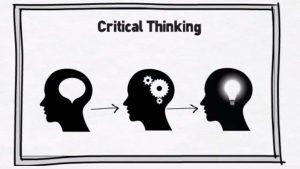 Having taught Philosophy for 46 years in three Universities—two State and one private—and never taught a Critical Thinking course one might have some questions about my choice of topic. My response is two-fold. First, there is a sense in which no matter what the topic of a particular course philosophy is always about critical thinking. One’s lectures are intended to model careful, reflective thought, sensitive to both the considerations favoring one’s views as well as the strongest objections. Second, because it is always going to be essential to use and define essential logical terminology.
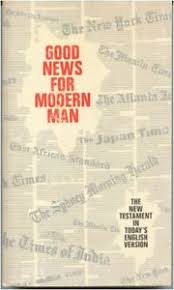 For a Baptist, the Bible exists like gravity. Not believing in gravity will not change the outcome if you step off a building; not believing the Bible will not change the consequences if you ignore its precepts and commands. Both are laws of nature, fixed and unchanging.
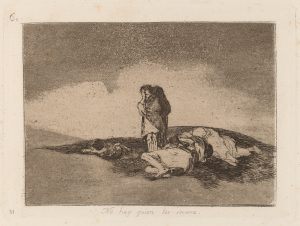 Few topics have captured the attention of the internet literati more than the topic of Jordan B. Peterson. Peterson,
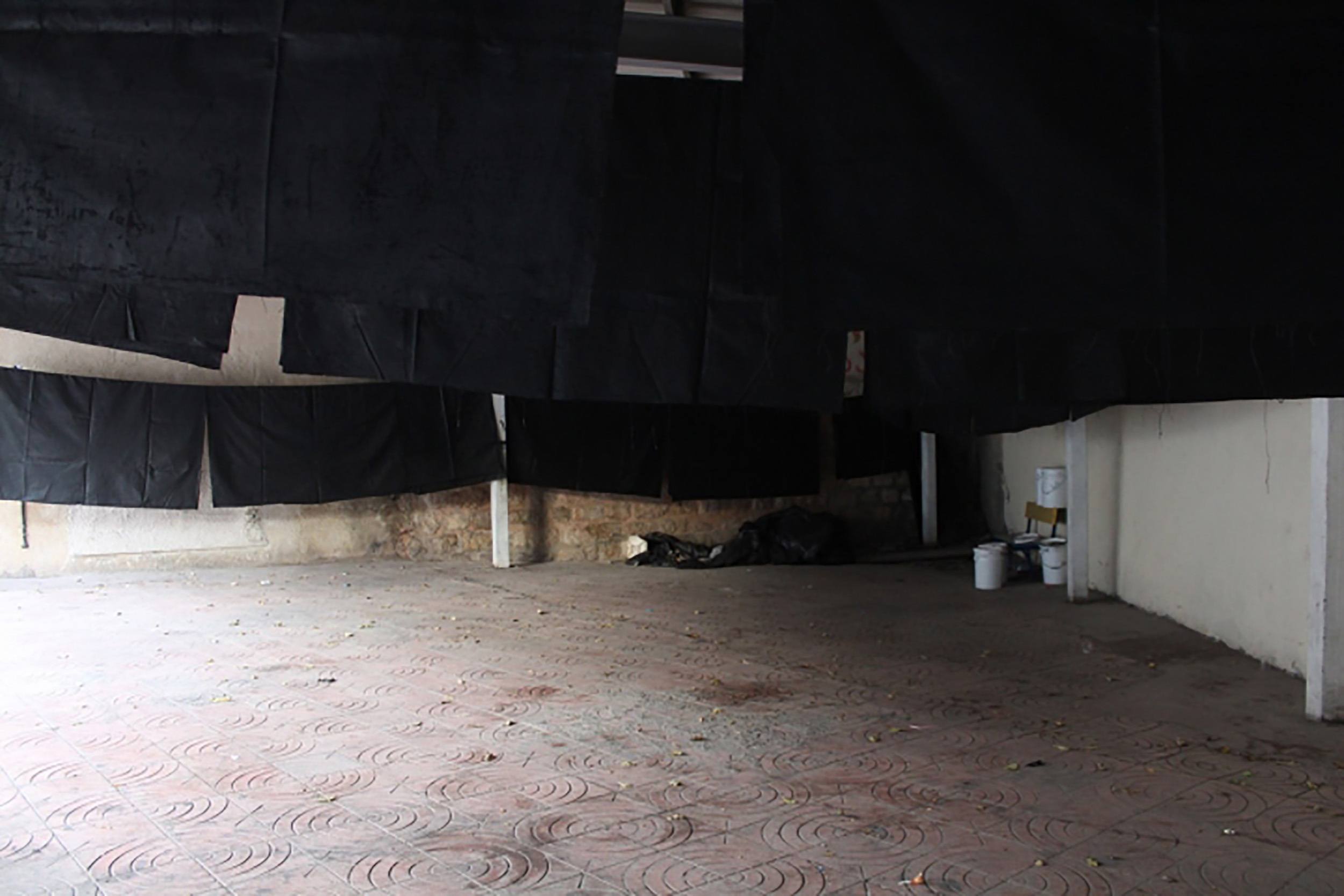
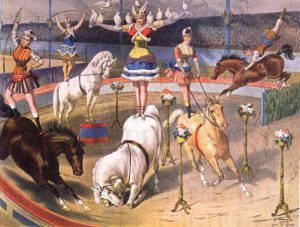 What follows is part of a collaborative project between a historian and a student of medicine called “The Temperature of Our Time.” In forming diagnoses, historians and doctors gather what Carlo Ginzburg has called “small insights”—clues drawn from “concrete experience”—to expose the invisible: a forensic assessment of condition, the origins of an idiopathic illness, the trajectory of an idea through time. Taking the temperature of our time means reading vital signs and symptoms around a fixed theme or metaphor—in this case, the circus.
 Beauty has long been understood as the highest form of aesthetic praise sharing space with goodness, truth, and justice as a source of ultimate value. But in recent decades, despite calls for its revival, beauty has been treated as the ugly stepchild banished by an art world seeking forms of expression that capture the seedier side of human existence. It is a sad state of affairs when the highest form of aesthetic praise is dragged through the mud. Might the problem be that beauty from the beginning has been misunderstood?
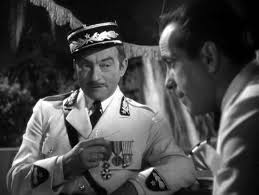 There is a famous exchange in Casablanca between Rick (Humphrey Bogart) and Captain Renault (Claude Rains):