
by Bill Murray
The first part of this century West Africa was no place to be. Liberia was led by Charles Taylor, now serving a fifty year sentence for “aiding and abetting as well as planning some of the most heinous and brutal crimes in recorded human history.” In Sierra Leone’s civil war, entire families were gunned down in the street. Children and adults had their limbs hacked off with machetes.
A few years later in 2010, Laurent Gbagbo, the incumbent president of Côte d’Ivoire, refused to cede power following elections. Subsequent clashes led to 3000 deaths. (Gbagbo was acquitted of war crimes in January of this year).
In the late 1990s though, you might casually catch a flight to Abidjan on now defunct Air Afrique for a bit of innocent, if unlikely, tourism.
It was still the era of guidebooks. Here is the then-current Lonely Planet Guide to West Africa:
“On the northwest edge of town near the beginning of the road to Dabou is the Parc du Banco. Several hundred meters beyond the dirt road entrance to the park you’ll see … Africa’s largest outdoor laundrette – some 750 fanicos (washermen), mostly Burkinabé and none Ivorian, jammed together … in the middle of a small stream frantically rubbing clothes on huge stones held in place by old car tyres.” Read more »

 employees, a move that could increase wages and benefits for hundreds of thousands of struggling workers. […]
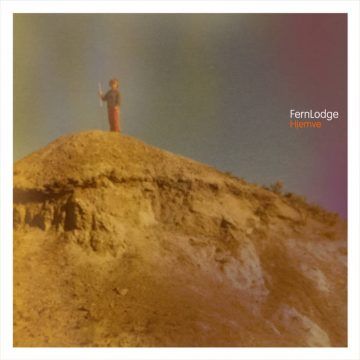 We’ve seen a couple of these artists before. FernLodge is this guy Joe from Canada, whose music is (as is all of this music actually; follow the links) available on Bandcamp. However, while most artists, even when giving their music away for free, allow you to “name your price” (which in turn allows you, if your price isn’t zero, to put that music into your Bandcamp “collection,” available to download whenever you want), Joe simply sets the price at “free” (which means you can’t put it into your online collection even if you want to). As you can tell by listening, Joe is being way too modest, as
  Someone else gets more quality time with your spouse, your kids, and your friends than you do. Like most people, you probably enjoy just about an hour, while your new rivals are taking a whopping 2 hours and 15 minutes each day. But save your jealousy. Your rivals are tremendously charming, and you have probably fallen for them as well.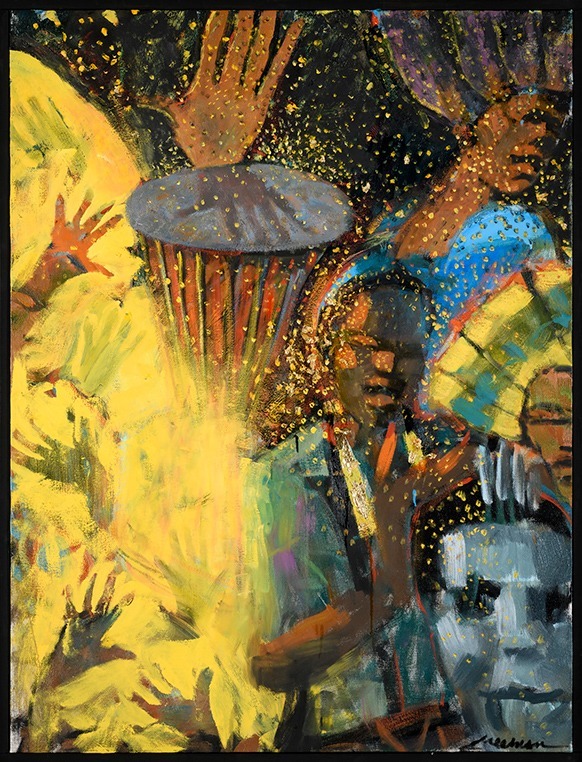





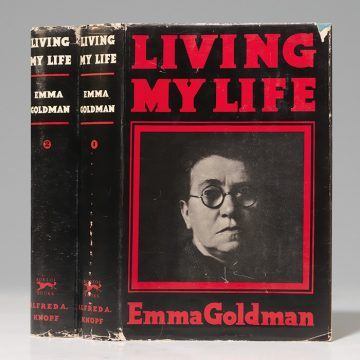 In a political era where many of the ‘isms’ in radical politics: Marxism, socialism, communism, anarchism, Trotskyism have either been discredited or have lost their appeal and force in western democracies, I found it refreshing to visit the life of one individual deeply involved in shaping those radical movements in the twentieth century: the anarchist, Emma Goldman, in her autobiography Living My Life.
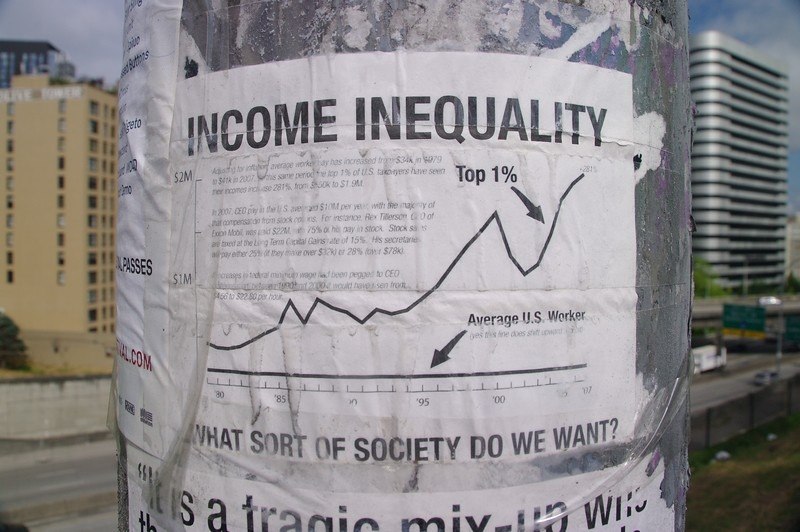 There is widespread concern about increasing or high economic inequality in many countries, both rich and poor. At a global level, according to the World Inequality Report 2018, the richest 1% in the world reaped 27% of the growth in world income between 1980 and 2016, while bottom 50% of the population got only 12%. Over roughly the same period, however, absolute poverty by standard measures has generally been on the decline in most countries. By the widely-used World Bank estimates, in 2015 only about 10 per cent of the world population lived below its common, admittedly rather austere, poverty line of $1.90 per capita per day (at 2011 purchasing power parity), compared to 36 per cent in 1990. This decline is by and large valid even if one uses broader measures of poverty that take into account some non-income indicators (like deprivations in health and education) for the countries for which such data are available.
 For me, a highlight of an otherwise ill-spent youth was reading mathematician John Casti’s fantastic book “