by Mindy Clegg
In recent years, social and political conflicts over fandom emerged into general public consciousness. Both Captain Marvel and the upcoming film Joker illustrate the point. Both films stirred contentious debates around gender this past year.1 But many who are either new to fandom or count themselves as casual fans might miss that these debates are not new. Speculative fiction has been generating discussion around contentious issues for decades. Sci-fi and fantasy genres excel at allowing the reader or viewer to engage creatively with politically charged ideas. A look at some of the earlier postwar franchises can be instructive in understanding the connection between political discourse and fandom communities, in this case Star Trek and Star Wars. Although fandom dates to much earlier in the century (the 1930s at least), the popularity of both franchises brought in new people and shifted the dynamic from a smaller, literary-based community to wider mass media fandoms.2 These franchises proved fertile ground for socio-political discussions. They also provide an excellent lens into the time periods in which they aired (today included). As such, I argue in this months’ essay that the two franchises represented diverging generational views and political paths to a better society. Both shaped how we relate to mass mediated speculative fiction and can help us better understand the political discourses of a given historical period.
The men who created these two franchises revealed their own political views through their work. Gene Roddenberry was a vet of the Second World War and a member of the LAPD before becoming a script writer for TV. He began writing for TV in the late 1950s and early 1960s, using his experience with the LAPD and his interest in westerns to create a career in the writers room. He soon pitched a new project based on his interest in both science-fiction and the Civil Rights movement. He called Star Trek a “Wagon Train to the stars.” Read more »

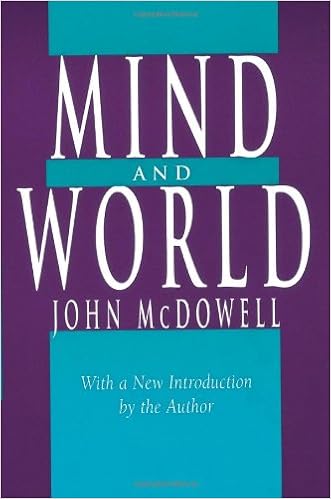 This year marks the 25th anniversary of the publication of
 An intransigent form of identity politics in combination with neoliberal ideology has left the modern university, if not in ruins, then lacking imagination and cultural capital. It has become a place of sequestered spaces—symbolic and real—where too many students and faculty fear discussing issues deemed to be controversial, inappropriate, or “political.” Across the social sciences/humanities, politics, religion, sex, sexual orientation, climate change, science, gender, economic inequality, poverty, reproductive rights/regulations, homelessness, race, Trump, democracy, capitalism, patriarchy, anti-Semitism, Israel, terrorism, gun violence, sexual violence, and white supremacy are just some of the topics that today make students and even some teachers uncomfortable. At best maybe these topics are addressed by creating some kind of false equivalent in an effort to feign neutrality and keep people comfortable. Discomfort in the classroom from ignorance, tension, power imbalances, conflict, disagreement, or any degree of affective and cognitive dissonance is no longer tolerated. While it used to be considered a fundamental part of the critical learning experience, discomfort of this sort now signals a flaw in pedagogy and/or the curriculum and a betrayal of trust. Learning should always feel good, be nurturing (maternalistic), and, above all, fun. If it’s not then there is hell to pay.


 It doesn’t take much. A small piece of gravel, spit out by a truck’s wheel, ricochets off the windshield, taking a tiny chip of glass with it. A microscopic divot and discreet little lines, like crow’s feet at the corner of an eye. Barely noticed for months, the accordion of heat and cold compress and expand, adding and relieving pressure. Then finally, the scratches spread out across the glass like an avant garde spider web.
 by Leanne Ogasawara
 employees, a move that could increase wages and benefits for hundreds of thousands of struggling workers. […]
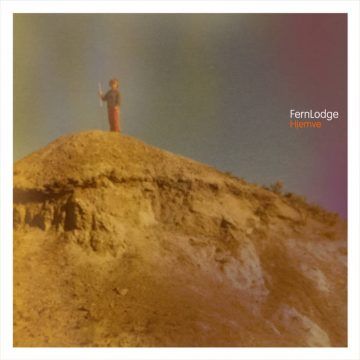 We’ve seen a couple of these artists before. FernLodge is this guy Joe from Canada, whose music is (as is all of this music actually; follow the links) available on Bandcamp. However, while most artists, even when giving their music away for free, allow you to “name your price” (which in turn allows you, if your price isn’t zero, to put that music into your Bandcamp “collection,” available to download whenever you want), Joe simply sets the price at “free” (which means you can’t put it into your online collection even if you want to). As you can tell by listening, Joe is being way too modest, as
  Someone else gets more quality time with your spouse, your kids, and your friends than you do. Like most people, you probably enjoy just about an hour, while your new rivals are taking a whopping 2 hours and 15 minutes each day. But save your jealousy. Your rivals are tremendously charming, and you have probably fallen for them as well.