
“Time is a static in the mind.”—Malachi Black, poet
Timesea
In the days when there were bona fide summers
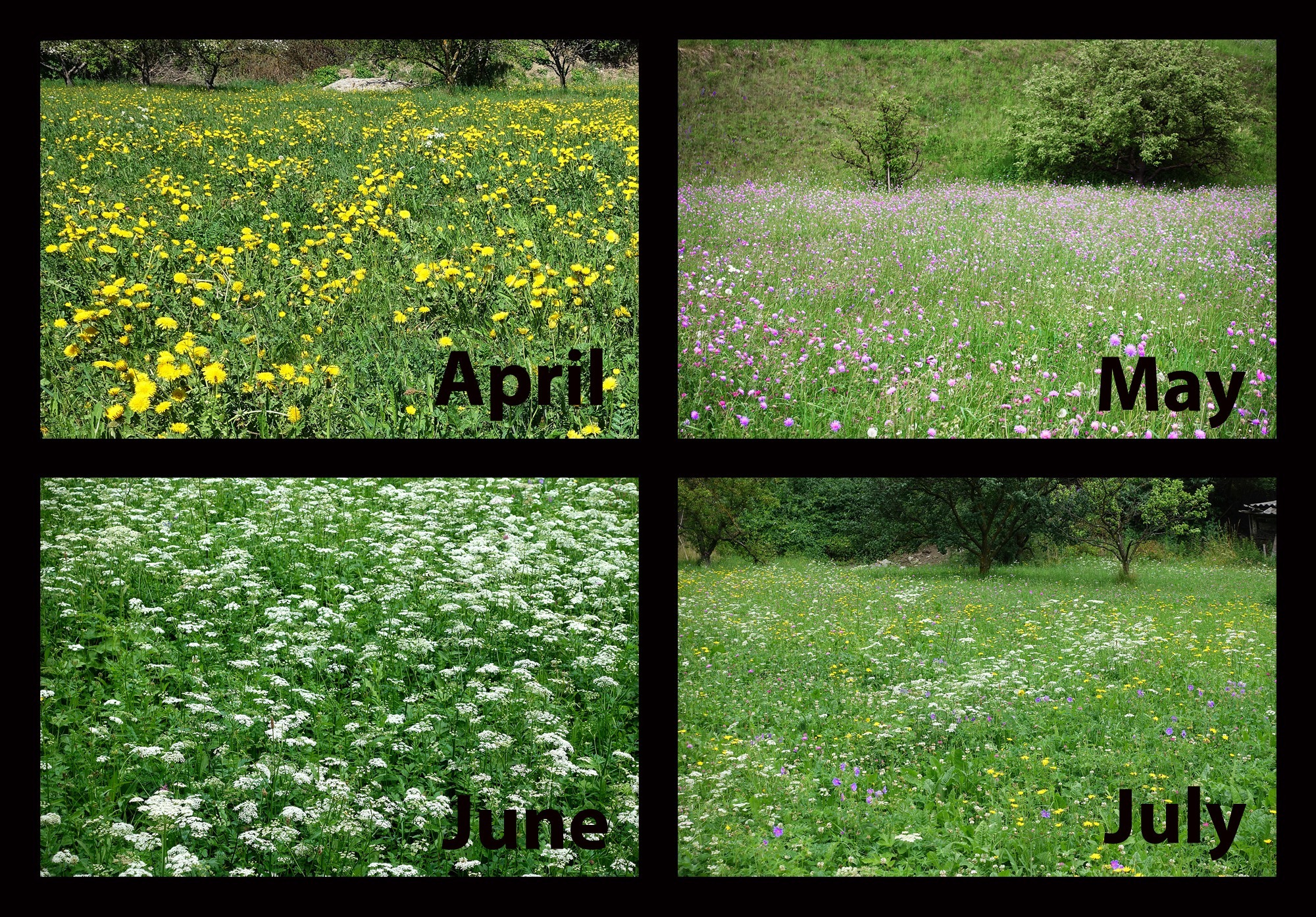
when months were loyal to the expected,
when they stayed more or less within their lanes,
December not copping the joys of July, for instance,
when seasons honored tradition and did not
insist on mukluks in June or ban January snow,
time (though always mercurial) made sense,
or at least we’d trimmed its arrogant sails
whose masts and spars, like antennae,
we trained to troll timesea for wind steady enough
to give clear chronometric reception —something to rely upon.
But time has always ebbed and flowed like tides, it fell
and rose random as waves, so we concocted clocks
to lock time’s fundamental pace, the regularity of its sine.
But time is simultaneously as un-pin-downable
as background noise, a universally evasive
static in the mind
.
Jim Culleny
7/4/20

 By 2025, protective living communities (PLCs) had started to form. The earliest PLCs, such as New Promise and New New Babylon, based themselves on rationalist doctrines: decisions informed by best available science, and either utilitarian ethics or Rawlsian principles of justice (principally, respect for individual autonomy and a concern to improve the lives of those most disadvantaged). Membership in these communities was exclusive and tightly guarded, and they had the advantage of the relatively higher levels of wealth controlled by their members.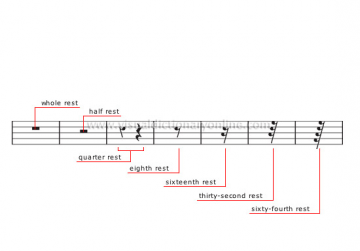


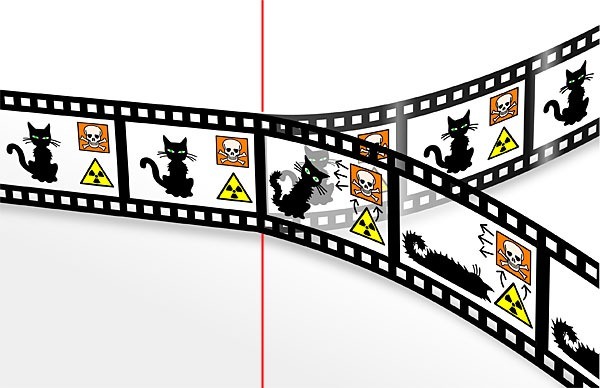


 It’s a bountiful feast for discriminating worriers like myself. Every day brings a tantalizing re-ordering of fears and dangers; the mutation of reliable sources of doom, the emergence of new wild-card contenders. Like an improbably long-lived heroin addict, the solution is not to stop. That’s no longer an option, if it ever was. It is, instead, to master and manage my obsessive consumption of hope-crushing information. I must become the Keith Richards of apocalyptic depression, perfecting the method and the dose.
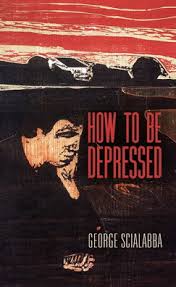 Because I have a lot of experience with depression, I approached George Scialabba’s How to Be Depressed with an almost professional curiosity. Scialabba takes a creative approach to the depression memoir, blending personal essay, interview, and his own medical records, specifically, a selection of notes written by various therapists and psychiatrists who treated him for depression between 1970 and 2016. I don’t know if I could bear to see the records kept by those who have treated me for depression, assuming they still exist, and I wasn’t sure what it would be like to read another person’s medical history.
 Some people claim that the prominent display of statues to controversial events or people, such as confederate generals in the southern United States, merely memorialises historical facts that unfortunately make some people uncomfortable. This is false. Firstly, such statues have nothing to do with history or facts and everything to do with projecting an illiberal political domination into the future. Secondly, upsetting a certain group of people is not an accident but exactly what they are supposed to do.
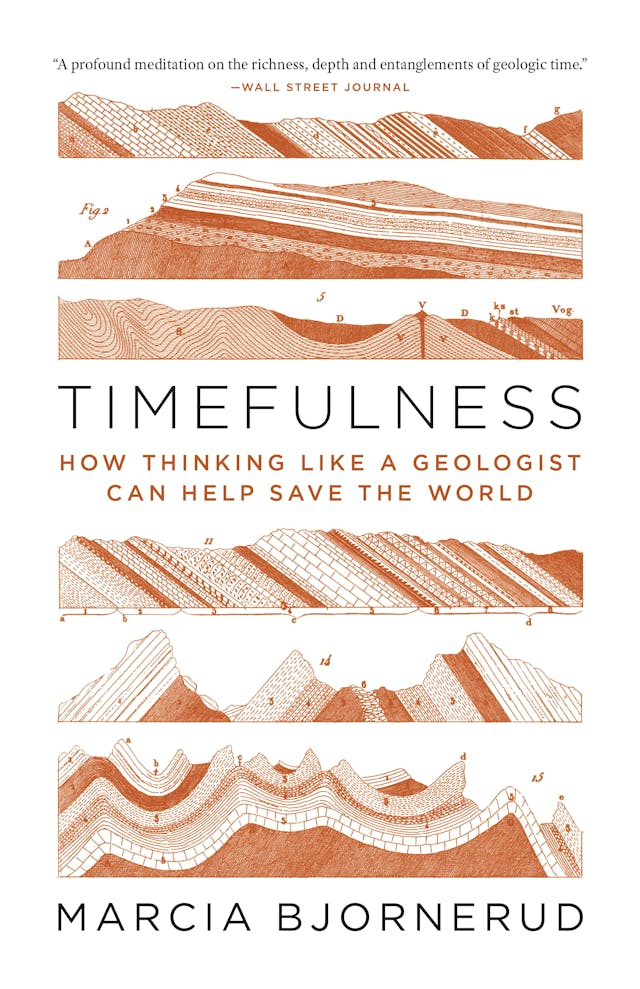 by Paul Braterman
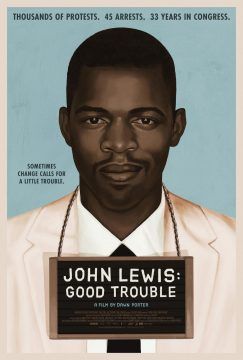 John Lewis: Good Trouble