
by Callum Watts

I worry. Asking someone out, speaking in public, stepping onto a flight, for me these mundane moments percolate with anxiety. These are personal fears, inner battles of no real relevance to the wider world and disconnected from any broader social meaning. Over the past couple of years though, I have had two experiences of fear that were both personal and political. I was caught in a terrorist attack and was struck down with covid-19 during the global pandemic. In each case the fear of death echoed bone deep within me, and in each case that fear reverberated through the body politic and society. What interests me is the political aims for which that fear can be harnessed and the authenticity of the use of that fear. I don’t believe that we should be stoking fear for political ends, but we cannot escape the fact that our fears are already in the political arena, and so we must learn to live with them.
Picture a warm summer night in London’s bustling Borough Market. I’m enjoying one of those endless evenings of conversation, eating and drinking with my family. My sister has just left early to meet some friends, when all of a sudden running, scuffling and shouting can be heard. It’s difficult to explain why, but a certain franticness in the movement and a strident tone to the shouts make my blood run cold. My whole body freezes and a tension forms in my chest, like a knot being pulled tight. Then as screams and shouts mingle with gun fire and things smashing, the knot dissolves as adrenaline courses through me. I’m alert, focussed, prepared to take control and spring into action. Months later, that initial stab of fear would still occasionally manifeste and get my adrenaline pumping. This could be triggered by being in a public space or on public transport, a loud noise, or by the memory of someone bleeding out on the floor. These fears were mine, yet they quickly became absorbed into a wider debate. Read more »

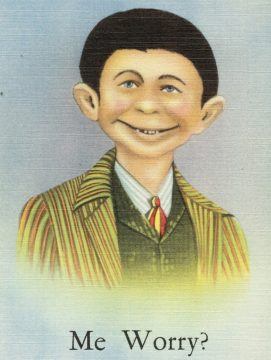 It’s a bountiful feast for discriminating worriers like myself. Every day brings a tantalizing re-ordering of fears and dangers; the mutation of reliable sources of doom, the emergence of new wild-card contenders. Like an improbably long-lived heroin addict, the solution is not to stop. That’s no longer an option, if it ever was. It is, instead, to master and manage my obsessive consumption of hope-crushing information. I must become the Keith Richards of apocalyptic depression, perfecting the method and the dose.
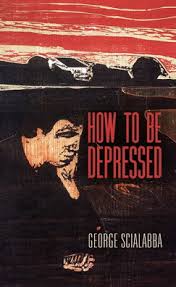 Because I have a lot of experience with depression, I approached George Scialabba’s How to Be Depressed with an almost professional curiosity. Scialabba takes a creative approach to the depression memoir, blending personal essay, interview, and his own medical records, specifically, a selection of notes written by various therapists and psychiatrists who treated him for depression between 1970 and 2016. I don’t know if I could bear to see the records kept by those who have treated me for depression, assuming they still exist, and I wasn’t sure what it would be like to read another person’s medical history.
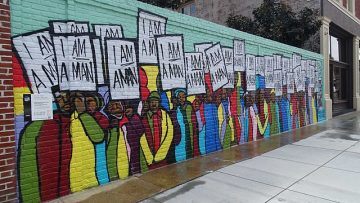
 Some people claim that the prominent display of statues to controversial events or people, such as confederate generals in the southern United States, merely memorialises historical facts that unfortunately make some people uncomfortable. This is false. Firstly, such statues have nothing to do with history or facts and everything to do with projecting an illiberal political domination into the future. Secondly, upsetting a certain group of people is not an accident but exactly what they are supposed to do.
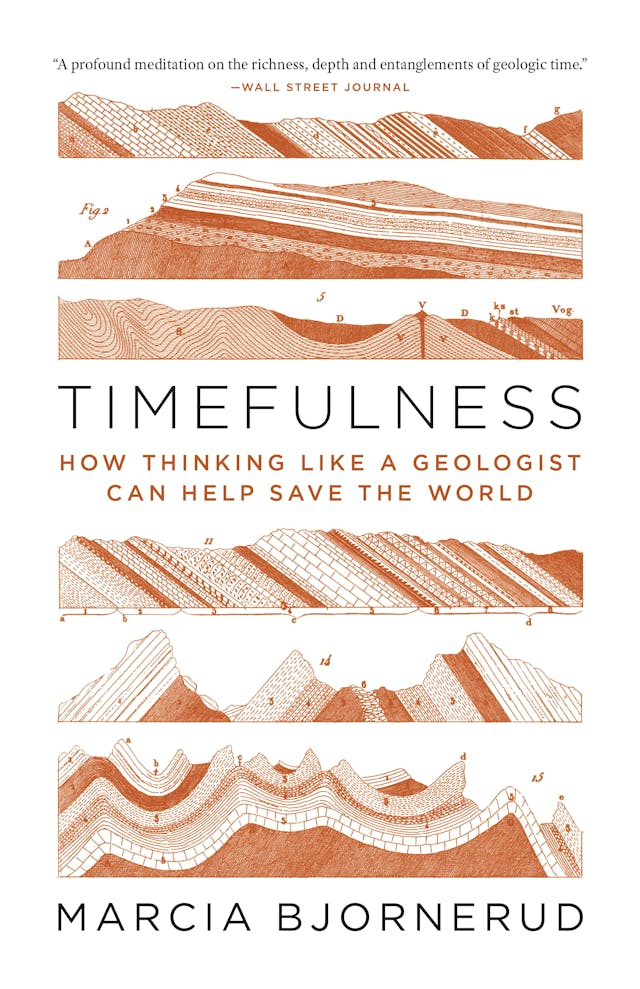 by Paul Braterman
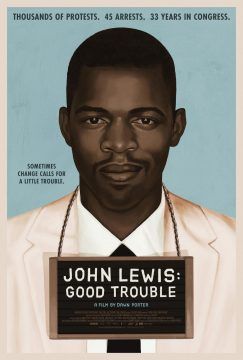 John Lewis: Good Trouble


 The coronavirus pandemic has massively disrupted the working lives of millions of people. For those who have lost their jobs, income, or work-related benefits, this can mean serious hardship and anxiety. For others, it has meant getting used to new routines and methods of working. For all of us, though, it should prompt reflection on how we think about work in general–both as a curse and as a blessing. Here, I want to focus on how work relates to time.