
Fintan O’Toole in Prospect Magazine:
The most 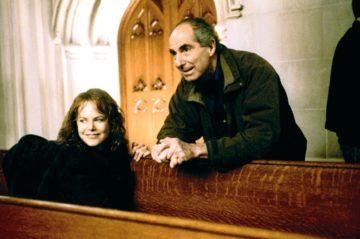 most gut-wrenching exploration of what it feels like to be cancelled is in a novel written long before that term had become a weapon in the culture wars. In Philip Roth’s The Human Stain, published in 2000, Coleman Silk, a professor and former dean at the fictional Athena College, is teaching a seminar with 14 students.
By the sixth week, two of them have yet to appear. Silk opens the class by asking “Does anyone know these people? Do they exist or are they spooks?” He is using the word as a synonym for ghosts. But it also has a long history as a term of abuse for African-Americans. He does not know that the two students he has never seen are both black. This does not matter. Silk is branded a racist. (In a twist, he is later revealed to be African-American but passing as Jewish.) He endures a two-year purgatory of accusations and investigations. None of his colleagues have the courage to defend him. He resigns in disgrace. His life unravels.
Roth’s initial scenario seems absurd, but it actually happened. In 1985, the Princeton sociologist Mel Tumin—ironically a greatly respected expert on race relations—uttered exactly those words in precisely the same context. Tumin—a friend of Roth’s—was accused of hate speech and placed under investigation by the university’s authorities.
More here.
 A year ago Bitcoin and other cryptocurrencies were selling at record prices, with a combined market value of around
 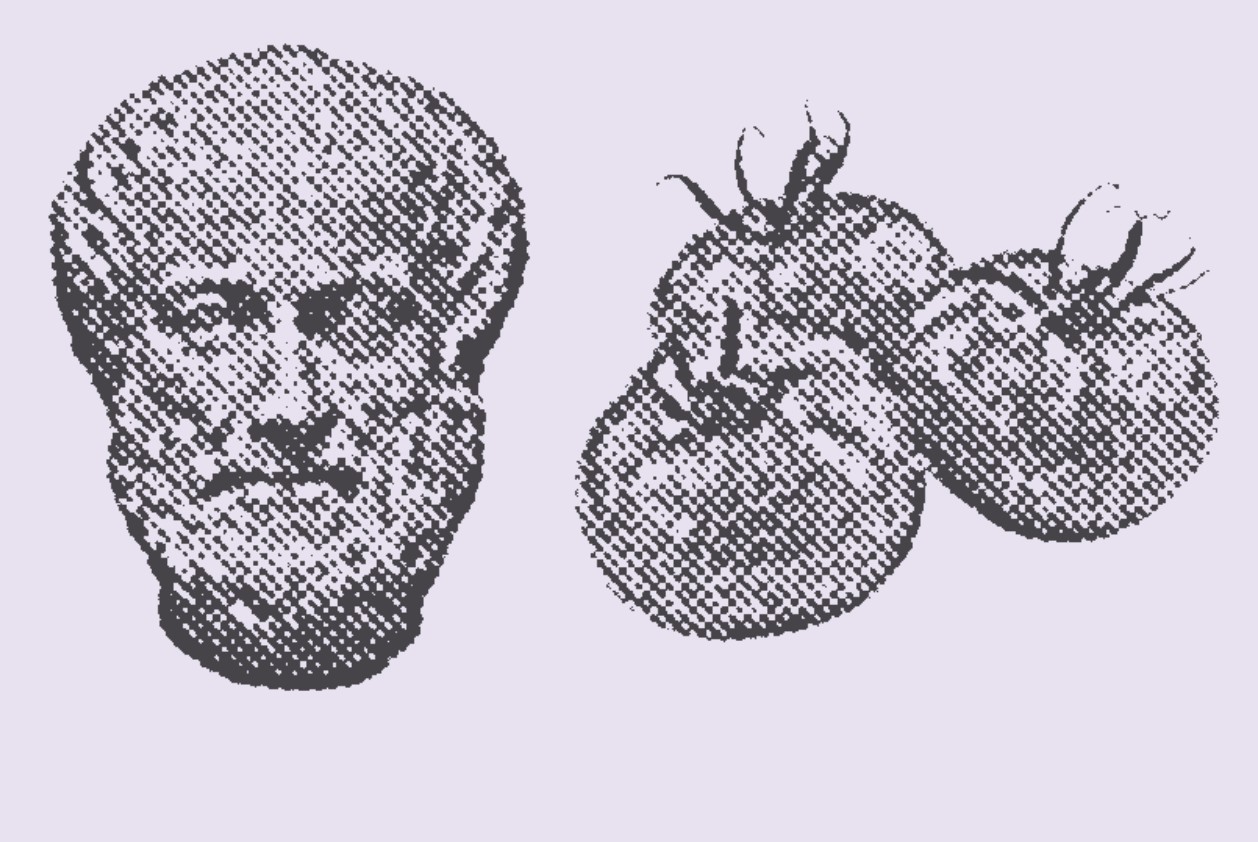 When Aristotle sniffed an apple, he smelled it. When he bit into the apple and the flesh touched his tongue, he tasted it. But he overlooked something that caused 2,000 years of confusion.
 The Saudi prince was detained all night. As daylight broke, he staggered out of the king’s palace in Mecca. His personal bodyguards, who tailed him everywhere, were missing. The prince was led to a waiting car. He was free to leave – but he would soon discover that freedom was not very different from detention.
 “I am sick to death of cleverness,” wrote the very clever Oscar Wilde in The Importance of Being Earnest. “Everybody is so clever nowadays…. The thing has become an absolute public nuisance.” The philosopher Ludwig Wittgenstein was tormented by the thought that he was “merely clever” and criticized himself and others for valuing cleverness over genuine wisdom. Søren Kierkegaard, who placed a genuinely religious life before a merely aesthetic one, wrote that “the law for the religious is to act in opposition to cleverness.”
 Janet Afary and Kevin B. Anderson in Dissent:
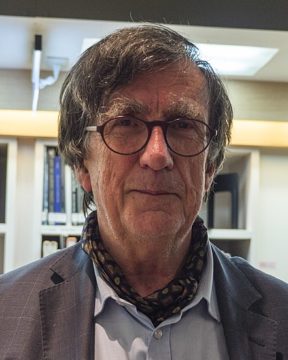 Bruno Latour in Green:
 Kate Mackenzie, Lee Harris, and Tim Sahay in The Polycrisis at Phenomenal World:
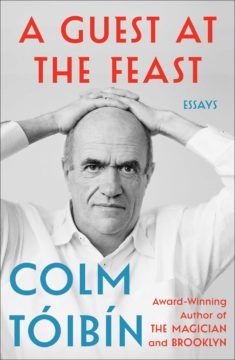 It’s all very meticulous, even his horror, which is considerable when it comes to the way the bishops covered up for their paedophile priests. On every subject, Tóibín’s writing is what people these days inevitably describe as nuanced, a word that has become a kind of shorthand for expressing a person’s rare ability to understand – or to try to understand – the foibles of others (how sad that this should be thought unusual). But he can be gripping, too. This country that censored the hell out of people’s hearts is so much his territory. If the speed with which the power of the church in Ireland has been undermined is still astonishing, it’s nevertheless important to consider the hold it may continue to have over those citizens – Tóibín is one – who remember when its authority was ironclad. In the end, this is a book of shadows: tumours in testicles, fog in Venice, expensively clad cardinals who may be up to no good.
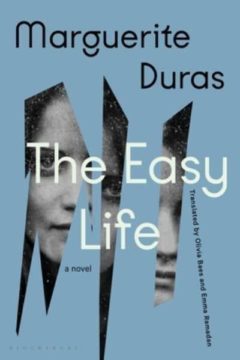 Remember boredom? The first English translation of the French writer
  S
S It was late in 1972 — a year in which the science of genetic engineering really began to sizzle — that two California researchers announced the unusually tidy transfer of genetic information from one bacterium to another with help from a specialized enzyme. It was a scientifically heralded result, but behind the hoopla was just one small catch. The information transferred enabled a common human disease bacterium, E. coli, to resist not just one antibiotic, but two. “Alarm bells should have rung,” writes Matthew Cobb, in his deeply researched and often deeply troubling history of gene science. And that nothing did ring — that scientific success trumped the obvious risks of the work — becomes the focus of his book’s primary inquiry: whether a research community capable of altering life is also capable of putting ethical decisions first.
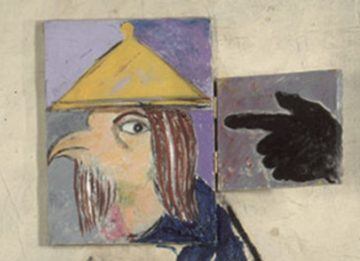 Missing persons cases are seldom about finding someone. Too often, people who have disappeared are not missing at all. They are either hiding or long dead, possibly victims of murders waiting to be solved. Such cases, in short, are best to avoid. But when I heard that there had been recent sightings of the long-lost Wandering Jew, I knew I had to investigate.