
Jessa Crispin in the Boston Review:
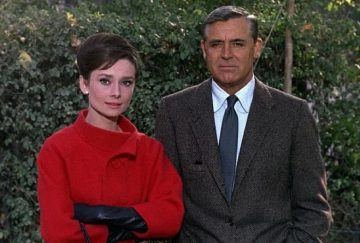 The older man coupled with the younger woman is Hollywood tradition, from a young Audrey Hepburn pursued by Cary Grant (Charade), Fred Astaire (Funny Face), or Humphrey Bogart (Sabrina) (all of the men looking overripe and easily bruised at the time of filming), to Catherine Zeta-Jones writhing in front of Sean Connery in Entrapment, or marrying her real life partner Michael Douglas, twenty-five years her elder. This age gap coupling is also a reality; around 30 percent of American heterosexual marriages consist of men at least four years older than their partners.
Yet conversations around film—from the unfairness of the way women “age out” of roles, disappearing from our screens once they hit middle age, to the new belief that film should provide moral instruction and depict life as it should be rather than how it is—have problematized the age gap in heterosexual couples. Owing to this new taboo, both real couples and fictional couples that display these age gaps are roundly lambasted on social media.
More here.
 Riding through the northern Chilean Andes, an incredibly rugged swath of desert that I’m sure in times gone by has tried men’s souls —- no one would ever suspect they were about to enter a prime ground-based window onto the Universe. It’s hardly the kind of landscape that evokes oohs and aahs for its beauty. But this dust-ridden land is home to some of the world’s greatest observatories. And by night, it offers an aperture onto the center of our own Milky Way and far-flung galaxies that literally stretch back to the beginning of time.
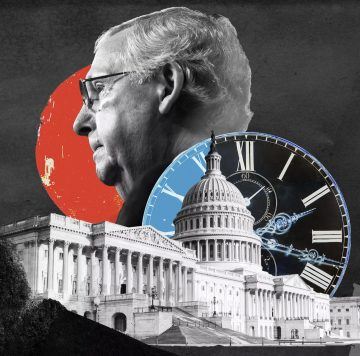 If Joe Biden wins the White House, and Democrats take back the Senate, there is one decision that will loom over every other. It is a question that dominated no debates and received only glancing discussion across the campaign, and yet it is the master choice that will either unlock their agenda or ensure they fail to deliver on their promises.
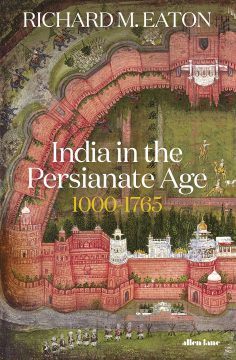 India’s golden age as the centre of the Indophilic Sanskrit cosmopolis lasted an entire millennium. From 1200 onwards, however, it was India’s fate to be drawn into a second transregional world. The first Islamic conquests of India happened in the 11th century, with the capture of Lahore in 1021. Persianised Turks, from what is now central Afghanistan, seized Delhi from its Hindu rulers in 1192. By 1323, they had established a sultanate as far south as Madurai, towards the tip of the peninsula, and other sultanates were founded all the way from Gujarat in the west to Bengal in the east.
 The world might be a different place if American Presidents had not been felled by disease or hidden debilitating conditions. In February, 1945, just two months before his death, President
  Most scientists say that Earth-life probably did originate on Earth. The standard thinking goes that somehow the conditions were ideal for just the right minerals to come together in a series of chemical reactions that yielded self-replicating molecules, that is, early life. But the particulars of that scenario have been tricky to pin down, leaving room for other possibilities. The concept of panspermia was kicked off, in part, by the humongous eruption of a volcano on the island of Krakatoa in 1883, says Dr. Melosh. The eruption completely sterilized the island, but just months later, life began to flourish anew. Naturalists explained that the miraculous regeneration came from seeds and insects floating on the winds or the tides from nearby islands, and that got some scientists thinking about the cosmos. Perhaps early Earth was like a barren island, too, they speculated, and the seeds of life or life itself drifted around space and alighted on our planet at just the right moment.
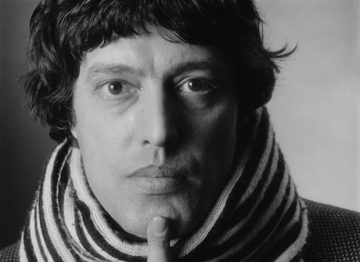 How our experience in the theatre during one of his plays relates to our lives outside is a question that has nagged at discussions of Stoppard’s standing as a writer. His kind of quantum dramatics messes with our minds and our understanding of time and we love it, but when we get home we still have to set the alarm for work the next day. Does this mean that his plays are little more than a diverting display of verbal fireworks, clever but of no significance, or are deeper themes about our experience of life being addressed? At the very least, his work reveals a constant endeavour to decipher the puzzles of existence. As Hannah, a character in one of his best-loved plays,
  Thirty years ago, the philosopher Judith Butler*, now 64, published a book that revolutionised popular attitudes on gender.
 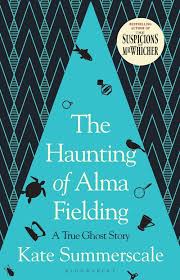 In 1938, Alma Fielding, a 34-year-old housewife from the south London suburb of Thornton Heath, apparently became possessed by a violent spirit. It started one evening when Alma was in bed afflicted by kidney pain while her builder husband, Les, was suffering from tooth problems next to her. After seeing a six-finger handprint appear on the mirror, the couple were attacked by a flying eiderdown, felt a dank wind blowing and saw a glass spontaneously shatter. In the weeks and months that followed, the Fieldings, their teenage son, Don, and their lodger, George, were terrorised by what seemed wildly malevolent paranormal forces. Sunday Pictorial reporters sent to investigate were met with flying eggs, teacups breaking in midair and a brass fender thumping down a staircase.
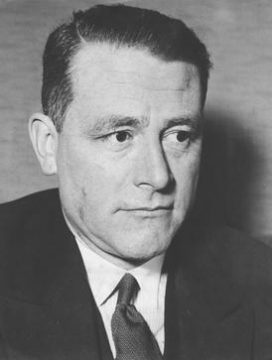 Jackson T. Reinhardt in Inquiries Journal:

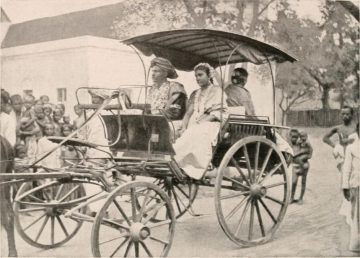 Shuvatri Dasgupta over at the blog of the Journal of the History of Ideas:
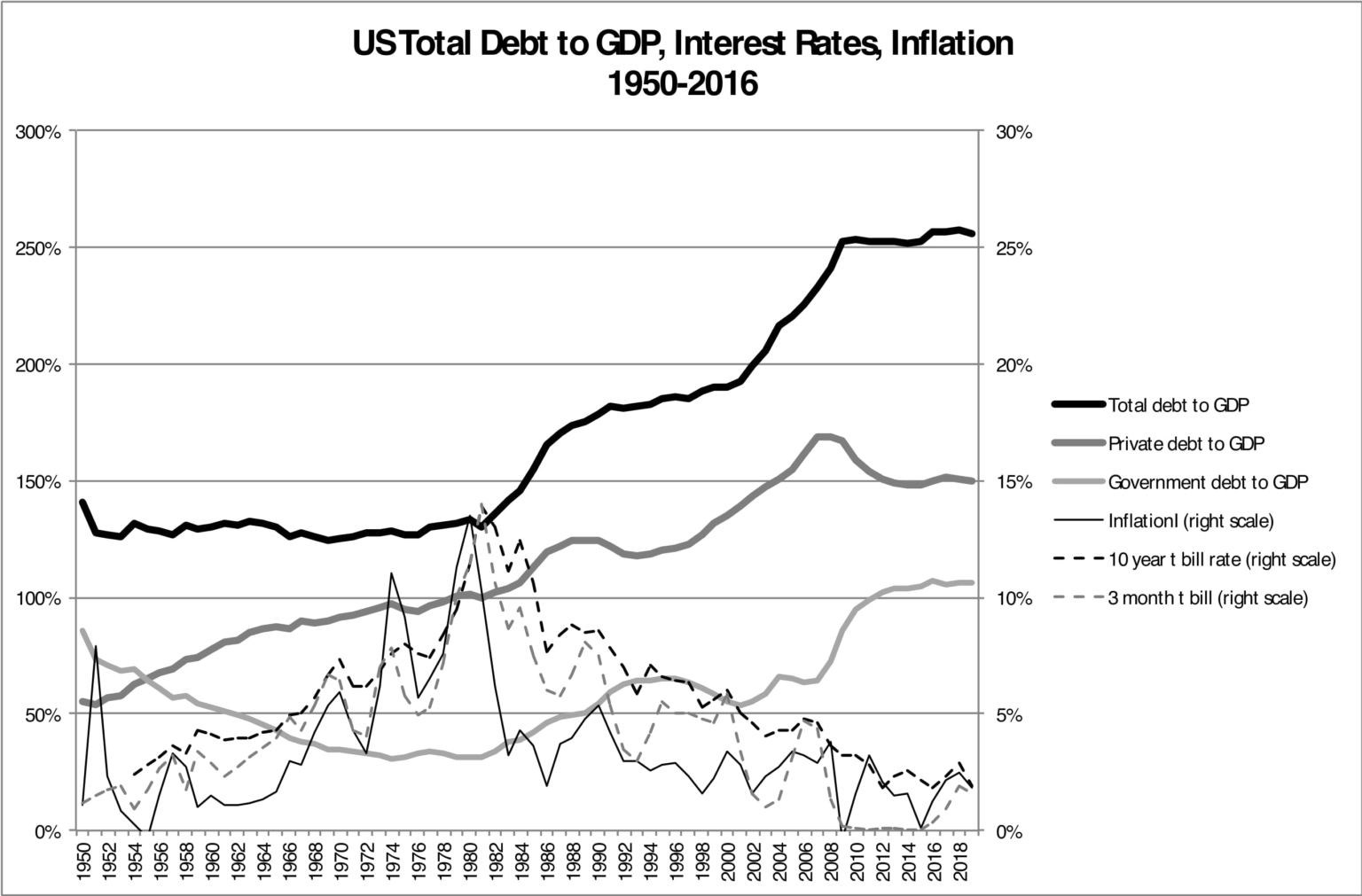
 Branko Milanovic in Global Policy:
 A veil of solemnity descends upon the land at times like this, when elected officials or public figures get sick or die. We wish them speedy recovery, or extend sympathies, as we should. We ignore their faults and failings, as we would want our own ignored. These are the norms of politics and public life. Established norms, like behaving with dignity and self-restraint in a presidential debate, or condemning racist terrorists and murderers. For the record, we should all wish Donald and Melania Trump a full and speedy recovery. But that does not answer the fundamental question this president will leave behind when he leaves office. What norms survive a man who takes pleasure in destroying norms?