Chris Bohn is the editor of London-based monthly music magazine The Wire. Subtitled “Adventures in Modern Music”, the magazine has covered the alternative, the underground, the experimental, the avant-garde and the generally non-mainstream since 1982, featuring a span of artists from Ornette Coleman to Björk to David Sylvian to Jim O’Rourke to field recordists like Lee Patterson to emerging Chinese sounds artists like Yun Jun. The magazine is also well known as a rarity in its industry for both its profitability and its loyal, growing readership. Colin Marshall originally conducted this conversation on the public radio program and podcast The Marketplace of Ideas. [MP3] [iTunes link]
I was reading a slightly older profile of the magazine in the Telegraph. It had a quote from you saying that The Wire is best thought of as a magazine that does not cover certain types of music rather than a magazine that does cover certain types. So I'll put the question to you: what does The Wire not cover?
The stuff you could consider heavily featured in the mainstream media. Obviously there's some crossover with the mainstream media and the underground, noncommercial media, but generally we have no interest in covering stuff you just see on — if you go to a newsstand any see a range of magazines, be it music, culture, fashion, whatever, you see certain names cropping up over and over again. We just have absolutely no interest in being part of that interchangeability of faces, names, et cetera, et cetera. We'd rather focus on the music that interests us, and that most frequently is “non-mainstream” music, “underground” music, whatever that means.
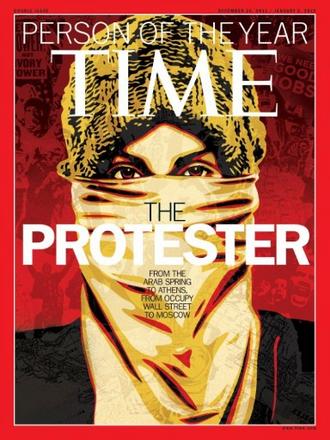
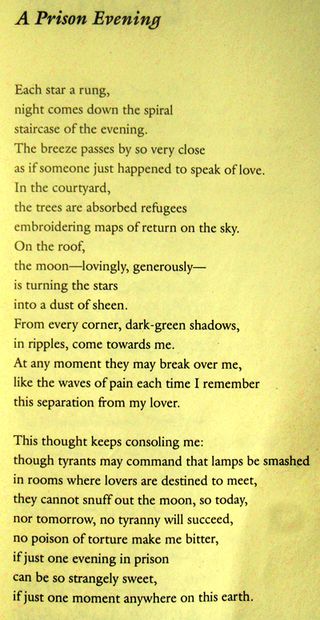
That's kind of a very slippery word, you might say, because “underground” in a political sense is a whole lot different from “underground” in a Western sense. In London or, I should imagine, where you come from, almost anything goes. You can do anything without consequences. But last November I was in Leipzig for a festival of underground culture from the German Democratic Republic period, the communist period in East Germany that obtained between '48 and 1989 before the wall came down. Then, underground culture had a totally different meaning. It's a salutary reminder to know that sometimes music is as serious as your life, and you can end up in jail for playing it. That's not often he case here. Every so often I have to take one step back from the word “underground” and remind myself that it can be a far different thing to what perceive.
Read more »