by James McGirk
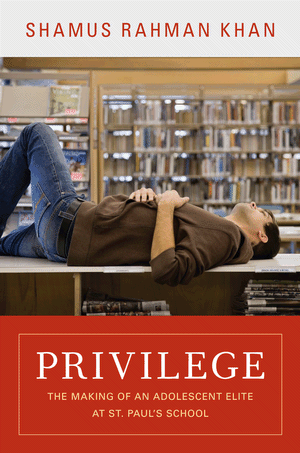
Sociologist Shamus Rahman Khan has a convincing explanation for how they do it. For his new book, “Privilege: The Making of an Adolescent Elite at St Paul's School”, he spent a year doing ethnographic research, living among students as a tutor and conducting interviews at the exclusive boarding school in New Hampshire. “Elite schools exclude,” says Mr Khan “but today they frame themselves as doing so on the basis of talent.” Not necessarily money or good breeding, as many assume.
What defines talent is actually an arbitrary thing. When these students apply to university there is little to distinguish top applicants from one another, yet all want the academic boons such as research opportunities, close relationships with professors necessary for a postgraduate education, or the fast-track to elite employers. Attaining the highest board scores and grade point averages is no guarantee of admission, so decisions are instead made on the basis of narrative. A successful applicant must recommend him or herself through extracurricular achievement and other, squishier categories such as character and public service. All the more reason to be groomed at an elite secondary school that can foster students’ hobbies on top of their academic studies.