by Bill Murray
 Polynesia could swallow up the entire north Atlantic Ocean. It’s that big.
Only half of one per cent of Polynesia is land, and 92 per cent of that is New Zealand. Then there’s Tonga and Samoa, the Cook and Hawaiian islands, the French possessions, and back in its own lonely corner, Rapa Nui, the famous Easter Island. Four and a half hours flying time to South America and six hours to Tahiti, Rapa Nui is a mote, a tiny place that feels tiny, forlorn, a footnote.
How in the world did proto-Polynesians cast their civilization from Papua New Guinea all the way to Rapa Nui in canoes, with thousand year old tech, sailing against prevailing winds and all odds?
If you think about it at all, you might suppose Rapa Nui was an accidental discovery, storm-damaged canoes drifting off course, perhaps, or voyages of exile dashed upon obscure rocks. Who imagines resolute, purposeful voyages of discovery on stone-age ships no match for the vastness of the sea?
I do. I fancy single-minded voyages of exploration carried out by well-provisioned scouts sailing with, say, a month’s food, who set out in the more difficult direction, “close to the wind.” If no land were found in a fortnight, when half the food was gone, they could sail home downwind, faster. Read more »
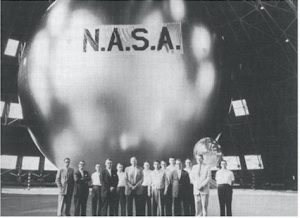 spanning George Boole to Claude Shannon. By some measures the works of these men combine to give us our modern, programmable computer.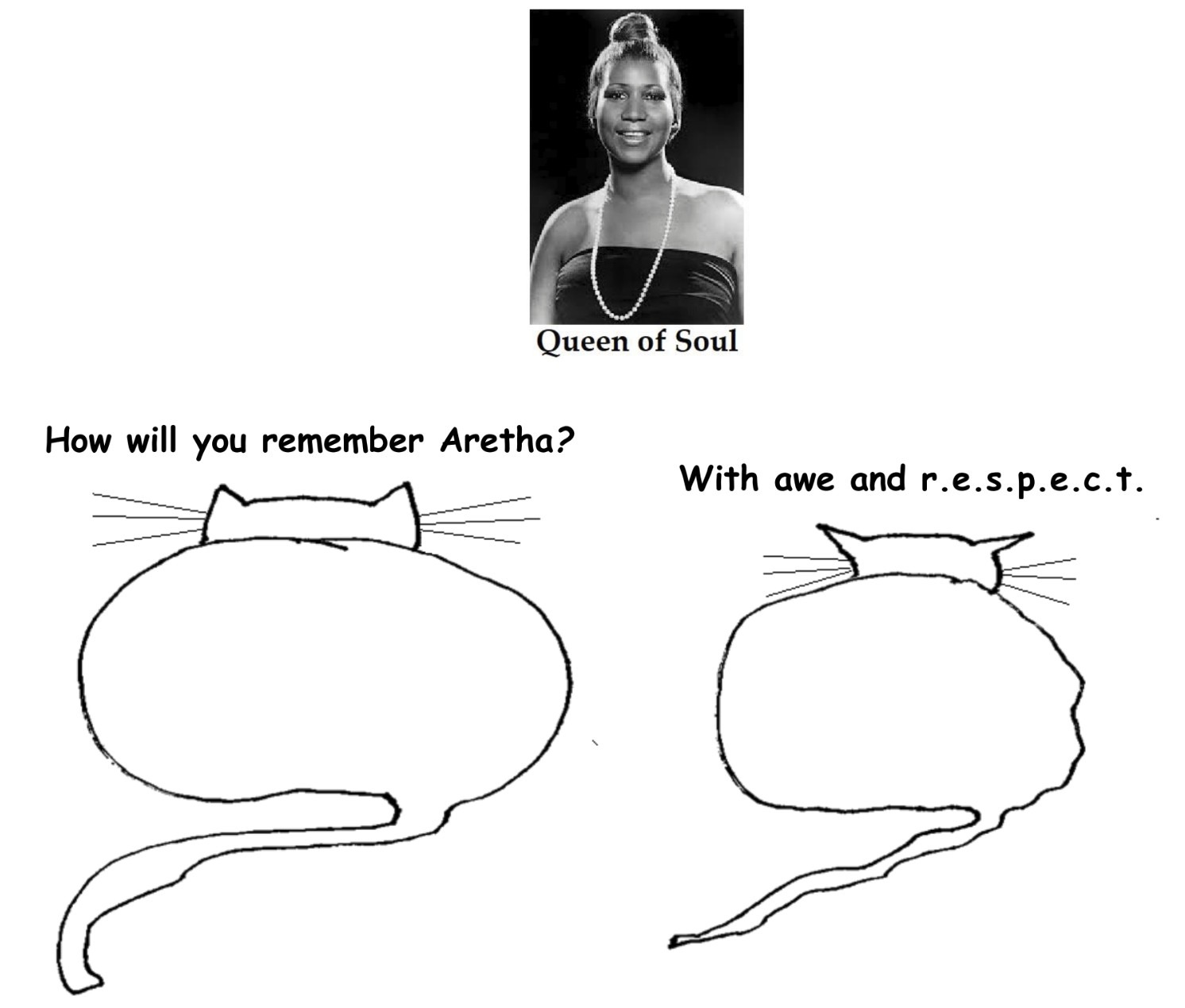
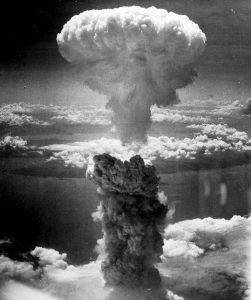 Will you know what to do when the atomic bomb drops?

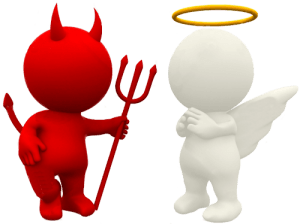 Even as we want to do the right thing, we may wonder if there is “really” a right thing to do. Through most of the twentieth-century most Anglo-American philosophers were some sort of subjectivist or other. Since they focused on language, the way that they tended to put it was something like this. Ethical statements look like straight-forward propositions that might be true or false, but in fact they are simply expressions or descriptions of our emotions or preferences. J.L. Mackie’s “error-theory” version, for example, implied that when I say ‘Donald Trump is a horrible person’ what I really mean is ‘I don’t like Donald Trump’. If we really believed that claims about what is right or wrong, good or bad, or just or unjust, were just subjective expressions of our own idiosyncratic emotions and desires, then our shared public discourse, and our shared public life, obviously, would look very different. One of Nietzsche’s “terrible truths” is that most of our thinking about right and wrong is just a hangover from Christianity that will eventually dissipate. We are like the cartoon character who has gone over a cliff but is not yet falling only because we haven’t looked down. Yet.
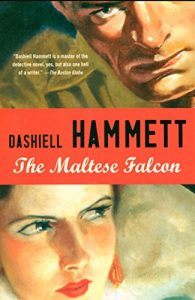 Our first act of communication is to look in each other’s eyes, or not to. Many descriptors center subtly on the gaze: I might be shifty if I’m looking away from you too often and too purposefully, diffident if I cast downward when I ought to be looking you in the eyes, or unsettling if I never stop looking at you.


 In the science fiction short story “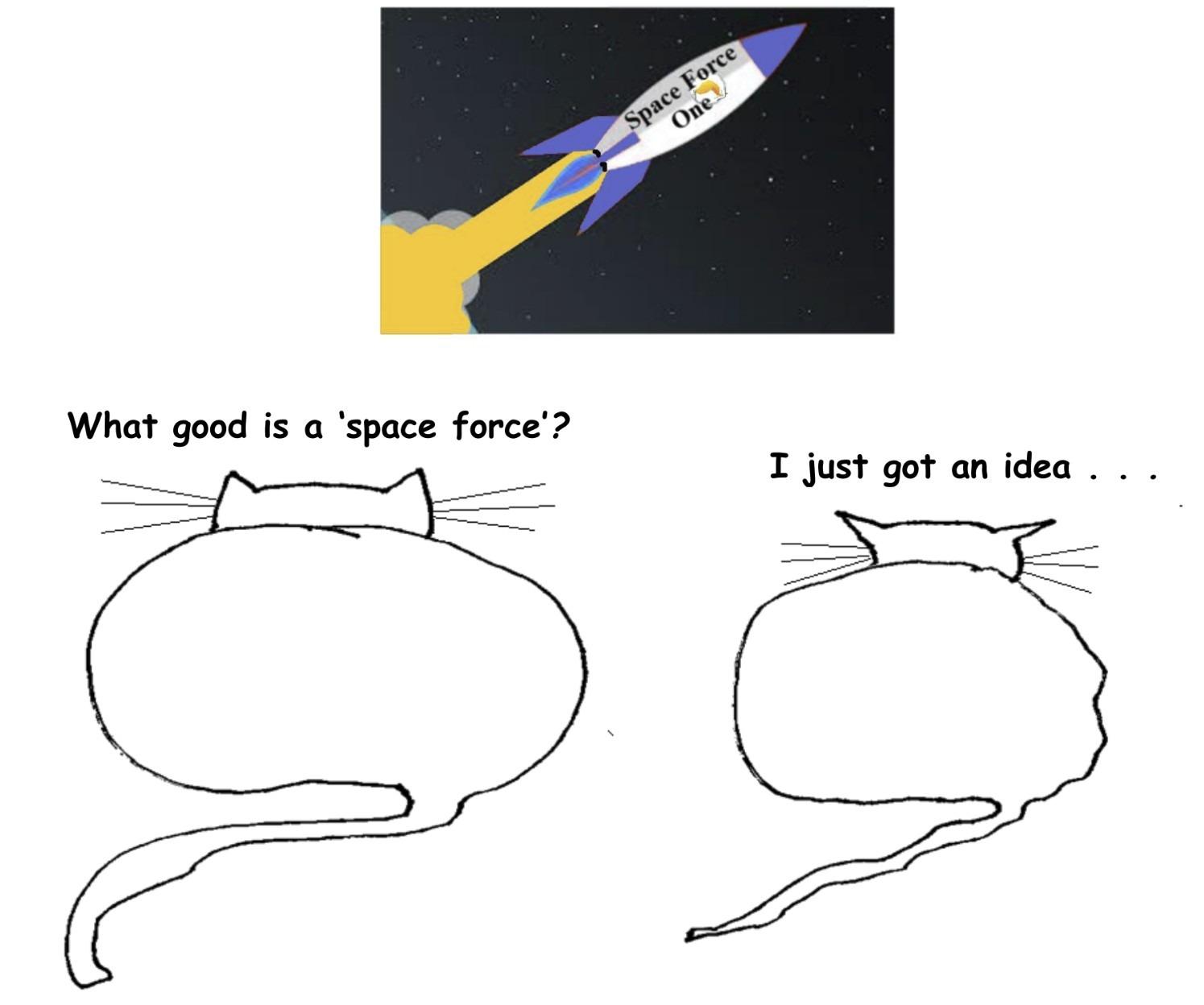
 The major “National-Socialist Underground” trial
  The ill-defined term ‘populism’ is used in different senses not just by common people or the media, but even among social scientists. Economists usually interpret it as short-termism at the expense of the long-term health of the economy. They usually refer to it in describing macro-economic profligacy, leading to galloping budget deficits in pandering to all kinds of pressure groups for larger government spending and to the consequent inflation—examples abound in the recent history of Latin America (currently in virulent display in Venezuela). Political scientists, on the other hand, refer to the term in the context of a certain widespread distrust in the institutions of representative democracy, when people look for a strong leader who can directly embody the ‘popular will’ and cut through the tardy processes of the rule of law and encumbrances like basic human rights or minority rights. Even though I am an economist, in this article I shall mainly confine myself to the latter use of the term.
 When Mrs. William Shakespeare died on this August day in 1623, her family and friends believed they would lay her to eternal rest beside her renowned husband. They did not. They did inter an ordinary wife and mother, but the memory of her went out to become a Frankenstein monster, cut up and reassembled down the centuries. Few of the many makeovers done to Anne Hathaway Shakespeare since her passing have been flattering.