by Nickolas Calabrese
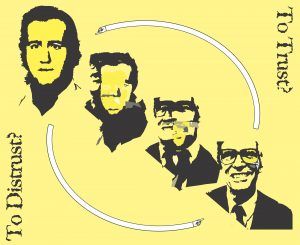
Recently the person whom I had been in a serious cohabiting relationship with for the past few years disappeared. Not in the Unsolved Mysteries kind of way, but in the “I just ghosted you because I can’t deal with breaking up with you in person” kind of way. She was spending a month working at an artisan’s residency in Seattle, when, one week in, she suddenly stopped responding to any correspondence. After a few weeks I finally spoke on the phone with R and she said that she simply had a change of heart and was now going to be living with her sister, shortly afterward arranging to have her belongings packed and moved by professionals. I didn’t see this coming – R never let on that anything was amiss, going so far as to mailing me a letter during that first week at the residency declaring her love and desire for marriage, kids, the whole nine yards. We rarely had arguments, everything was good. She had simply changed her mind. I was surprised.
Now I’m sure this sort of thing happens all the time. And it’s reasonable that she wanted something else out of life, something that I could not offer. But allow me to ruminate on this surprise for a moment. I was surprised because I had assigned my highest subjective commitment of trust to her, beyond anybody else. After all, you place trust in someone that you deem trustworthy. Trustworthiness is not an inherent quality to any given person, it is an evaluation that you yourself make about the apparent reasons for why you ought to trust another. But it is not without risk: whenever you choose to trust someone you take a gamble on whether or not your trust will be broken, which can result in being hurt emotionally or otherwise. Read more »
 My
My 


 Every October there’s a huge book fair in my town, where used books donated by the community are put up for sale in a large hall at the fairgrounds. It’s no exaggeration to say that it’s a high point of my year.
 As the first African American president of the United States (US), Barack Obama is a uniquely historical personality. Each of us has our opinions, or will formulate opinions, as to the success or limitations of his eight years in office as a Democratic president from 2009-2017, and as to the person who is Obama. Helping us in the formulation of our views on Obama and his presidency, is Ben Rhodes book, The World As It Is: Inside the Obama White House.
 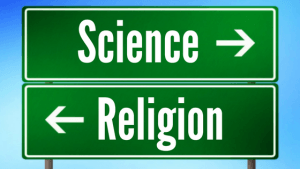 One of the most simple, elegant and powerful formulations of the conflict between science and religion is the following bit of reasoning. ‘Faith’ is belief in the absence of evidence; science demands that beliefs are always grounded in evidence. Therefore, the two are mutually exclusive. This is an oft-repeated argument by modern atheists, and it connects different aspects of what is usually called the ‘Conflict Thesis’: the idea that science and religion are opposed to each other not just now, but always and necessarily.
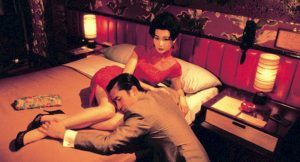 In the Mood for Love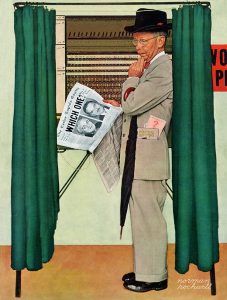
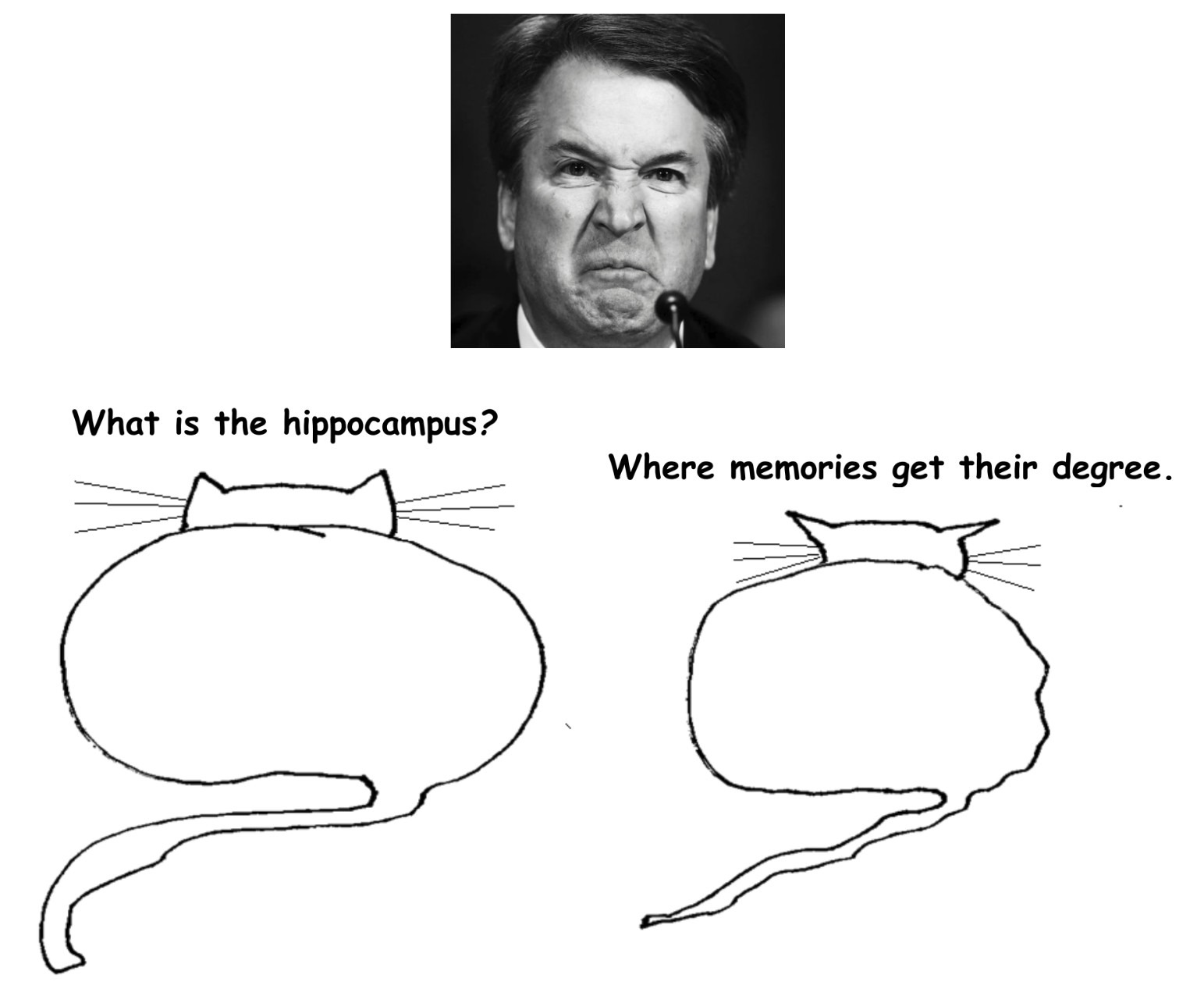

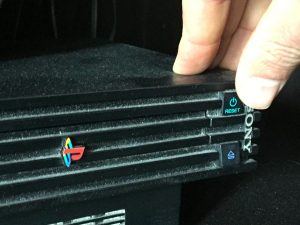 One of the things I love about sports is they’re a low-stakes environment in which to practice high-stakes skills. For most people, most of the time, the results of a sporting match don’t affect the long-term quality of their lives. This is what I mean by “low-stakes.” In the grand scheme and scope of our lives, the outcomes of games rarely matter. Which is what makes sports such a great place to practice skills that really can and do impact our lives for the better. This is what I mean by “high-stakes.”
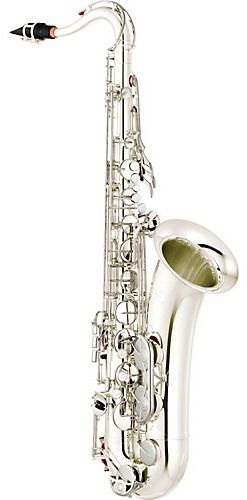 In the fall of 1970, I brought a Bundy tenor saxophone home from school. I was nine and in Mrs Farrar’s 5th grade class. To celebrate, my father slid an LP called “Soultrane”out of a blue and white cardboard jacket. The first sounds from the record player’s single speaker: a muscular folk song with rippling connective tissue that quickly spun free into endless cascades. Dad explained that it was my new horn, in the hands of John Coltrane. I didn’t know his name and nothing that day seemed possible, anyway.