by Emrys Westacott
 When I feel myself becoming irritable, disheartened, or just plain fed-up with life during the pandemic, I find it helpful to conduct a thought-experiment familiar to the ancient Stoics. I reflect on how much I have to be grateful for, and how things could be so much worse. That prompts the more general question: Who are the fortunate, and who are the unfortunate at this time?
Let’s consider the unfortunate first. These include:
- the dead, the dying, the seriously ill, and those who suffer the loss of family and friends;
- the desperate: undocumented immigrants without access to social services; refugees; migrants; and the already destitute;
- the endangered: people with pre-existing conditions that make covid 19 especially dangerous; those residing or working in nursing homes, hospitals, prisons, meatpacking factories, and other places where the contagion spreads easily;
- the fearful: this includes millions who face serious financial insecurity as their income suddenly no longer covers their expenses: workers who have lost their jobs or been furloughed; the self-employed whose revenues have dried up; business owners who no longer have sufficient customers;
- the domestically stressed: all those whose domestic situation is unhappy or unhealthy due to loneliness, incapacity, overcrowding, dysfunctional relationships, or just the lack of opportunities to relax, exercise, or experience a refreshing change of scene;
- the disappointed: students in schools and colleges whose whole experience, both educational and social, has been diminished; all those on career paths whose prospects appear suddenly blighted;
- the bored.
As for the fortunate, these include:
- those who avoid death, serious sickness, or the loss of loved ones;
- those who are relatively free from financial anxiety as their jobs or income from other sources are reasonably secure;
- those who are in satisfactory domestic circumstances, living with people they get along with, or at least able to communicate regularly with family and friends;
- those who are not bored.
It is the last category in each of these groups that I want to talk about. Read more »
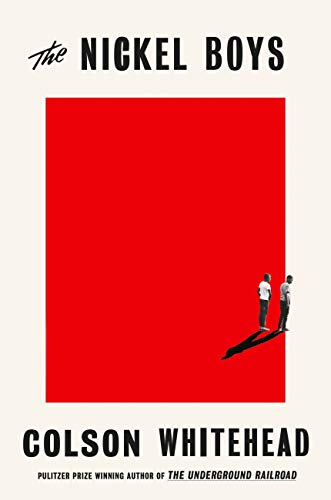 Colson Whitehead won his second Pulitzer Prize for The Nickel Boys in 2020, joining the ranks of three other writers recognized for the rare honor. His first was for another historical fiction The Underground Railroad in 2017. What are the odds of winning the Pulitzer for two books that deal with the same subject – the troubled race relations in America? Pretty good, I would say, if your second book is as brilliant as The Nickel Boys.
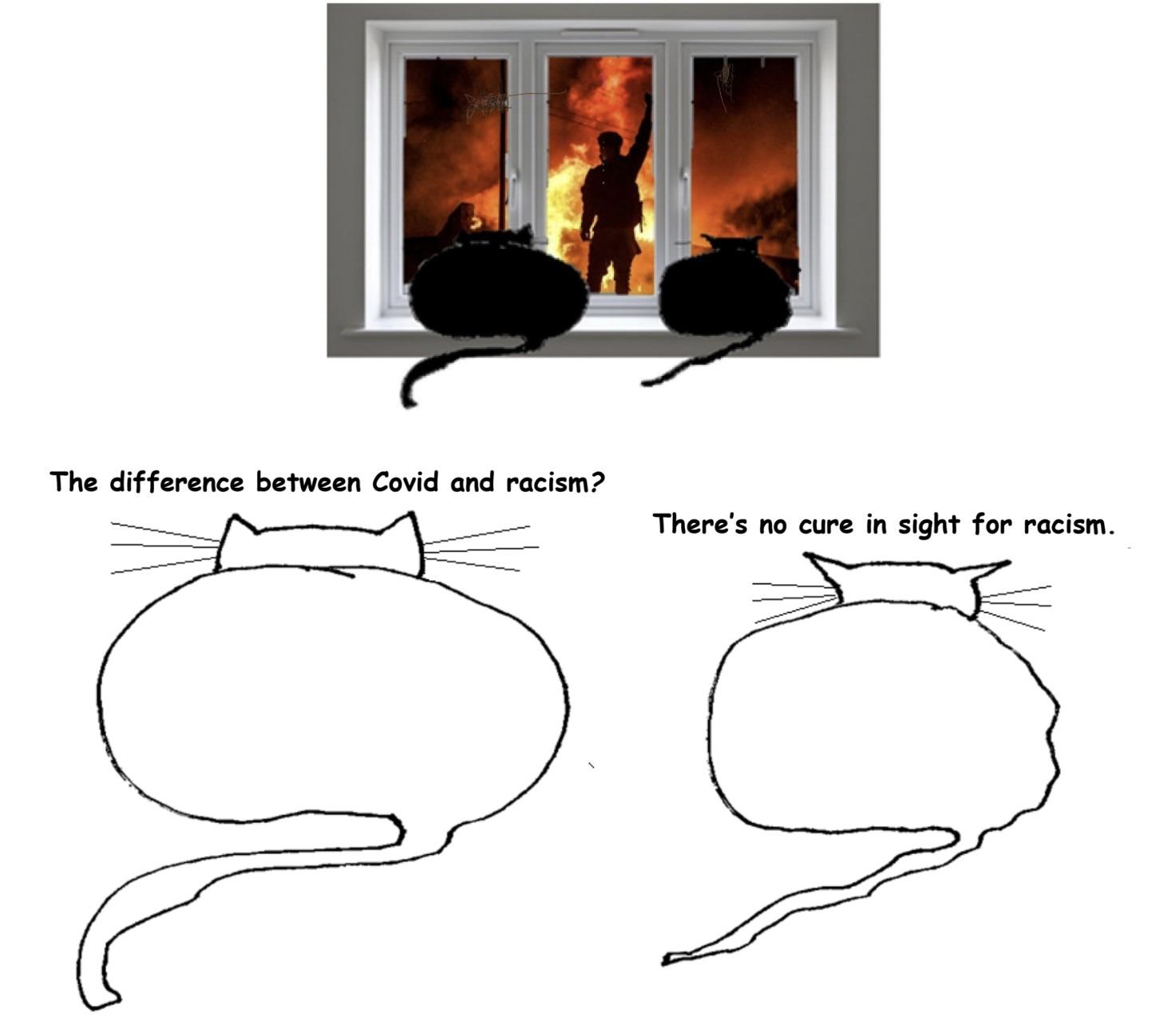

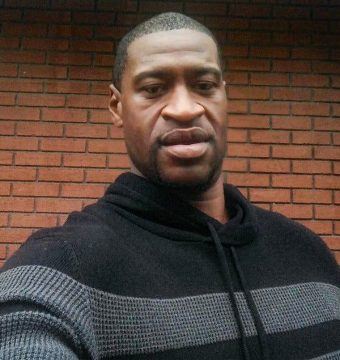 It feels impossible this week not to talk about George Floyd, and yet it feels as if talk has become egregiously cheap, less a mechanism for change than a means of resting in paralyses of complacency, disbelief, or comfort. When rage, grief, frustration, and loss take over communities, states, and entire countries as they have this week, words feel at once like our most important tool and a frantic means of filling what could otherwise be a devastating silence. How do we address a racism so deeply ingrained in society that it feels woven into every fiber of our country’s foundation—and, indeed, was there at the United States’ genesis, when black bodies bolstered a white economy at the expense of their lives, health, and humanity, and in the process built what we so misguidedly call the land of the free, the world’s first great democracy?
 My father had an immensely fat friend whom I often glimpsed filling a plate alone at the buffet table of the King Eddie’s restaurant as I walked past that grand hotel. This man himself had a father even then in those days a nonagenarian, whom he saw daily, devotedly, taking him to the pool for a swim. It turned out that, obesity or no obesity, the friend would outlive my own father by twenty years. Because I liked the man very much, his longevity does not strike me as an injustice. He had a snuffling voice, small but piercing eyes, a gigantic nose and a fund of forgiving affection, the kind dispensed even in the awareness that what was being forgiven might have been awful. He preferred not to know, though his ignorance was (if I may venture a paradox) well informed. My mother played matchmaker for decades in his behalf, possibly because she found him appealing. Her stratagems did not avail. His marvellous acquitting heart remained unpaired.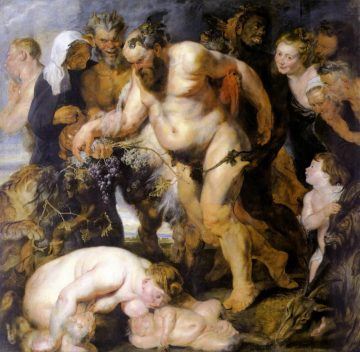

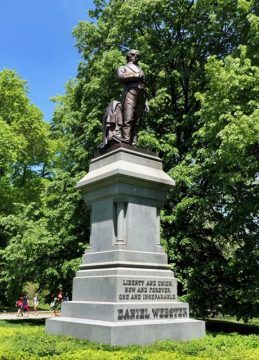 There is a statue of Daniel Webster in Central Park. It is tucked in at the intersection of West and Bethesda Drives, massive and unmoving, implacable and forbidding. Despite its size, it goes largely unnoticed, except as a meeting point.
 I’ve taught shittily these last two months. That’s nothing a teacher ever wants to admit and normally has no excuse for, but these are not normal times.