
Angelo Hernandez Sias at n+1:
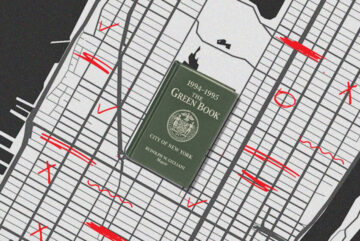
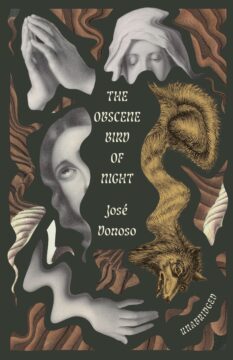 The Obscene Bird of Night is a cursed book. Its first translator, already a stand-in, disappeared from the project under mysterious circumstances. Its second translator, tapped to finish the job, never translated another book. Its third translator, some fifty years on, has been asked to revise rather than re-translate, grafting excised segments onto a nearly five-hundred page tome.1 Its author, who meant to knock it out in a few months, got lost in it for seven years, at the end of which he suffered his third bleeding ulcer, received an infected blood transfusion, had an allergic reaction to morphine, and nearly threw himself from a hospital window. Like that other seven-year endeavor, Ulysses, it has kept the professors busy, but the professors (the North American ones) have not kept it in print. It made Bolaño a lazy critic, it made Knopf the CIA, and it made your humble literary servant think that perhaps he should stick to serving ice cream. I’d have missed out. As the novel’s narrator puts it, “Servants accumulate the privileges of misery.”
more here.
Enjoying the content on 3QD? Help keep us going by donating now.
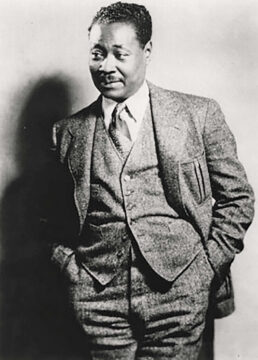 My dear Langston
 For starters, ChatGPT said that if billionaires paid taxes like the upper middle class, the government would bring in a lot more money — potentially hundreds of billions of dollars more every year. “That’s because most billionaires don’t make their money from salaries like upper-middle-class workers do. Instead, they grow their wealth through investments–stocks, real estate, and businesses–which are often taxed at much lower rates or not taxed at all until the assets are sold,” ChatGPT told me.
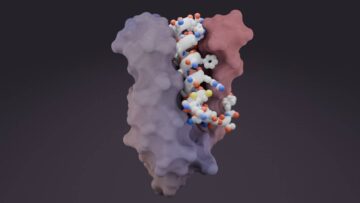 Designing drugs is a bit like playing with
 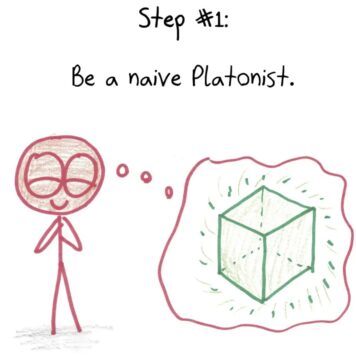 Every baby is born the same way (namely, as a baby).
 Every few years, the tires on your car wear thin and need to be replaced. But where does that lost tire material go?
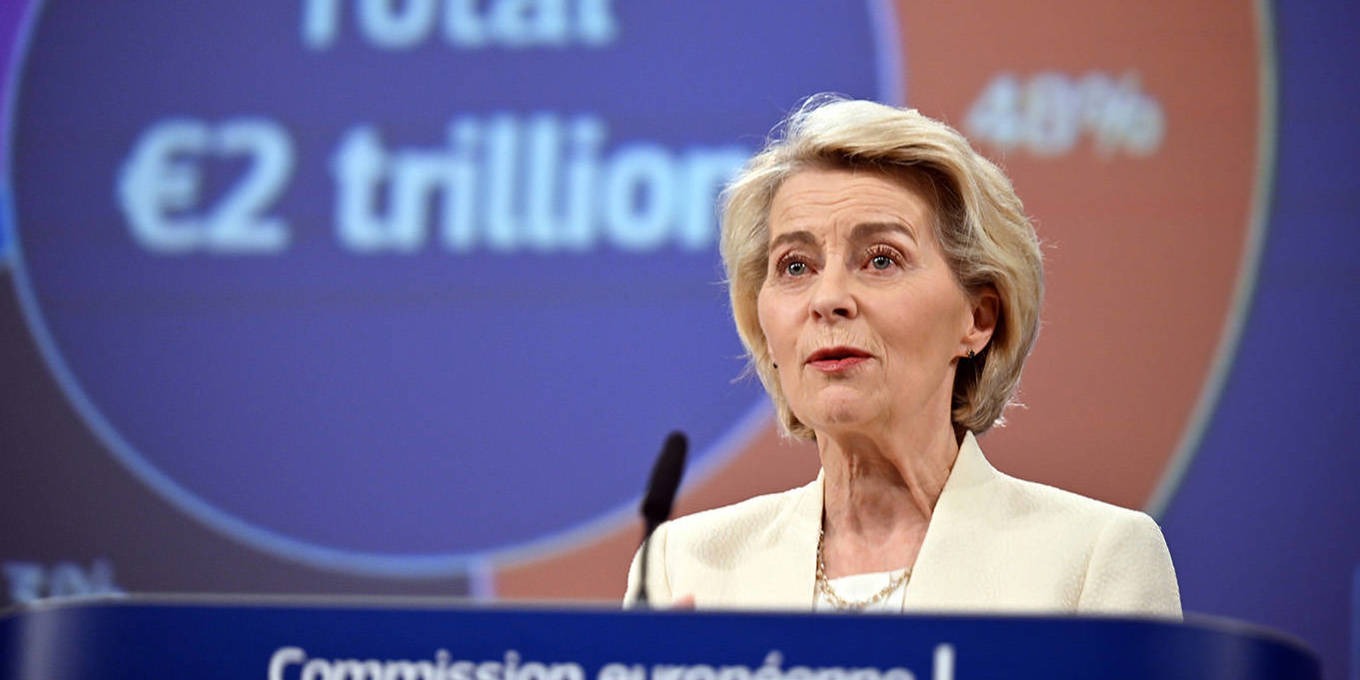 Three urgent priorities are set to strain Europe’s public finances over the next few years. The first – and most obvious – is defense. The push to boost military spending is primarily a response to Russian President Vladimir Putin’s aggression, compounded by US President Donald Trump’s relentless criticism of America’s NATO allies. Together, these pressures have made strengthening Europe’s defense posture a strategic necessity.
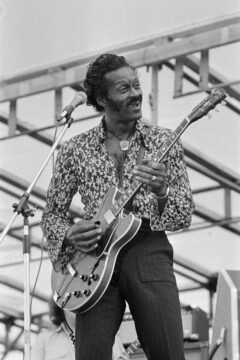 ‘There are ten thousand freedoms,’ the late Joshua Clover once said, ‘but rock freedom is definitely set – in the first instance – in a car, when it’s late outside. It can be ecstatic, it can be boring, it can be adjectiveless freedom, but you have reached escape velocity, faster miles an hour, you have no particular place to go, and you have the radio on.’
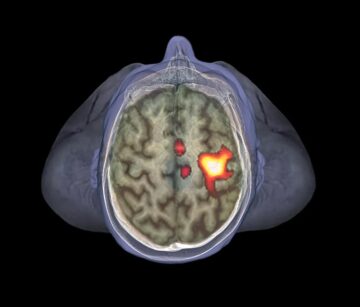 The brain activates front-line immune cells in response to the mere sight of a sick person, mimicking
  What i always say
 It took months of effort to understand