
Moths
Tonight the air smells of cut grass.
Apples rust on the branches. Already summer is
a place mislaid between expectation and memory.
This has been a summer of moths.
Their moment of truth comes well after dark.
Then they reveal themselves at our windowledges
and sills as a pinpoint. A glimmer.
The books I look up about them are full of legends:
ghost-swift moths with their dancing assemblies at dusk.
Their courtship swarms. How some kinds may steer by the moon.
The moon is up. The back windows are wide open.
Mid-July light fills the neighbourhood. I stand by the hedge.
Once again they are near the windowsill –
fluttering past the fuchsia and the lavender,
which is knee-high, and too blue to warn them
they will fall down without knowing how
or why what they steered by became, suddenly,
what they crackled and burned around. They will perish –
I am perishing – on the edge and at the threshold of
the moment all nature fears and tends towards:
the stealing of the light. Ingenious facsimile.
And the kitchen bulb which beckons them makes
my child’s shadow longer than my own.
by Eavan Boland
from Literary Hub
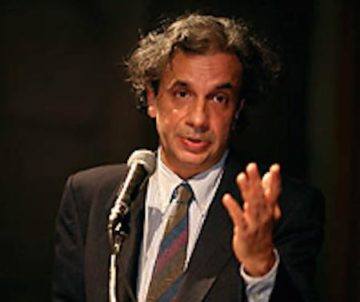 February 14, 1989, and September 11, 2001, have stood like bookends in my occasional writing on contemporary politics as it relates to Muslims. A rite of passage, a personal education. But the personal here reflects something wider in American, more generally Western, public life.
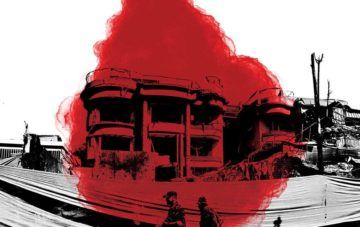 The Taliban observed the 20th anniversary of 9/11 in startling fashion. Within a week of the United States’ announcement that it would withdraw its forces from Afghanistan on September 11, the Taliban had taken over large parts of the country, and on August 15, the capital city of Kabul fell. The speed was astonishing, the strategic acumen remarkable: a 20-year occupation rolled up in a week, as the puppet armies disintegrated. The puppet president hopped a helicopter to Uzbekistan, then a jet to the United Arab Emirates. It was a huge blow to the American empire and its underling states. No amount of spin can cover up this debacle.
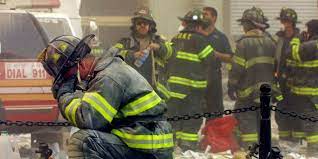
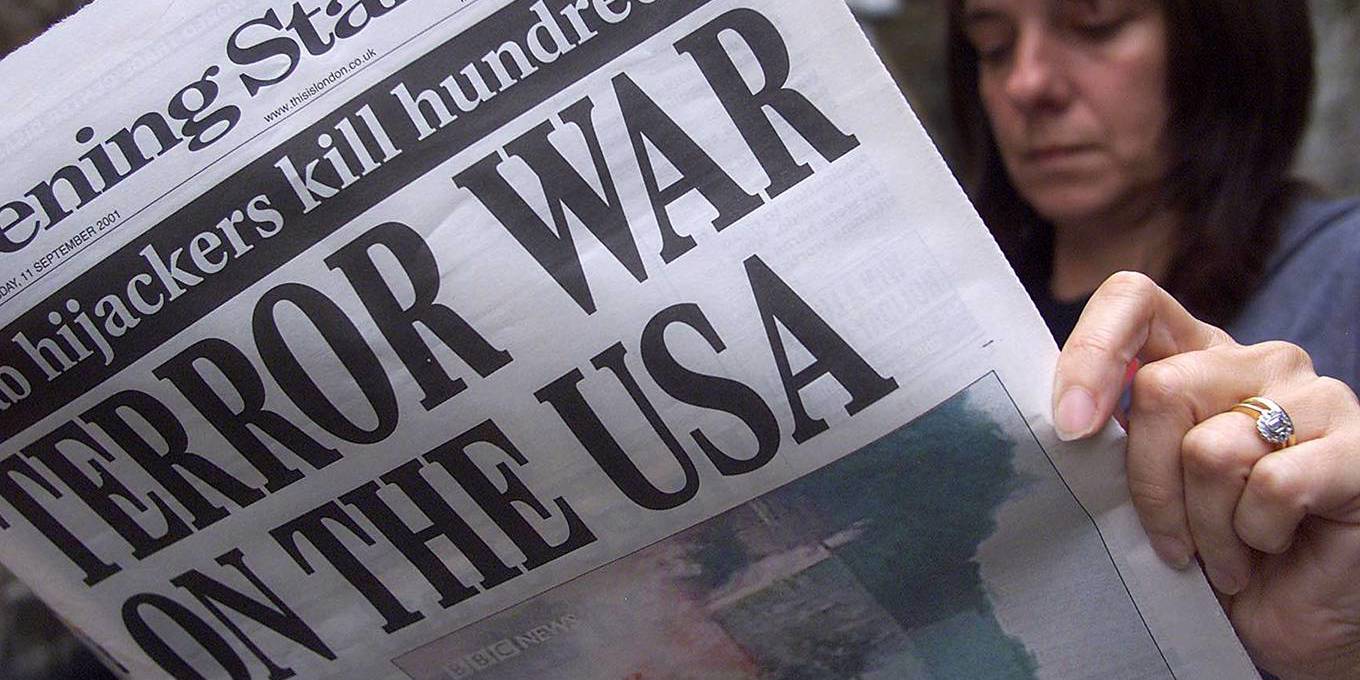 What 9/11 illustrates is that terrorism is about psychology, not damage. Terrorism is like theatre. With their powerful military, Americans believe that “shock and awe” comes from massive bombardment. For terrorists, shock and awe comes from the drama more than the number of deaths caused by their attacks. Poisons might kill more people, but explosions get the visuals. The constant replay of the falling Twin Towers on the world’s television sets was Osama bin Laden’s coup.
 How much attention should each of us be paying to our individual carbon footprint? That question is the subject of a contentious debate that’s been raging in climate circles for quite some time.
 When workers do not come into a city, a city can wither; and an examination of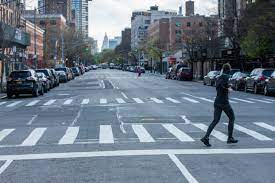
 S
S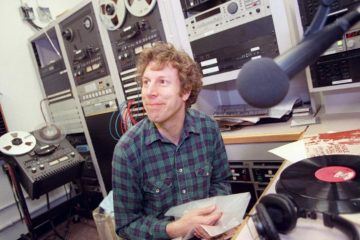 Neil Genzlinger in The New York Times (photo by Sara Krulwich/The New York Times):
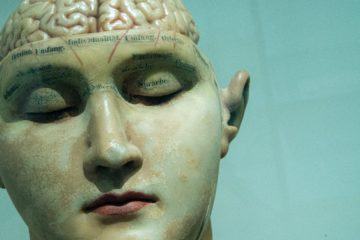 Joe Gough in Aeon (Photo by
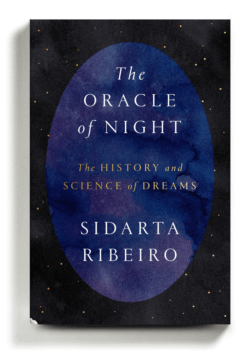 In the winter of 1995, the Brazilian neuroscientist Sidarta Ribeiro moved to New York to pursue his Ph.D. at Rockefeller University. His arrival, he writes in his fascinating, discursive new book, “The Oracle of Night,” precipitated one of the strangest periods of his life.
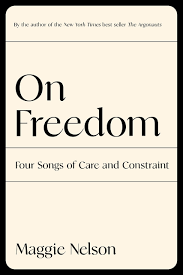 Nelson is an award-winning essayist and poet, whose previous works include a collection of aphorisms mainly about the colour blue, Bluets; two books about the murder of her aunt, Jane: A Murder and The Red Parts; a meditation on violence and art, The Art of Cruelty; and perhaps her best-known book, The Argonauts, about love, pregnancy and motherhood, among other things. People often say that Nelson’s work defies genre but this is the least interesting aspect of her writing – since around 1910 (with apologies to Woolf), defying genre has been a genre in itself. More interesting is the boundlessly inventive way Nelson deals with questions of authority and fragility, or how to say anything at all when reality has gone AWOL.
 F
F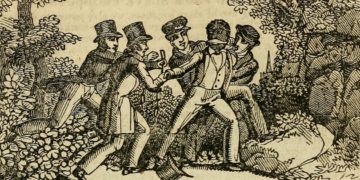 These Black heroes of 9/11 valiantly battled terrorism. But the sacrifices of these Black heroes will receive no recognition during the commemorations around America for the 20th Anniversary of what is considered the most tragic terrorist attack ever conducted on America soil. These heroes, William Parker and his colleagues, confronted terrorists on 9/11 in defense of freedom and liberty – professed pillars of democracy in America. Although badly outnumbered, these Black heroes successfully battled the armed terrorists whose onslaught included threats to employ a weapon of massive destruction. While the anti-terrorism actions of Parker and his band of Black heroes did occur on 9/11 those actions did not occur on ‘that’ 9/11.