Lisa Allardice in The Guardian:
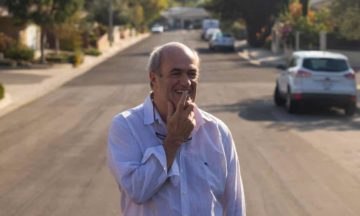 In June 2018, Colm Tóibín was four chapters into writing his most recent novel The Magician, an epic fictional biography of Thomas Mann that he had put off for decades, when he was diagnosed with cancer. “It all started with my balls,” he begins a blisteringly witty essay about his months in hospital; cancer of the testicles had spread to his lungs and liver. In bed he amuses himself by identifying the difference between blood clots (a new emergency) and cancer: “Boris Johnson would be a blood clot … Angela Merkel the cancer.”
He has seen off both Johnson and Merkel. In the month when he hopes he will have a final scan, he has just been awarded the David Cohen prize (dubbed “the UK Nobel”) for a lifetime achievement in literature. The author of 10 novels, two short story collections, three plays, several nonfiction books and countless essays, Tóibín has been shortlisted for the Booker prize three times and won the Costa novel award in 2009 for Brooklyn, about a young Irish woman who emigrates to New York in the 1950s, made into an award-winning film in 2015. He is surely Ireland’s most prolific and prestigious living writer.
Broodingly striking in appearance – in a movie he would be the gangster with a kind heart – he is animated, gracious and gossipy in conversation: we are on a video call from Los Angeles, where he spends part of the year with his boyfriend, editor Hedi El Kholti. He is very much alive (he played tennis yesterday). Meeting Tóibín in person (in more normal times) is to be struck by the disconnect between this ebullient, expansive raconteur and the spare, mournful fictional worlds for which he is famous. His short stories, in particular, are as steeped in gentle misery as his native Wexford is in rain.
More here.
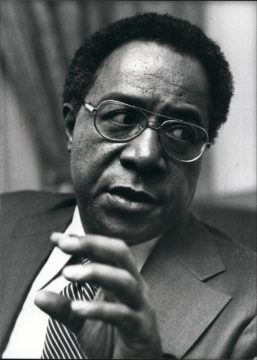 In 1959, long before his books “The Autobiography of Malcolm X” and “Roots” made him famous, an aspiring writer named Alex Haley, fresh out of the Coast Guard, wrote to six prominent Black writers in Greenwich Village for pointers on how to break into publishing. Only James Baldwin replied, showing up at Haley’s place unannounced one afternoon and chatting with him. Haley was eternally grateful for such generous encouragement from the distinguished author.
 Raphaële Chappe in Late Light:
 Herman Mark Schwartz in American Affairs Journal:
 Ian Hesketh in Aeon:
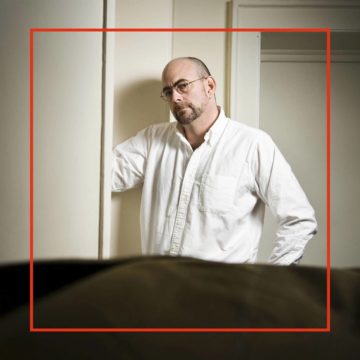 Marco Roth in Tablet:
 Throughout much of human history, famine, pestilence, and war have sent people seeking the comforts of religion. From the religious processions of Europe during the fourteenth-century Black Plague to the sharp
  What is the matter with the Democrats? On one level, the answer is simple. Voters with college degrees are
 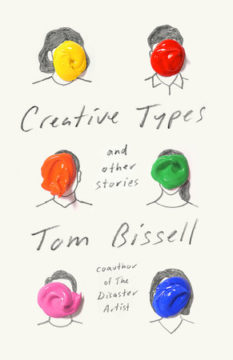 This kind of career serenity prayer led to Bissell’s biggest breakthrough: “
 If a picture were still worth a thousand words, we’d know more than enough by now about
 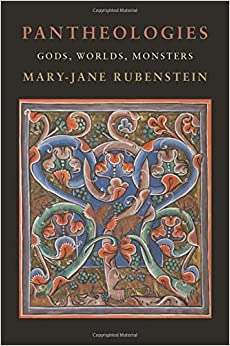 In this book, she explores the history of intellectual discussions of pantheism, and raises questions about why so many Western philosophers and theologians have resisted this concept. Pantheism is combined of two Greek words, pan—which means ‘all’—and theism, which consists of belief in God. Here All is God, or God is All. In most of Western thought, pantheism functions as a limit concept. That is, if we want to think about or have faith in a divinity, it needs to be related to the world, the all or everything, but pantheism names the collapse of this God into everything else to the extent that there is nothing that is not God.