
John Horgan in Nautilus:
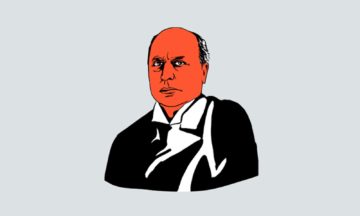 Science journalism is really about everything, I like telling my science-journalism students, because science is really about everything. Take The Golden Bowl, the insanely prolix novel by Henry James, which I read as penance after zipping through a Stephen King gore-fest. The Golden Bowl, I’d heard, is a slog compared to thrillers like The Portrait of a Lady and Turn of the Screw, but James called Bowl his “solidest” novel. By that he must have meant the most Jamesian because The Golden Bowl reads like a parody of James. H.G. Wells’ comparison of James to a hippopotamus trying to pick up a pea comes to mind.
Almost nothing happens, and yet nothing is straightforward, certainly not the prose. James jams sentences with subjunctives and conditionals, second and third thoughts, double and triple negatives. Just once, I whined, I wish you’d say what you mean. Plus, the characters are socialites who would never dream of washing their own dishes. But the book grew on me. Superficially dated, it is actually bracingly modern, or timeless. It dwells on what psychologists call “theory of mind,” our supposedly innate ability to infer each other’s thoughts. James is telling us, in effect: You think you know what’s going on in other peoples’ heads? Think again.
More here.
 In April,
  In a few weeks it will be 30 years since
  By now, we’ve seen the ChatGPT parlor tricks. We’re past the novelty of a cake recipe in the style of Walt Whitman or a weather report by painter Bob Ross. For the one-hundredth time, we understand the current incarnation of large language models make mistakes. We’ve done our best to strike a studied balance between doomers and evangelists. And, we’ve become less skeptical of “emergent” flashes of insight from the aptly-named foundational models. At the same time, Google, Meta and a list of hopeful giant swatters have released credible competitors to ChatGPT.
 I MAY HAVE BEEN INVITED
 A
A IN THE LATE
 The Federal Reserve’s latest
  I
I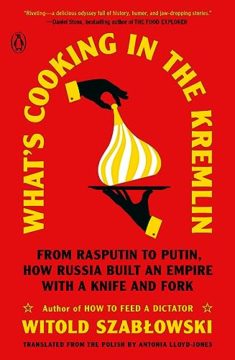 Witold Szablowski describes a number of surprising dishes in his entertaining yet unnerving new book, “What’s Cooking in the Kremlin,” which explores the last century of Russian history through its food. But none is as surreal as the recipe for one of Lenin’s favorites. The instructions for making his “scrambled eggs using three eggs” orders you to break the eggs but not to beat them. What Lenin called “scrambled eggs” were actually fried eggs, with their yolks and whites intact — not scrambled at all.
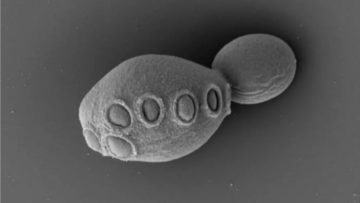 Our ability to manipulate the genes of living organisms has expanded dramatically in recent years. Now, researchers are a step closer to building genomes from scratch after unveiling a strain of yeast with more than 50 percent synthetic DNA.