
What He Thought
…………. —an excerpt
. . . we sat and chatted, sat and chewed,
till, sensible it was our last
big chance to be poetic, make
our mark, one of us asked
………………………………….. “What’s poetry?
Is it the fruits and vegetables and
marketplace of Campo dei Fiori, or
the statue there?” Because I was
the glib one, I identified the answer
instantly, I didn’t have to think—“The truth
is both, it’s both,” I blurted out. But that
was easy. That was the easiest to say. What followed
taught me something about difficulty,
for our underestimated host spoke out,
all of a sudden, with rising passion, and he said:
The statue represents Giordano Bruno,
brought to be burned in the public square
because of his offense against
authority, which is to say
the Church. His crime was his belief
the universe does not revolve around
the human being: God is no
fixed point or central government, but rather is
poured in waves through all things. All things
move. “If God is not the soul itself, He is
The soul of the soul of the world.” Such was
his heresy. The day they brought him
forth to die, they feared he might
incite the crowd (the man was famous
for his eloquence). And so his captors
placed upon his face
an iron mask, in which
he could not speak. That’s
how they burned him. That is how
he died: without a word, in front
of everyone.
………………. And poetry—
………………………………….. (we’d all
put down our forks by now, to listen to
the man in gray; he went on
softly)—
……………………… poetry is what
he thought, but did not say.
by Heather McHugh
from Poetry 180
Random House 2003
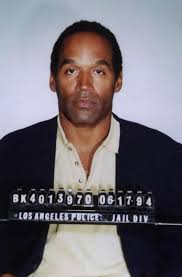 The two weeks spanning the O. J. Simpson verdict and Louis Farrakhan’s Million Man March on Washington were a good time for connoisseurs of racial paranoia. As blacks exulted at Simpson’s acquittal, horrified whites had a fleeting sense that this race thing was knottier than they’d ever supposed—that, when all the pieties were cleared away, blacks really were strangers in their midst. (The unspoken sentiment: And I thought I knew these people.) There was the faintest tincture of the Southern slaveowner’s disquiet in the aftermath of the bloody slave revolt led by Nat Turner—when the gentleman farmer was left to wonder which of his smiling, servile retainers would have slit his throat if the rebellion had spread as was intended, like fire on parched thatch. In the day or so following the verdict, young urban professionals took note of a slight froideur between themselves and their nannies and babysitters—the awkwardness of an unbroached subject. Rita Dove, who recently completed a term as the United States Poet Laureate, and who believes that Simpson was guilty, found it “appalling that white people were so outraged—more appalling than the decision as to whether he was guilty or not.” Of course, it’s possible to overstate the tensions. Marsalis invokes the example of team sports, saying, “You want your side to win, whatever the side is going to be. And the thing is, we’re still at a point in our national history where we look at each other as sides.”
 Walnuts can
  Zeresenay Alemseged doesn’t remember the 1974 discovery of the famous fossil Lucy at Hadar in Ethiopia, because he was 5 years old, living 600 kilometers away in Axum. Later he saw Lucy’s name on cafes and taxis, but he knew little about her until he became a geologist working at the National Museum of Ethiopia. Then, she changed his life. In 2000, Alemseged was swept into Lucy’s orbit:
  Geoff Dyer: Yeah, it’s a little piece of self-encouragement. Because, you know, sometimes I’m sort of worried about my take on a given subject. Do I know enough about it? Take for example, my history of photography called The Ongoing Moment. I wrote that book because I wanted to find out about the history of photography. I wrote the book for the same reason that readers might later go to it.
 Granted, the social lives of viruses aren’t quite like those of other species. Viruses don’t post selfies to social media, volunteer at food banks or commit identity theft like humans do. They don’t fight with allies to dominate a troop like baboons; they don’t collect nectar to feed their queen like honeybees; they don’t even congeal into slimy mats for their common defense like some bacteria do. Nevertheless, sociovirologists believe that viruses do
  Saar Wilf is an ex-Israeli entrepreneur. Since 2016, he’s been developing a new form of reasoning, meant to transcend normal human bias.
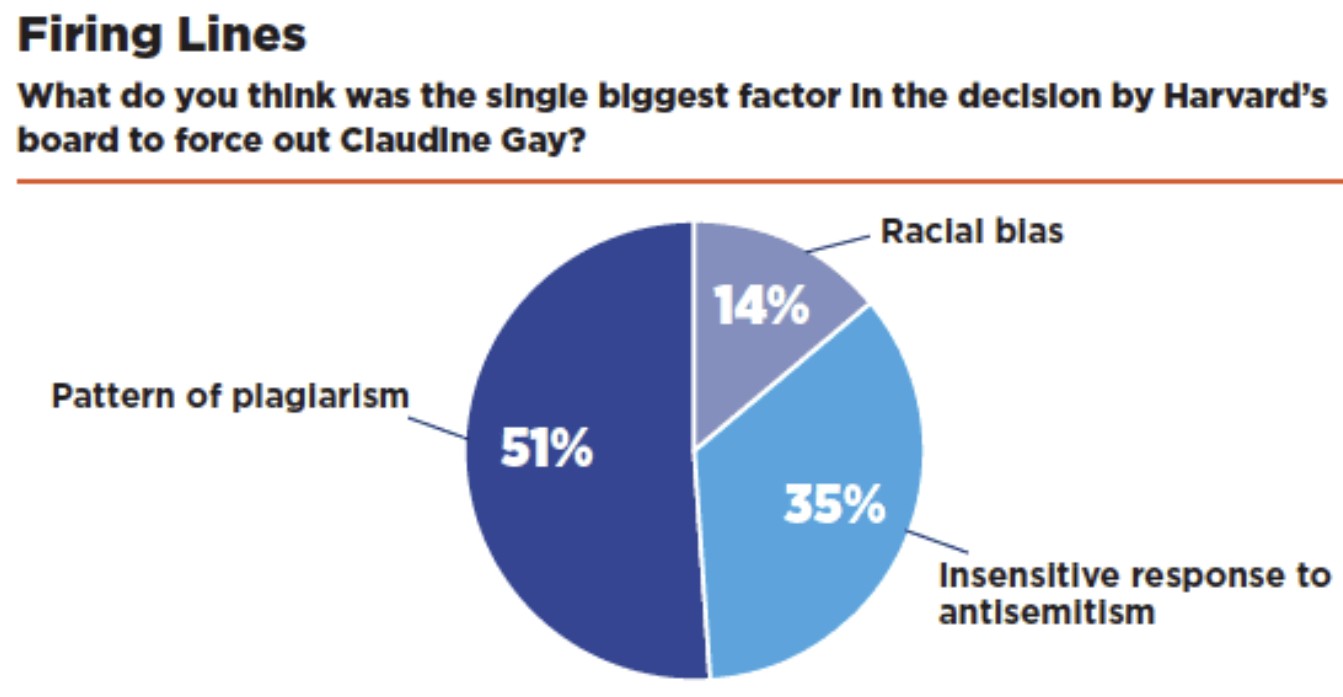 The negative buzz over board challenges experienced by Harvard, Tesla and Boeing shows remarkably parallel problems over the same period. Harvard’s stumble is particularly educational for boards facing a governance crisis.
 I
I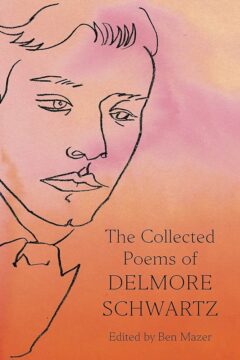 Come with me, down the rabbit hole that is the life and work of the Brooklyn-born poet Delmore Schwartz (1913-66). There are two primary portals into Delmore World. Neither involves his own verse. Reading about Schwartz is more invigorating than reading him, or so I have long thought. He was so intense and unbuttoned that he inspired two of the best books of the second half of the 20th century.