Calvin Tomkins at The New Yorker:
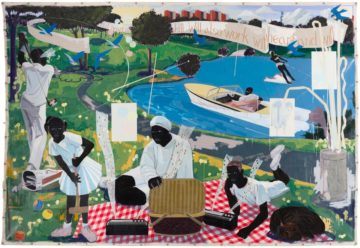 For the first thirty years of his career, Kerry James Marshall was a successful but little known artist. His figurative paintings, drawings, sculptures, photographs, and videos appeared in gallery and museum shows here and abroad, and selling them was never a problem. He won awards, residencies, and grants, including a MacArthur Fellowship in 1997, but in the contemporary-art world, which started to look more closely at Black artists in the nineties, Marshall was an outlier, and happy to be one. He had an unshakable confidence in himself as an artist, and the undistracted solitude of his practice allowed him to spend most of his time in the studio. The curator Helen Molesworth told me that during the three years it took to put together “Mastry,” Marshall’s first major retrospective in the United States, which opened in 2016 at the Museum of Contemporary Art Chicago and travelled to the Metropolitan Museum of Art and the Museum of Contemporary Art, Los Angeles, “there were still people in the art world who didn’t know who he was.”
This is no longer the case. The exhibition outed Marshall as a great artist, a virtuoso of landscape, portraiture, still-life, history painting, and other genres of the Western canon since the Renaissance.
more here.
 J
J Ever since 1796, when English scientist and physician Edward Jenner successfully inoculated an eight-year-old boy with cowpox to protect him from smallpox, vaccines have been a key tool for preventing disease. From smallpox to polio, diphtheria to COVID-19, vaccines have prevented more deaths from infectious disease than any other medical treatment.
 The show will be airing once a month, and I already have several episodes recorded. I am always interested in hearing pitches for new episodes, with guests who either have some weighty credentials in a given area (e.g., a biochemist who wants to address with me the question “What is life?”), or who have some demonstrable ability to speak about a topic in a compelling way (e.g., I’m recording an episode on friendship with someone whose credentials in this area are that he is my old old friend and I know him to be an excellent raconteur). [3QD Editor’s Note: the friend mentioned here happens to be yours truly—S. Abbas Raza]
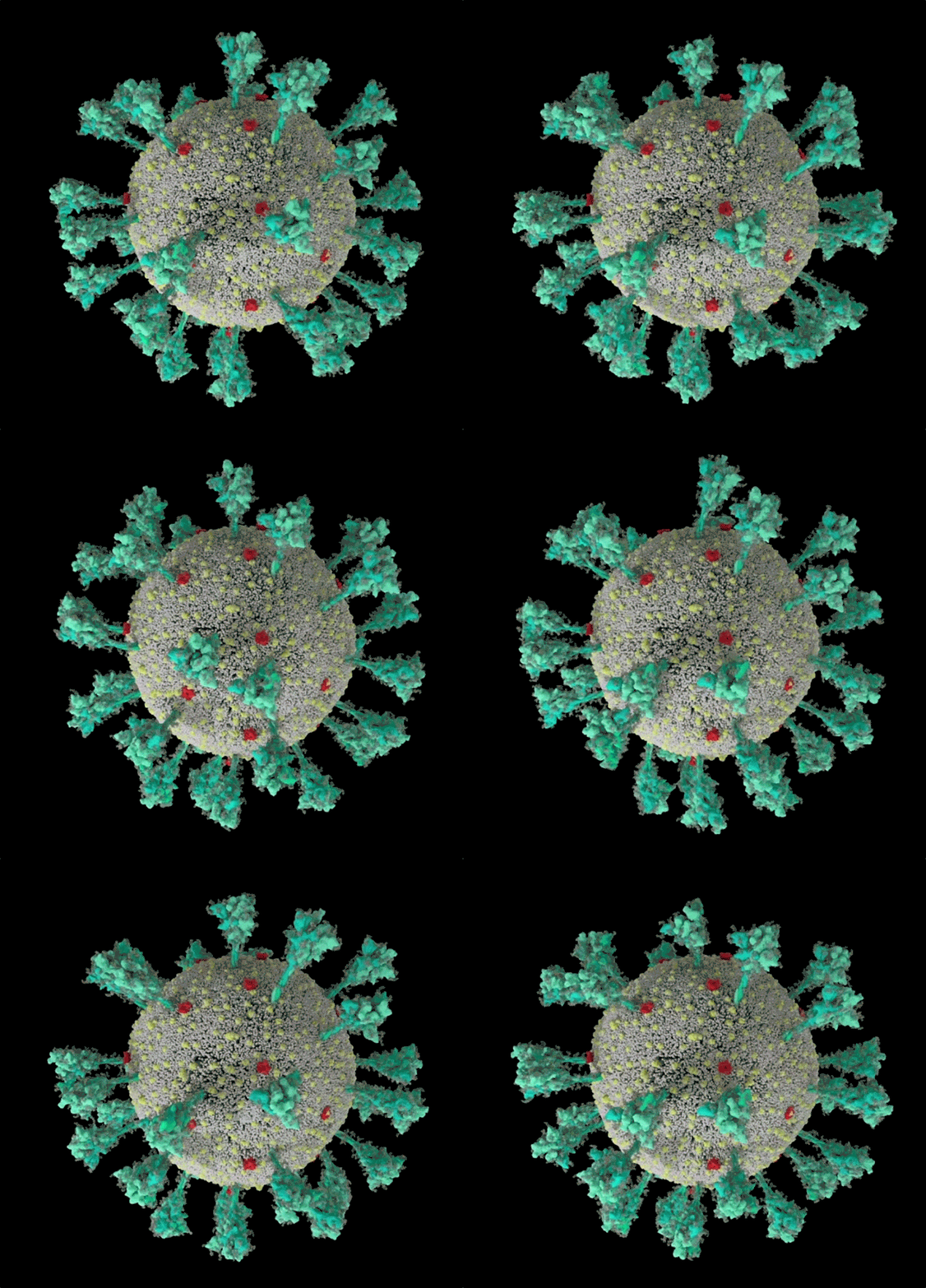 The coronavirus sports a luxurious sugar coat. “It’s striking,” thought Rommie Amaro, staring at her computer simulation of one of the trademark spike proteins of SARS-CoV-2, which stick out from the virus’s surface. It was swathed in sugar molecules, known as glycans.
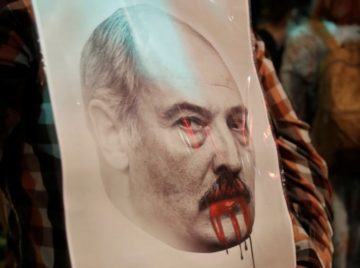 Over the past decade, autocrats around the world have perfected the technique of “managed” or “guided” democracy. In Belarus, Egypt, Russia, Uganda, Venezuela, and elsewhere, authoritarian leaders have held periodic elections to enhance their legitimacy but monopolized the media, restricted civil society, and manipulated state institutions and resources to ensure that they remained in power.
 The pack: that’s what they called it. A secret guide, discreetly passed to literary authors in need of money to sustain their ‘real’ art. Compiled by such an author, happy to share their experience of publishing erotica on Amazon, it offered advice to avant-garde writers keen to turn their hand to this lucrative genre. According to the pack, popular topics included:
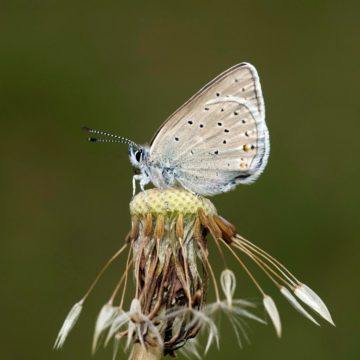 Vladimir Nabokov may be known to most people as the author of classic novels like “Lolita” and “Pale Fire.” But even as he was writing those books, Nabokov had a parallel existence as a self-taught expert on butterflies. He was the curator of lepidoptera at the
 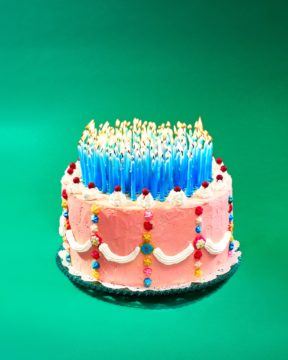 In 1990, not long after Jean-Marie Robine and Michel Allard began conducting a nationwide study of French centenarians, one of their software programs spat out an error message. An individual in the study was marked as 115 years old, a number outside the program’s range of acceptable age values. They called their collaborators in Arles, where the subject lived, and asked them to double-check the information they had provided, recalls Allard, who was then the director of the IPSEN Foundation, a nonprofit research organization. Perhaps they made a mistake when transcribing her birth date? Maybe this
 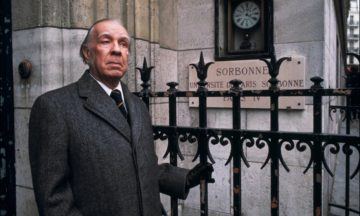 “T
“T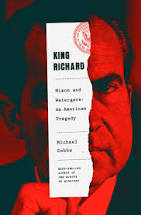 Does the world need another history of the Watergate scandal? If it’s this good, yes. Michael Dobbs’s tense facto-thriller covers the first hundred days of Richard Nixon’s second administration, from the triumph of re-election to the moment when things ‘fell apart’ in mid-1973. Dobbs stalks the president around the White House, watching and listening – much like the taping system Nixon installed to protect his reputation but that, in the end, destroyed it. We hear him make bigoted comments and plot to conceal the truth, as well as lie to the faces of men he professes to love – and to himself as well.