by Kathleen Goodwin
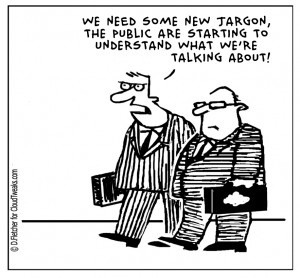
“In The Light of What We Know” skips around temporally but the narrative is centered around London in 2008, in the midst of the unfurling financial crisis. The nameless narrator is revealed to not only be a banker, but the head of the mortgage-backed securities unit of his (also unnamed) global investment bank and thus on the verge of losing his job as the public condemns him and his counterparts for the calamity that is taking place. Tellingly, Rahman's résumé includes a stint as a Wall Street investment banker prior to becoming a novelist. His purpose does not appear to be to crucify the financial sector, rather his novel explores the great irony of the financial crisis—the securities derived from residential mortgages, which when the American housing market collapsed became essentially worthless and set off the chain of events that have changed history forever, were vetted and encouraged by the entities that should have understood and prevented the systemic risk to global markets these securities posed. Rahman's narrator explains this as being a function of the incestuous and hierarchical relationship between the big banks and the ratings agencies and regulators. The narrator describes a financial club of sorts, headed by chummy Oxford classmates who maintain a revolving door hiring policy and most importantly—speak a financial language incomprehensible to the ignorant public. The critical point is the way these hidden power structures allowed the conditions preceding the financial crisis to occur. The ratings agencies and regulators were compliant with the investment banks while the rest of society was unaware of the huge gambles being sanctioned, which eventually proved to be detrimental to the stability of the global economy.