by Dwight Furrow
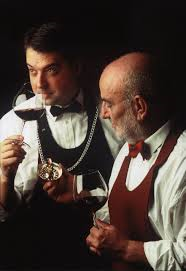
The study that seems to get the most attention is from 2001. Frédéric Brochet asked 54 wine experts to assess two glasses of wine, one red, the other white. But in fact the two wines were identical white wines, the “red” wine having been dyed with food coloring. All the experts used descriptors typical of red wines and failed to notice the wine was in fact white. But this study does not show that wine tasters are incompetent. The study relied only on smell, not taste which would more readily yield clues to the wine's nature. More importantly, wine tasters are taught to use visual clues when trying to identify a wine using the deductive method. Given that the wine appeared red, trained wine tasters would have logically ruled out white descriptors. The study proves nothing about the expertise of wine tasters; only a lack of expertise in designing the study.
In a follow-up study, Brochet served wine experts two bottles, one with the label of a Grand Cru, the other labeled as an ordinary table wine. The wine in both bottles was identical and ordinary. The expensive wine was highly praised; the less expensive one roundly criticized. The conclusion this article attempts to draw is that all wine tastes the same and there is no distinction between cheap and expensive wine. But there is an alternative hypothesis that is much more plausible. We aren't told who these experts were, but the results are not surprising. There is ample scientific evidence that judgments about wine, including those of experts, are influenced by reputation, price, and expectations. That is why wine tasters often taste blind so their judgments are not distorted by these factors. All this study shows is that our judgments are influenced by background beliefs—this is not news and the tendency of wine tasters to be influenced by price and reputation has been incorporated into wine tasting practice for decades.