
by Mary Hrovat
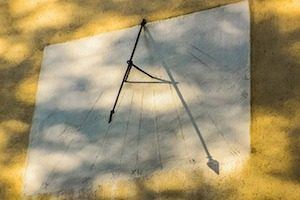 Before the second was defined in terms of the characteristics of the cesium atom, before leap seconds or leap days or Julian dates or the Gregorian calendar, before clocks, even before the sundial and the hourglass, there were sunrise, sunset, and shadows.
I’ve been thinking about timekeeping using shadows because a tulip tree in my backyard casts a shadow that traces a semicircle over the lawn on sunny days and moonlit nights, like the hand of a clock. The shadow is longest and most noticeable at this time of year, when the sun crosses the sky low in the south, and on summer nights around full moon. (The full moon crosses the sky low in the south in the summer, when the sun is riding high in the north.) However, I can see it year-round, given adequate sunlight or moonlight, although its appearance varies depending on the position of the sun or moon. I enjoy seeing this subtle demonstration of daily and seasonal cycles.
The gnomon on a sundial (the part that casts a shadow) was probably inspired by natural objects like this tree that cast useful shadows and roughly indicate the time of day. The first human-made gnomons were vertical poles or towers. For example, Egyptian obelisks, in addition to being tributes to gods or markers celebrating a ruler’s achievements, acted as gnomons, and their shadows marked the time of day for a city.
Sundials of various types were developed as these early timekeepers were refined by aligning the gnomon with Earth’s rotational axis and adding a dial that marks divisions in time. In addition, the natural or solar hours, which vary in length throughout the year if you’re not near the equator, were eventually replaced by hours of equal length. Thus was timekeeping made more useful but also distanced somewhat from its roots in solar time, particularly when clock time had to be coordinated across different regions and eventually across the globe. Read more »
 The fall turned colors faster than ever before. The streets never saw any activity. The whole gambit of Prometheus hinged on a mere coin flip. Richard Albrook gingerly closed his book and took a look around.
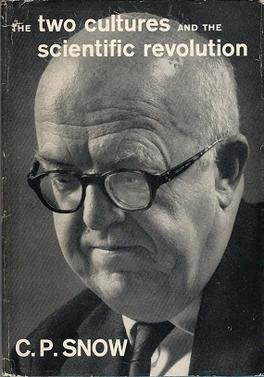 It is a commonplace to say that a divide has occurred in modern academia between the sciences and the humanities. In the anglophone world, this diagnosis is often traced back to a lecture by the British scientist-novelist Charles Snow, who pointed out in 1959 what he saw as a lamentable gap between ‘two cultures’: the literary and the scientific culture. Snow’s Rede lecture has become the main



 “Beware of literature!” This warning occurs in Jean-Paul Sartre’s 1938 novel Nausea as an entry in the diary of the narrator, Antoine Roquentin. In context, it concerns the way that literary narratives falsify our experience of events by investing them with an organization and structure that our experiences in themselves, as we live them, do not have. When Bilbo Baggins finds the ring in The Hobbit, Tolkein tells us that although Bilbo didn’t realize it at the time, this would turn out to be a turning point in his life. When married couples recall their first meeting, their account inevitably packages the event as a “beginning,” even though they may have had no inkling of this at the time.
 Do you find this prospect upsetting? Perhaps you think it is unfair for someone to get a job without a good reason for why they deserve it rather than anyone else. Perhaps you think such a system would decrease your chances of getting the job you want. If so then you may be under the influence of the cult of excellence.
 In the 70s our church caught bus fever as an effort to bring in the sheaves with greater volume (we pass the salvation savings on to you!). We began deploying a fleet of ancient school buses, painted Baptist blue, out into the neighborhoods of town to bring anyone that so wished to church. Heathen parents gleefully signed up their kids so they could read the paper and drink coffee in peace. Today such an effort would be like inviting people to sue you and then providing a free ride to the courthouse. Come for the mass transit; stay for the litigation.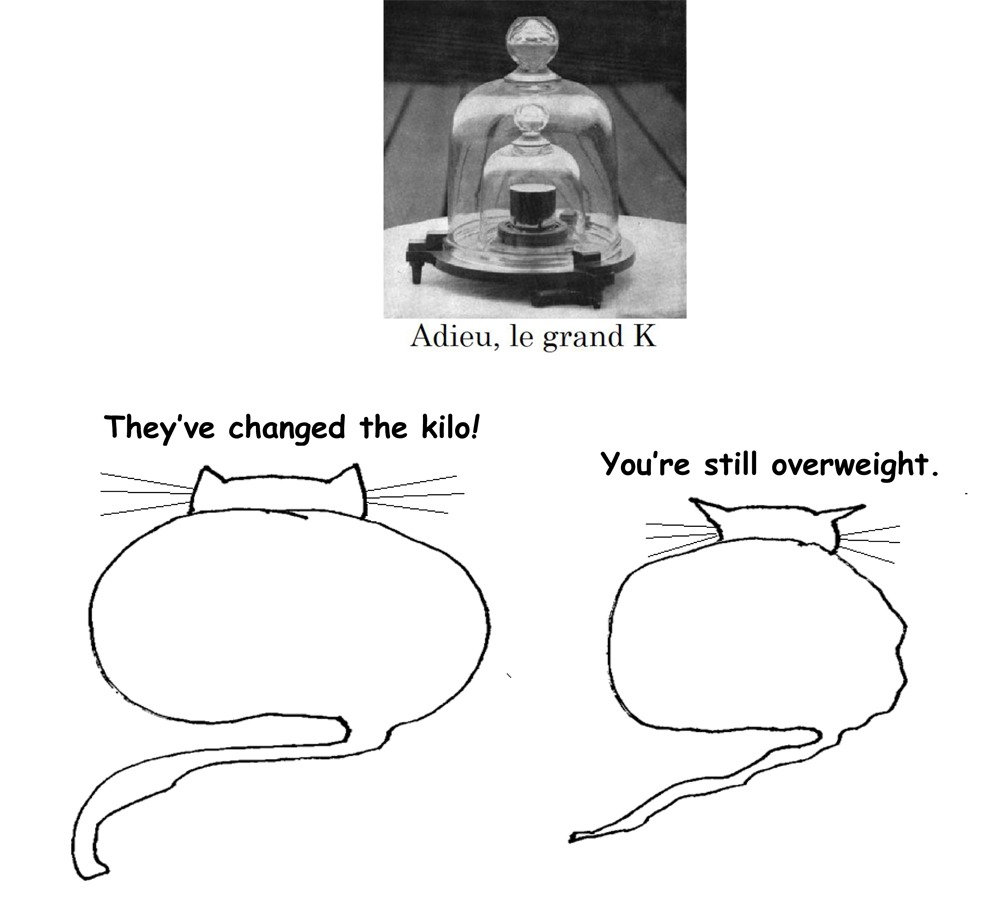
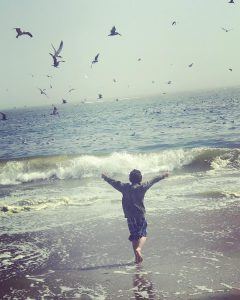 When the father of your child is in jail, pray even if you don’t believe in God. Pray even though in your head of heads you know it won’t do shit. Stop staring at the walls, at the clock, at the phone. At your baby, now eight, sleeping next to you, his sneakers, caked with mud, still tied to his feet. Pray because it will distract you from what’s coming, from a conversation millions of mothers have already had with their sons. You are not different, not an exception to some rule. Start praying instead of feeling sorry for yourself. Buck the fuck up because he will need you.