
“Gas stations at night can sometimes be weird places.”
…………………………………………………. —Ruchira Paul, 5/7/22
Gas Stations Can Sometimes Be Weird at Night: Circa 1958
While in HS I pumped gas at a station in town
owned by an amiable, but besotted old Italian guy
who sat in his desk-chair next to the register,
feet crossed upon a case of oil,
supine as the chair would allow,
head back, gazing at the ceiling’s tin tiles
through smoke of intermittent puffs
from the butt of a Chesterfield
daintily held between finger and thumb,
elbow on armrest, forearm plumb as a column,
smoke circling his bald head,
ears tuned to radio: opera
cranked up
Louie, lead tenor, belting bourbon-tinged arias
at full volume between drags,
warbling Puccini for all he was worth,
swathed in perfumes of grease and oil
in splendor on the stage of the Met,
gazing in glory at a full house
while I pumped gas, checked oil,
and ran squeegees across windshields
waiting for the night’s curtain to drop
to a chorus of imagined bravos
bellowed from the street
amongst deafening applause
…Yes, gas stations at night
can be weird sometimes—
and beautiful
…Me? I liked rock and roll
and sang with Elvis
in my car
…Louie and I?
We got along just fine
Jim Culleny
5/7/22
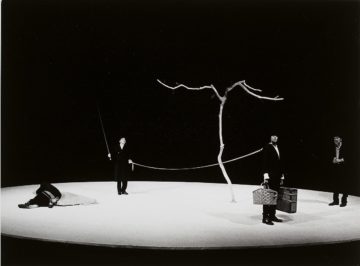
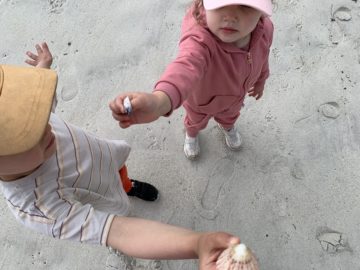 I regret not having children younger. Like, much younger. I was thirty-six when my first child, now four, was born; thirty-eight when my second was born. I wish I had done it when I was in my early twenties. This is an unpopular perspective. I know this because when I’ve raised this feeling with friends, many of whom had children similarly late in life, I’ve been met with a strong resistance. It’s not just that they don’t share my feelings, that their experience of having children later in life is different to mine, it’s that they somehow mind me feeling the way that I do. They think that I am wrong – mistaken – to feel this way. It upsets them.
 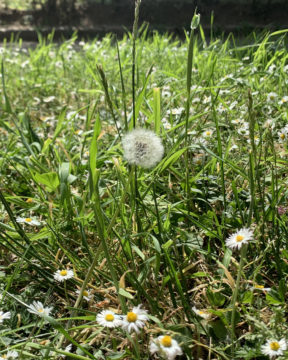 The dandelion is thousands of miles from home. It has been in America learning about the world beyond and perhaps it wants to return. It has lived thousands of sad lives. Finally after 300 years, a seed clings to an old man’s jacket as he boards a plane, and happens to land in a small patch of dirt right by the Charles de Gaulle airport; the dandelion is welcomed home graciously, and they share the stories of what has happened in its absence. They notice little differences to him. He has mutated slightly; the increased sun in America has made his petals more yellow; the lawn mowers have made him shorter; the pesticides have made him stronger. They don’t talk to him about the sun or the lawn mowers or the pesticides, though. They talk about their shared home in France.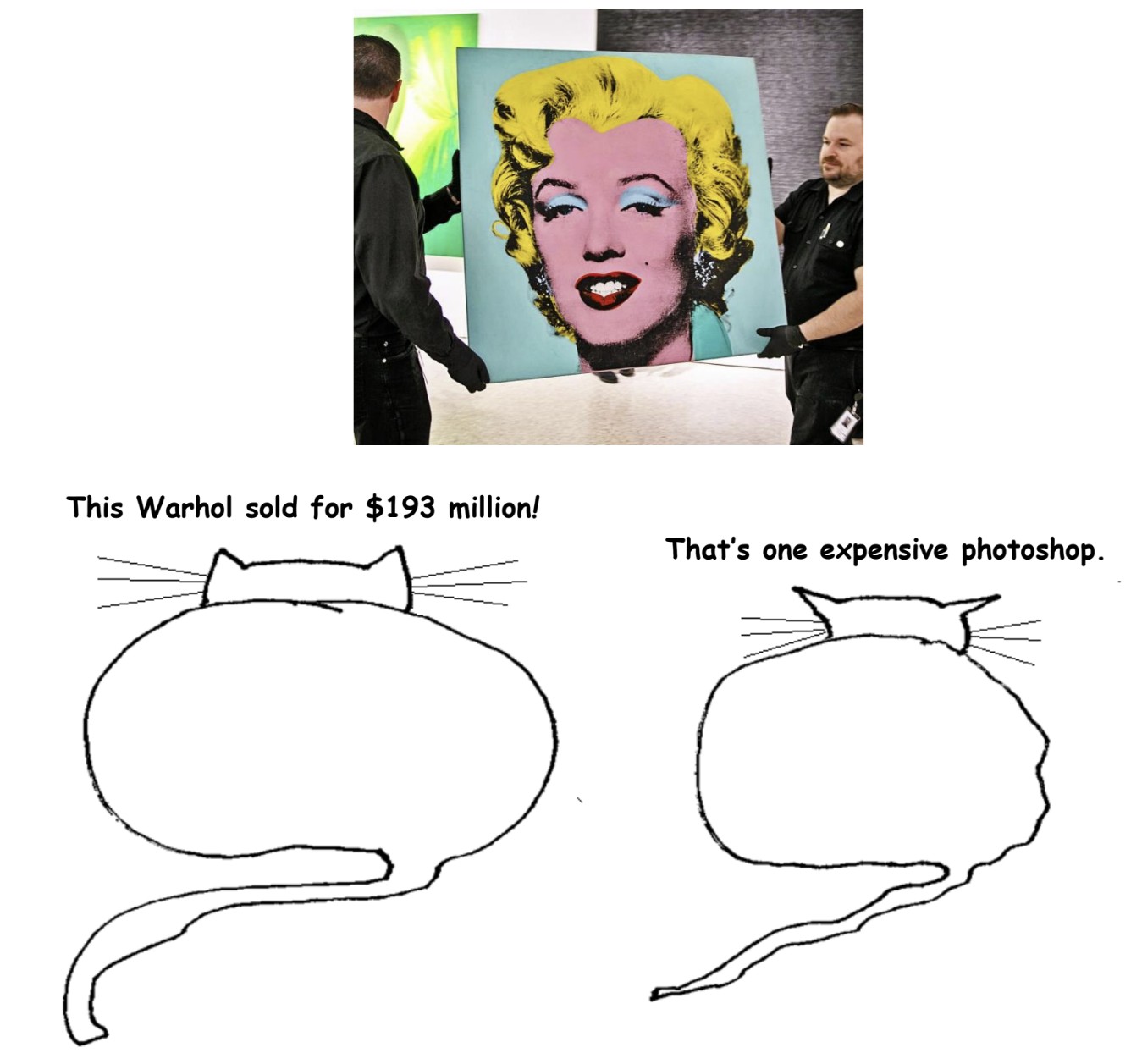

 Halfway through a pilgrimage, it’s a good thing to remember why you’re on it – where you hope it’s taking you. I’m following a plan to consider the strangely numerous churches of this little Portland neighborhood, just a half-mile square but crowded with varieties of religiosity.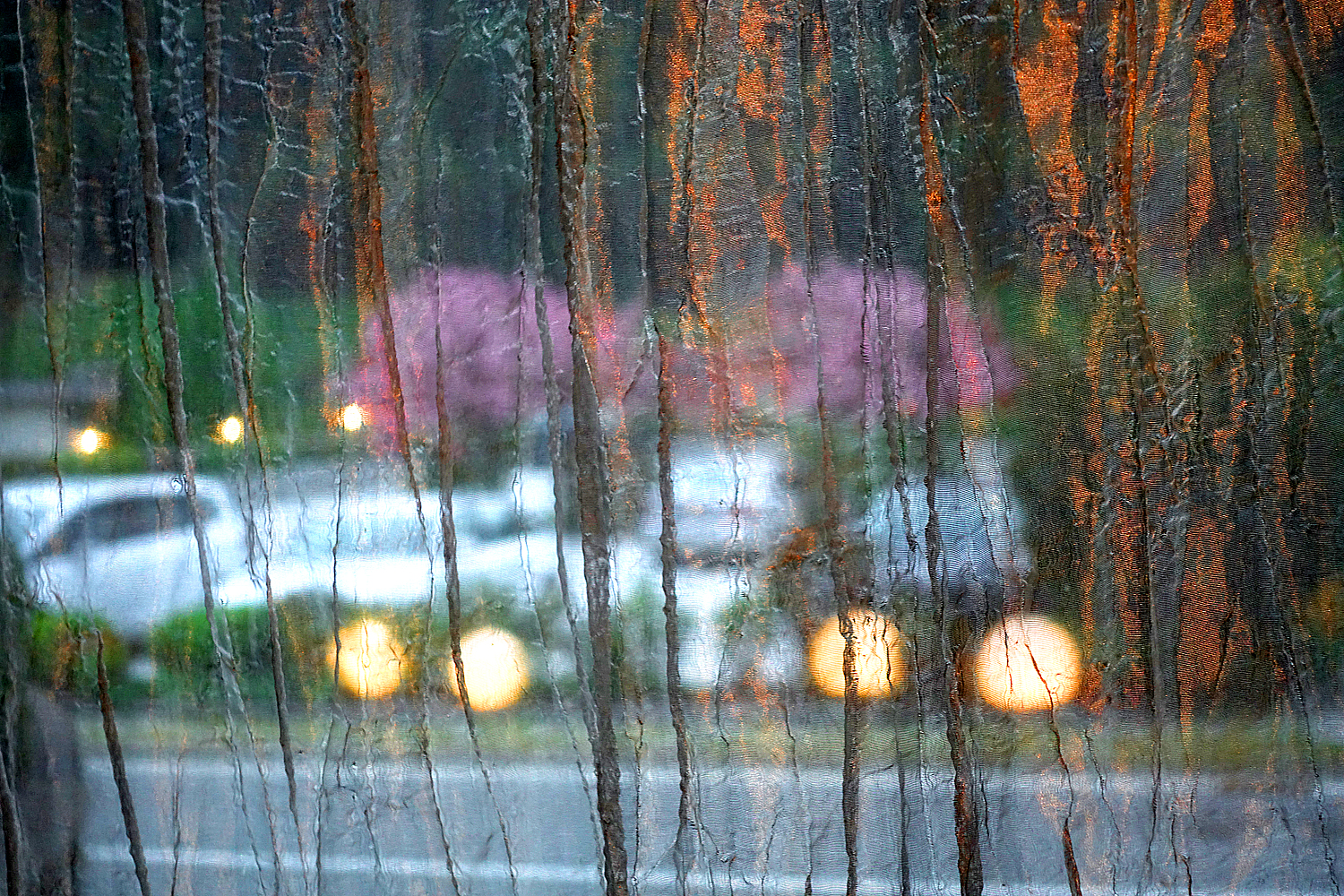
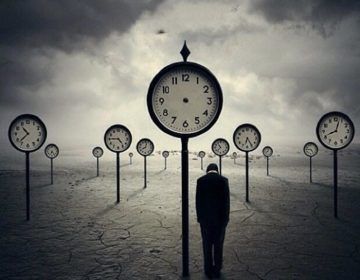 In the last two decades I have been to China many times, mostly for lectures and conferences primarily in Beijing and Shanghai. Of course, compared to what I saw in my first visit in 1989, China has undergone a dramatic economic transformation. The most dazzling of commonly visible changes are in infrastructure, highways, skyscrapers, bullet trains, airports, etc. There are parts of Shanghai now, say the eye-catchingly rich Pudong district, where once coming out of my hotel for a moment I was confused if I was really anywhere near the Shanghai city I had seen before. My academic colleagues tell me that the pay scales in top universities are now almost the same as in America, in order to attract top talent back to China. Chinese airports and high-speed trains are certainly more advanced than the ones you see in most American cities. My Chinese students in Berkeley have often told me that in application of digital technology in daily life (particularly in retail trade and local transportation and communication) they are struck by how backward the US is compared to China.

 Twitter is toxic, suggests autocomplete; Twitter is an echo chamber, or at best a waste of time. Twitter is a hotbed of political factionalism. Twitter can be a frightening place for people who are harassed or threatened, and it may become more so when a recently announced takeover is complete. The bullying and misinformation and political threat are all real, and they’ve been central to recent discussions about the takeover. But Twitter is a big place, and some of us are there mainly for things we love. Birds, for example, and poems.
 There are two kinds of people in this world: those who find basements scary and those who find attics scary. I suppose there might be some folks (bless their hearts) who are disturbed by both, like those ethereal creatures with one blue eye and one brown. I refuse to countenance the idea of people who have no feelings of unease in either space. To be that well-adjusted, that free from inchoate fear, that grounded in the solid objects of reality—I draw back in horror at the thought. We will leave these hale and pragmatic types to their smoothies and their 401Ks and godspeed to them.
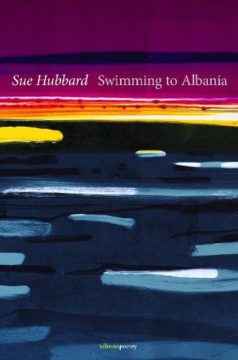 I find Sue Hubbard’s writings to be an invitation to feel sorrowful. And therefore a beckoning towards a search for beauty, an attempt at forgiveness and redemption and reckoning; a belief in the possibility of joy.