
by Mark Harvey
Time gets compressed as you get older. When you’re a kid, a month waiting for summer break can seem like an eternity, whereas later in life, you marvel that just yesterday our forebears were crossing the mountains and steppes of the interior West in horse-drawn wagons. I long to know what it was really like trying to make it from, say, Ohio to California, or Iowa to Oregon in the 19th century. Most of the lore in fiction and the movies flattens the experience into hard men and bonneted women snarling at each other, fighting Indians, and eating grub around the campfire.
But there are a few surviving accounts from men and women who made the crossing and, despite long, long days on the trail, setting up camp, and tending to children and livestock, managed to jot down some of their thoughts and impressions along the way.
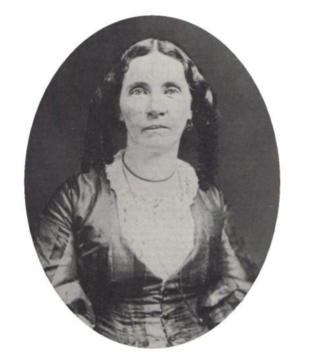
One of those women was Amelia Stewart Knight, who set off with her husband and seven children from Monroe County, Iowa, on April 9, 1853, for Oregon Territory. Her journal entries are terse and thus compress her interiority. But the hardships and disasters of the trip itself speak in themselves. And because they are so few, the entries when Amelia expresses hurt or despair are touching.
She begins her diary, “Started from home about 11 o’clock and traveled 8 miles and camped in an old house; night cold and frosty.”
I don’t know why Amelia, her husband, and her brood left Iowa, but Monroe County in 1853 had to have been almost impossible. Whites had barely settled it; malaria (known then as “the shakes”) and cholera were rampant, and massive storms and floods in 1851 had wiped out grain and lumber mills along the riverbanks. The floods and disease would have aggravated an already marginal existence.
And Oregon Fever was calling: thousands of people were on the move to realize the promise of free land and a temperate climate in the Pacific Northwest. Read more »