
 Anthony Paletta in The Boston Review:
Nearly everything is exasperating about the debate surrounding the Trump administration’s draft executive order, “Making Federal Buildings Beautiful Again.”
The foremost problem is the order itself. An intemperate jeremiad against modernist architecture, it proposes that “the classical architectural style shall be the preferred and default style” for government buildings in Washington and for federal courthouses; the subsequent fine print is designed to ensure that exceptions would be difficult and unlikely. The order first nails its list of grievances to the door of Marcel Breuer’s Brutalist Hubert Humphrey building. It then proceeds to derogate federal architecture over the last fifty-eight years in support of its argument that the government has “stopped building beautiful buildings that the American people want to look at or work in.”
The draft has provoked well-warranted opposition from a chorus of critics: every conceivable architectural professional organization, historic preservationists, architectural historians, and a wide range of others. Most of this response has been sound and reasonable; some has been intemperate and outlandish. The order’s exaggerated contempt for modernism as a willful and deliberate assault on beauty has provoked similarly overheated charges identifying neoclassicism as a vessel for fascism, white supremacy, and genocide. In this, the Trump administration has displayed its typical incendiary skill at pouring accelerants onto any squabble, inflaming ground that has largely managed, until now, to escape the pitched battles of the ever-widening culture wars.
More here.
 Jeremy Rossman in The Conversation:
 Greg Valliere of AGF Investments over at the firms’ website:
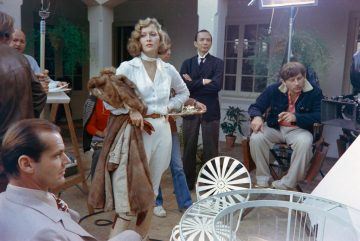 Fifty years ago, the screenwriter Robert Towne said to his girlfriend, “I want to write a movie for Jack.” He meant Nicholson — in those days, and possibly even now, there is only one Jack — who had just had his breakout role in “Easy Rider.” “A detective movie,” Towne explained. “Maybe Jane Fonda for the blonde.” He knew he wanted to set it in Los Angeles before the war, like a Raymond Chandler novel. But that was about the extent of it. When he told Nicholson, the actor naturally asked, “What’s it about?”
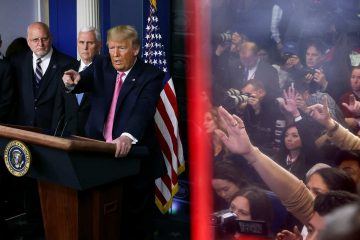 What we are seeing right now is the collapse of civic authority and public trust at what is only the beginning of a protracted crisis. In the face of an onrushing pandemic, the United States has exhibited a near-total evacuation of responsibility and political leadership — a sociopathic disinterest in performing the basic function of government, which is to protect its citizens.
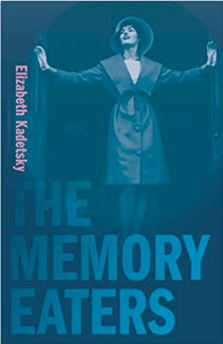 The Memory Eaters is told in the context of 1970s and 1980s New York City. The memoir moves from her parents’ divorce to her mother’s career as a Seventh Avenue fashion model and from her sister’s addiction and homelessness to her own experiences with therapy for post- traumatic stress disorder. The Memory Eaters is about consciousness fractured by addiction and dementia, and a compulsion for the past salved by nostalgia. More can be found at
 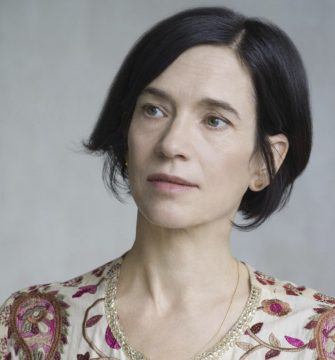 Elizabeth Kadetsky: Coming of age in the 1970s, I was exposed, through my mother, to a lot of what you might call groovy spirituality that enshrined this idea that you would find truth if you just relaxed your brain enough to let it come to you. This was the thinking behind the versions of so many of the trendy ideologies that we adopted: I Ching, astrology, Ouija Board, palm reading. I don’t think that we believed in the magic of any of these systems in the least. The idea was that these were all tools that helped you get more in tune with your subconscious. So, my mother’s ideas about “watching” definitely came out of that, that there was a sort of divine intelligence that you could tap into through paying close attention in both dream and waking life. It’s funny because when I think about it now I see the pitfalls of this mindset, especially for the writer.
 Japan is reporting its first case of a person becoming reinfected with the coronavirus after showing signs they had fully recovered,
  Across the globe, a
 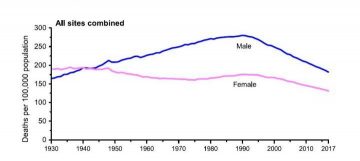 This year’s report showed that
  Probably this is not the end of the world. But a plague is creeping around the globe at a seemingly exponential rate, killing some of us and affecting all of us. And this pandemic is only the most recent and most sudden of a series of afflictions facing humanity. We are rapidly replacing our natural habitat with one that is, on the one hand, made by human beings, and, on the other, proving difficult for us to manage—a situation we euphemistically refer to as “climate change.” On the political front, the past decade has seen a rise in civil unrest worldwide, and the leaders of a number of countries have given us reason to be less optimistic than we used to be about the prospects for global democracy. Given the ever-cheapening technology, weapons—including those of mass destruction—must be proliferating unnoticed. And all of the above is happening against a backdrop of low economic growth and stagnant wages, at least for most of the world’s wealthiest countries.
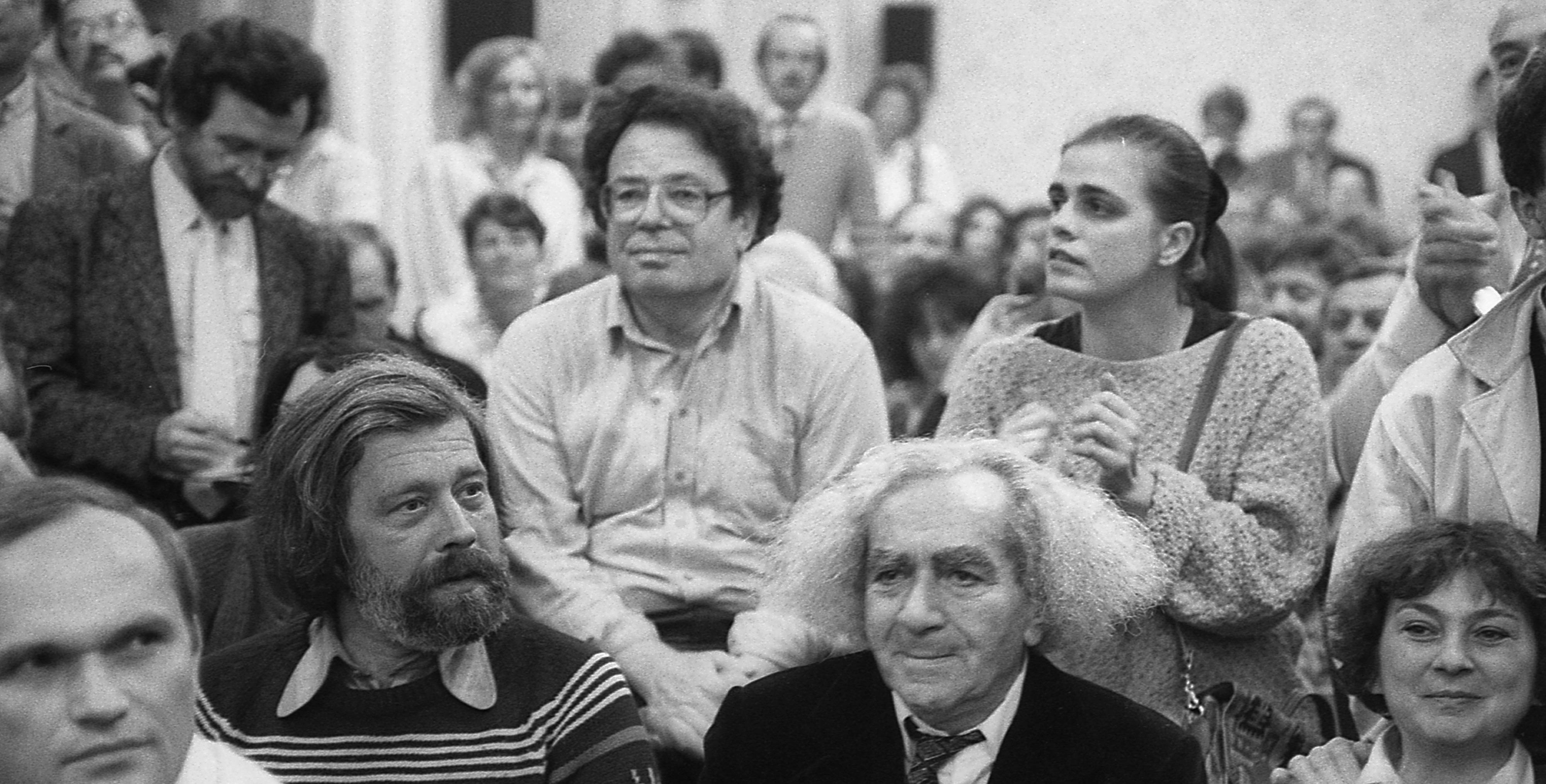 György Konrád passed away after prolonged illness on September 13, 2019, at the age of 86, two days after the architect László Rajk Jr. (who had just turned 70) and less than two months after the philosopher Ágnes Heller at the age of 90. The departure of three prominent Hungarian public intellectuals admired in Hungary and the world over has led commentators — perhaps especially since these deaths came so soon after those of Imre Kertész and Péter Esterházy — to mark “the passing of a key intellectual generation” and even “the end of an era.”
 How to Keep Your House from Becoming a Disaster Area
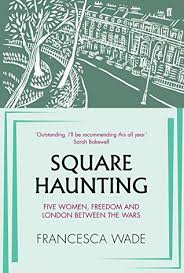 Think of Bloomsbury and what might spring to mind is its “orderly profligacy and passionate coldness”. (The phrase is Elizabeth Hardwick’s, in one of her early essay/reviews for The New York Review of Books.) But there was always more to Bloomsbury than this suggests. First came the actual geographical locality – the streets and squares and architecture of a part of central London – and then the associations imposed on top of it: literary, scholarly, urbane or bohemian. Bloomsbury as an idea continues to reverberate, in ways both gossipy and profound. Bedazzling sexual intrigues and a spot of intellectual hauteur are only a part of it. And however many words have been expended on Bloomsbury (and there have been a lot), there is always more to be said. Francesca Wade’s superbly engaging Square Haunting takes up the theme, but at the same time narrows and intensifies its focus. Wade homes in on a single square, Mecklenburgh Square, which is not at the heart of the potent locality but rather on its periphery.