
From Nature Research:
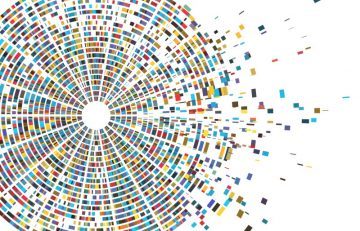 With the refinement and reduced cost of sequencing technology, science has reached another inflection point: population-scale genomics, where clinical-grade assays can be used to advance healthcare, while fueling research. The Healthy Nevada Project (HNP) epitomizes that movement. A population health initiative run by the Renown Institute for Health Innovation (Renown IHI), a partnership between Renown Health and the Desert Research Institute, the project aims to combine genomic, environmental and medical data from 250,000 participants to assess the influence of genetics on health and disease. The study also uses sequencing data to screen participants for medically actionable genetic conditions, such as familial hypercholesterolemia (FH), hereditary breast and ovarian cancer syndrome (HBOC), and Lynch syndrome (LS).
…In July, Helix and the HNP team reported findings from the first 27,000 participants in an article published in Nature Medicine1. Among HNP participants, the researchers found that approximately 1 in 75 carried a variant predisposing them to HBOC, LS, or FH. Of those predisposed, nearly 22 percent had already begun to develop symptoms of disease. Importantly, 90 percent of those with medically actionable results would not have known about their increased risks for disease had they not participated in the study; patients often don’t qualify for genetic screening under current clinical guidelines.
More here.
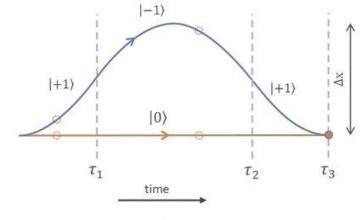 A group of theoretical physicists, including two physicists from the University of Groningen, have proposed a ‘table-top’ device that could measure gravity waves. However, their actual aim is to answer one of the biggest questions in physics: is gravity a quantum phenomenon? The key element for the device is the quantum superposition of large objects. Their design was published in New Journal of Physics on 6 August.
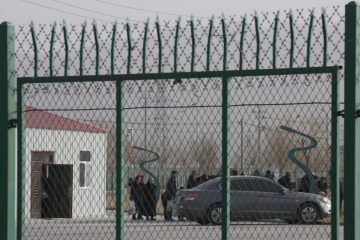 Qelbinur Sedik has witnessed wanton cruelty, gratuitous violence, humiliation, torture, and death meted out to her people on an unimaginable scale — but has been forced to keep the crushing secret until now.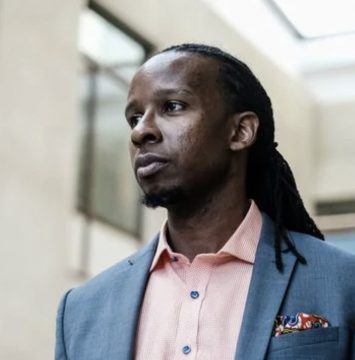
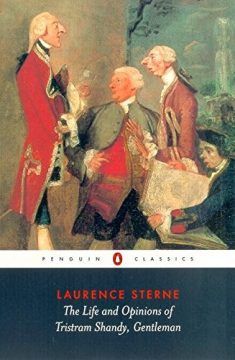 TRISTRAM SHANDY sailed into eighteenth-century literary history alongside such bawdy picaresques as Tom Jones. But unlike the rest Laurence Sterne’s creation is an antinovel: It starts and stops, has entire pages that aren’t even text—blank or solid black or marbled or filled with lines and swirls that indicate the wayward shapes of the narrative (at such moments it seems like what Sterne really is is a concrete poet). On the occasions when the author doesn’t want you to know what naughty thing he’s saying (though he quit being a minister to write, Sterne was still a modest man) there are heaving piles of asterisks. By such means—explained in an insanely arch but persistently conversational manner—you get that the book in your hands is alive and it will turn any whimsical damn way he wants. Laurence Sterne is a funny guy and there is a devastating presentness to this work.
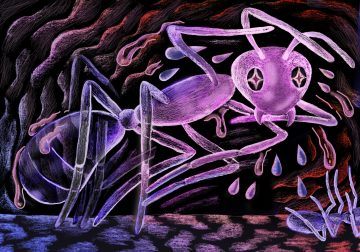 Every corpse is an ecosystem. Each fallen bird, landed fish, beached whale, decomposing log, plucked flower is destined to change from a conglomerate of giant molecules, the most complex system in the universe known, into clouds and drifts of much smaller organic molecules. The process of decay is driven by scavengers, in nature beginning with vultures and blowflies and ending with fungi and bacteria. What do ants do with their dead? In many species, if a colony member is badly injured in the field it is carried home and eaten. If injured only moderately, it may be allowed to live and heal. Most ant warriors that die in battle outside the nest never return. They instead fill the jaws and beaks of predators. An ant that dies from old age or disease inside the nest simply comes to a standstill or else falls to the side with her legs crumpled up. In most cases, she is allowed to stay in place. After, at most, a few days, a nest mate picks her up and carries her out of the nest or to a refuse pile in one of the chambers within the nest. In this cemetery chamber is also dumped miscellaneous refuse, including the inedible remains of prey. There is no ceremony. It occurred to me early in my studies of chemical communication in ants that the bodies of the dead are likely recognized by the odor of their decomposition. Of all the substances uniquely present in dead insects, one or more must be the signal that triggers corpse disposal by ants. If live ants demonstrably use such molecules to release other instinctive social behavior in the service of the colony, why not in death also?
 Lance Taylor in INET Economics:
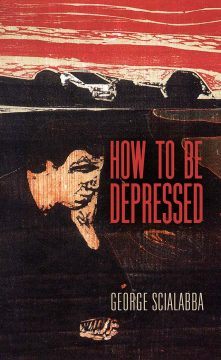 Gerald Russello in LA Review of Books:
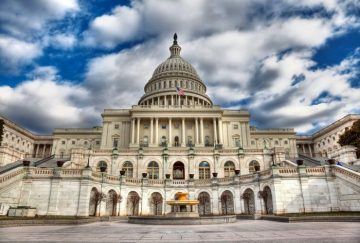 Felicia Wong in Boston Review:
 An interview with Laleh Khalili in Phenomenal World:
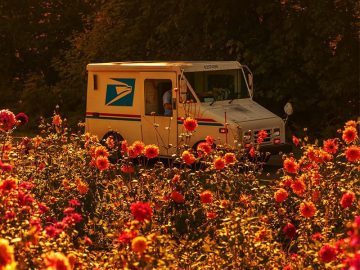 From 1753 to 1774, as he oversaw Britain’s colonial mail service, Benjamin Franklin improved a primitive courier system connecting the 13 fragmented colonies into a more efficient organization that sped deliveries between Philadelphia and New York City to a mere 33 hours. Franklin’s travels along the post roads would inspire his revolutionary vision for how a new nation could thrive independent of Britain. But not even he imagined the pivotal role that the post would play in creating the Republic. By the early 1770s, Franklin’s fellow patriots had organized underground networks, the Committees of Correspondence and then the Constitutional Post, that enabled the founders to talk treason under the British radar. In 1775, before the Declaration of Independence was even signed, the Continental Congress turned the Constitutional Post into the Post Office of the United States, whose operations became the first—and for many citizens, the most consequential—function of the new government itself.
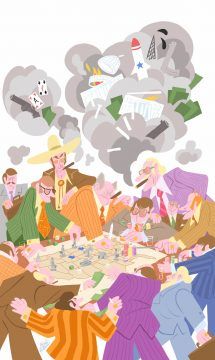 It used to be called the New World. Now it’s run by a man who wants to make it great “again.”
 When I was a teenager I read James Thurber’s Secret Life of Walter Mitty. I fell in love with this story of a meek, middle-aged Connecticut man whose daydreams afford him temporary escape from a dreary shopping trip with his overbearing wife. Maybe it was because I was an incorrigible daydreamer too. Or maybe I read in his fantasies of being a fearless Navy commander, a world-famous surgeon, or a brandy-swilling bomber pilot a sense of my own opportunities in life, at that point still wide open if you left my gender out of it. Unlike Walter Mitty, I could still learn anything, be anyone.
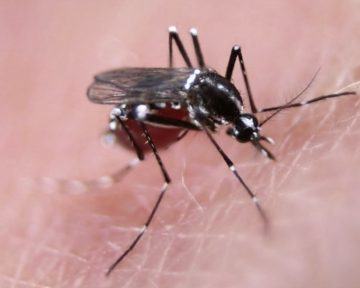 A plan to release over 750 million genetically modified mosquitoes into the Florida Keys in 2021 and 2022 received final approval from local authorities, against the objection of many local residents and a coalition of environmental advocacy groups. The proposal had already won state and federal approval.