
Michael Safi in The Guardian:
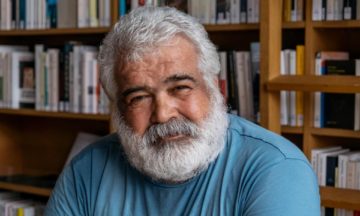 Khaled Khalifa is a Syrian novelist, poet and screenwriter whose work has been awarded the Naguib Mahfouz medal for literature, one of the Arab world’s highest literary honours. His soulful, often wry stories traverse time but are centred on the Syrian city of Aleppo, near where Khalifa was born in 1964, and once one of the world’s great cultural and trading hubs.
He studied and spent his early career in the city, but has lived in Damascus since 1999, one of the few writers who stayed throughout the country’s appalling civil war. He has tried to write about the Syrian capital, he said, but keeps finding himself drawn back to his home city. “After 50 pages, I felt it was not good writing,” he said. “I don’t know the fragrance of Damascus. So I turned back to Aleppo, and I accepted: OK, this is my place. I’ll write all my books about Aleppo. She is my city and resides deep in myself, in my soul.”
While Khalifa was writing his new book, No One Prayed Over Their Graves, Aleppo was comprehensively destroyed in fighting between the Syrian government and rebels. His work is banned in Syria.
More here.
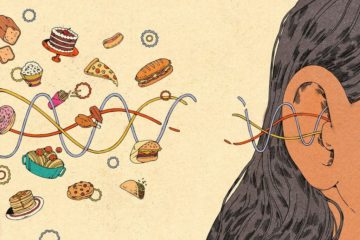 Until she started taking the weight loss drug
 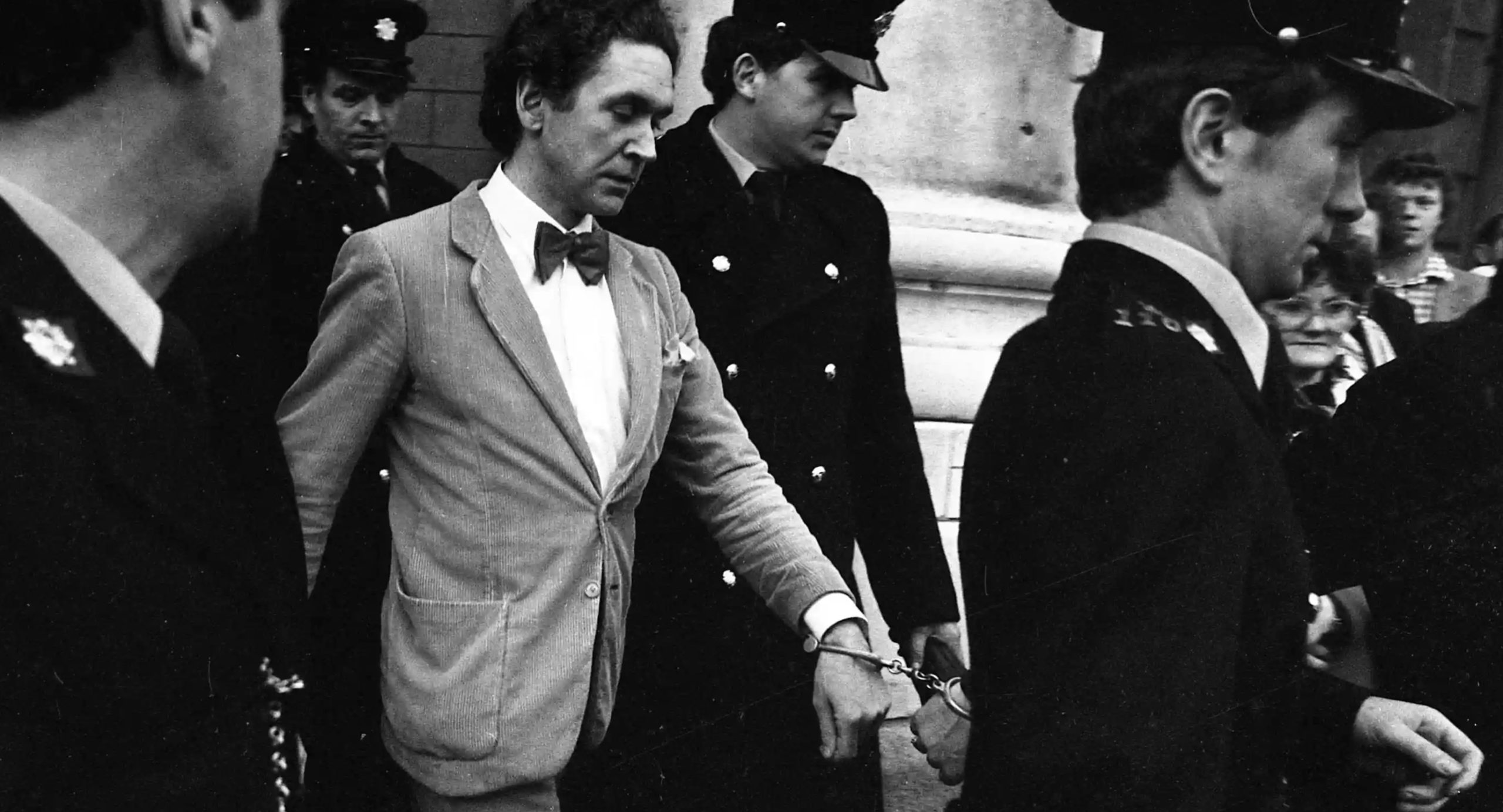 Among Irish people old enough to remember the summer of 1982, Malcolm Macarthur is as close to a household name as it is possible for a murderer to be. He grew up in County Meath in the east of
  For every dollar of petrol you put, you get just 20 cents’ worth of driving motion. The other 80 cents is wasted along the way – most of it as heat from the engine.
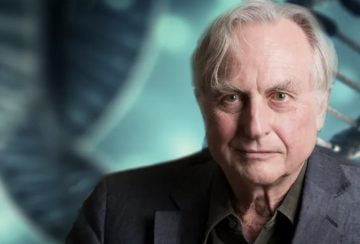 The collective power endowed by language is captured in the legend of the Tower of Babel, where it threatened even God himself. “Go to,” God said, “Let us go down, and there confound their language, that they may not understand one another’s speech.” And lo, as a result of quasi-evolutionary divergence, we speak many thousands of mutually unintelligible tongues, the exact number undefined, mostly because dialect grades into language so we can’t decide where one language ends and the next begins. This smearing out is seen both across geographical space (think English worldwide) and through historical time as languages evolve through the centuries (try reading Chaucer). Nevertheless, because language is partly digital, chunked into the discrete semantic units that we call words, it is capable of great fidelity of transmission, especially in written forms. Yet, despite being thus capable, precious little verbal information from our dead ancestors filters down.
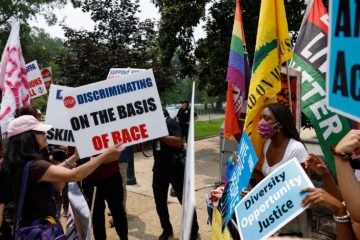 A few years ago, I listened to Jim Yong Kim, then the President of the World Bank, address the Milken Global Conference, a gathering that is about as plutocratic as it sounds. At the start of his remarks, Kim told the multimillionaires and billionaires who made up the bulk of the audience an anecdote, which he seemed to consider charming, about how he got his job.
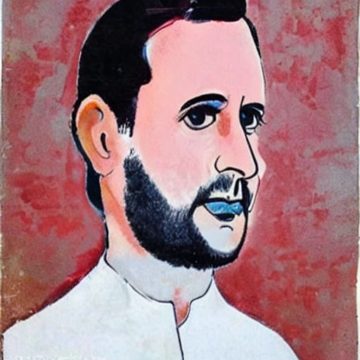 Aditya Bahl in Sidecar:
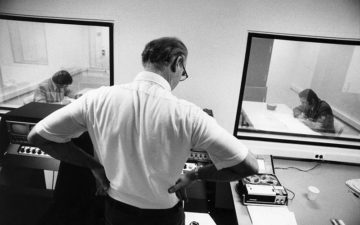 Gavin Evansi in Aeon:
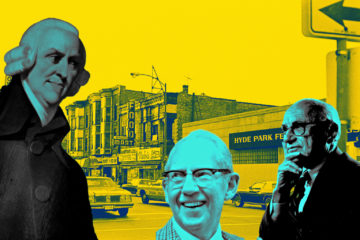 Jonathan Levy in Boston Review:
 1. ‘It’s kind of crazy to shop at Target, watch Netflix, drive a Honda, and still have a husband.’
 The controversies of late over the perils and promise of generative AI have raised anew the philosophical question of where technological sovereignty ends and human autonomy begins. Will the super-intelligent capacities of the putative servant we have invented end up being our actual master?
 I
I