
Simon Torracinta in the Boston Review:
 When Bernie Sanders was asked in a 2016 Democratic presidential debate what “democratic socialism” meant to him, he responded that we should “look to countries like Denmark, like Sweden and Norway.” Hillary Clinton was unequivocal in her reply: “We are not Denmark.” Yet Sanders kept the line, and his odes to the shining example of Nordic social democracy remained an exhaustive refrain throughout his 2016 and 2020 campaigns. The theme was unsurprising: ever since 1936, when Franklin Roosevelt hailed Sweden’s “middle way” between capitalism and communism, Scandinavia has been a fixture in the American left-liberal imaginary.
What’s not to like about Sweden?
More here.
Enjoying the content on 3QD? Help keep us going by donating now.
 In 2021,
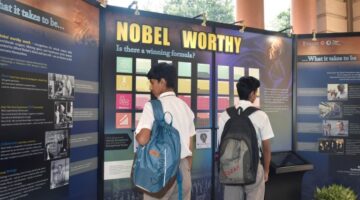 The Nobel prize has been awarded in three scientific fields —
 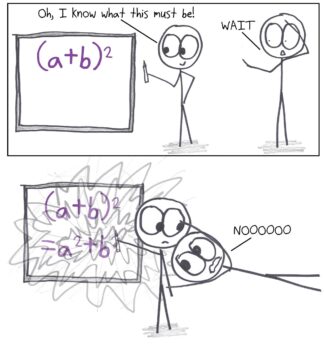 Ars Technica: People who are not mathematically inclined usually see all those abstract symbols and their eyes glaze over. Let’s talk about the nature of symbols in math and why becoming more familiar with mathematical notation can help non-math people surmount that language barrier.
  The climate debate is in a strange place. We’re told we face an epochal, civilization-ending calamity within our lifetimes. But when scientists bring up unconventional new ways of managing that risk, we’re told we mustn’t even talk about them.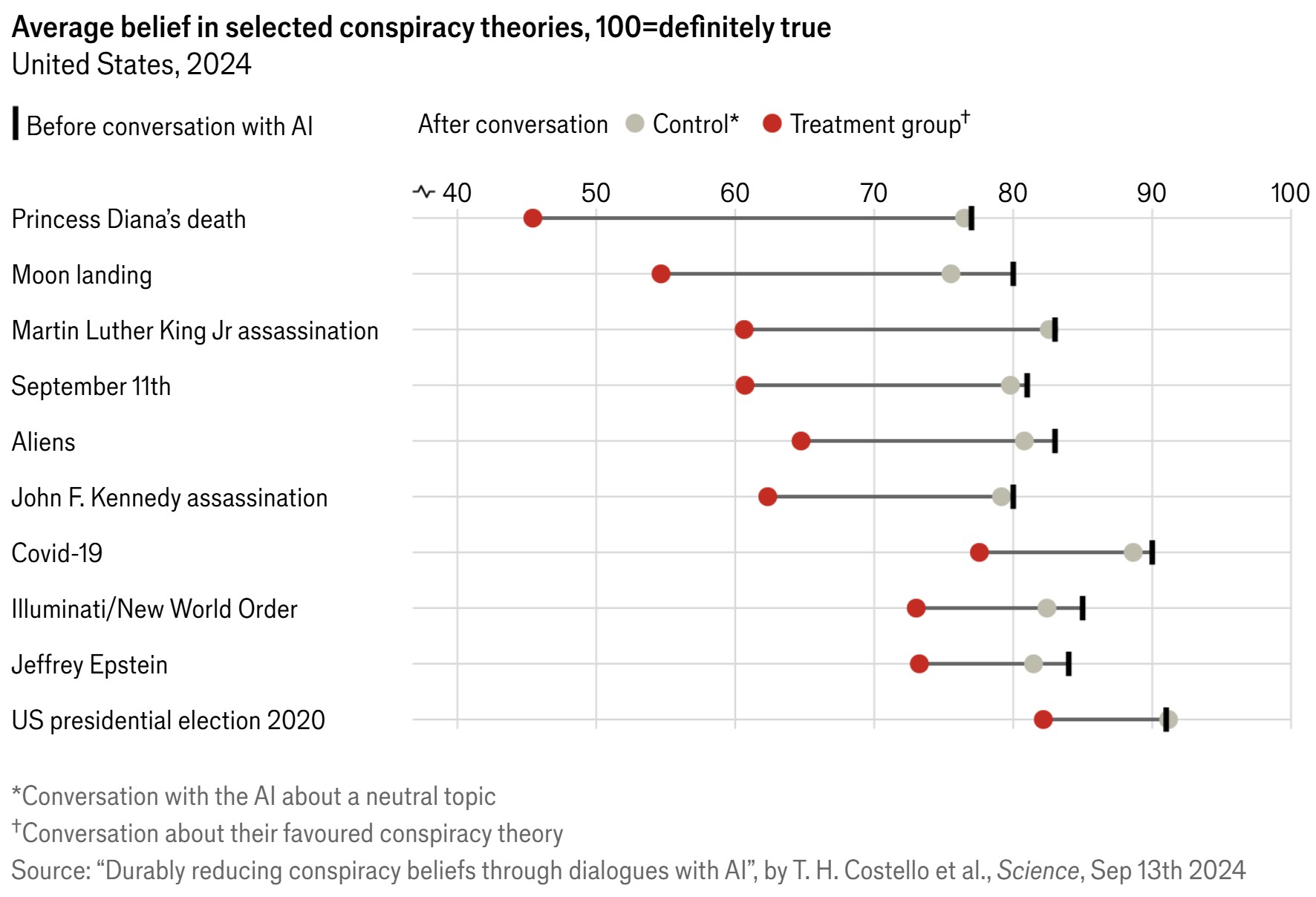
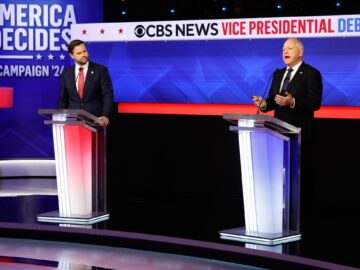 Vice-Presidential debates are normally for the archives: the transcript gets recorded and then filed away. Strain your memory and try to recall: Who won the debate between John Edwards and Dick Cheney? Biden-Ryan? Even Harris-Pence, just four years ago? In the rush of the Presidential race, these events were simply speed bumps. The best way to approach Tuesday night’s version was with a certain measure of historically earned skepticism. Was there any reason to think that this Vice-Presidential debate would actually matter—would even be remembered—by Election Day, now a little more than a month away, when so few have in the past?
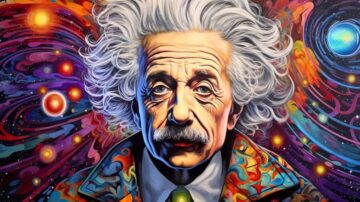 Scientific breakthroughs rely on decades of diligent work and expertise, sprinkled with flashes of ingenuity and, sometimes, serendipity. What if we could speed up this process?
 The first time I tried to write this essay, I failed. It was the middle of the pandemic—a time in which uncountable numbers of introspective personal essays were written to no apparent end—and I watched Sans Soleil, director Chris Marker’s dreamlike 1983 travelogue. I was working at a marketing agency at the time, suffusing strategic briefs with literary ambition, and something about the way Marker’s film faded from documentary to sci-fi to philosophical reverie ignited long-dormant neurons in my brain. Sleeper cells dissatisfied with a life in service of internet content and client work assembled. They blew up access tunnels and sabotaged meeting preparation protocols. I wrote something big and haunted about my experience as a writer and intended to publish it, in an act of vainglorious career suicide, on LinkedIn.
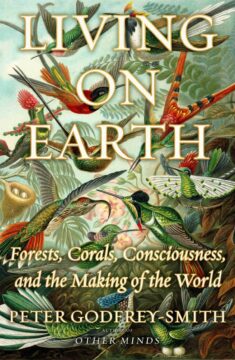 P
P I first met
 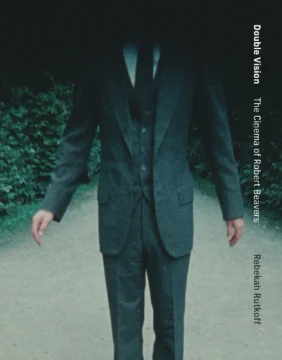 Though the history of experimental film is rife with iconoclastic visionaries, Robert Beavers somehow remains one of its under-sung heroes. Together with his partner, Gregory Markopoulos (1928–92), Beavers developed an approach to cinema defined by its singular and uncompromising rigor, yielding a body of work celebrated as much for its poetic beauty as its complex formal investigation of the filmmaking apparatus. While continuing to make films to this day, Beavers also helms the Temenos, an open-air theatre in Lyssaraia Greece, dedicated to screenings of Markopoulos’s sprawling magnum opus, Eniaios (1947–91).
 I
I W
W