
Elizabeth Quill in Nature:
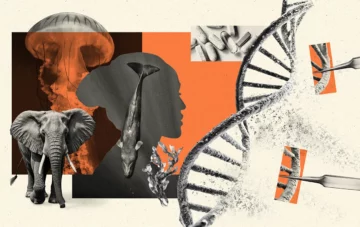 Your DNA is under constant assault. Ultraviolet light, environmental toxins, reactive molecules made during run-of-the-mill metabolism and many other disruptors muck with the instructions that keep life humming along. Thankfully, repair crews are at the ready. A typical cell can acquire up to a whopping 100,000 lesions each day. “The vast, vast majority are repaired,” says Morten Scheibye-Knudsen, a translational geroscientist at the University of Copenhagen. “We have very, very efficient repair.” That’s a good thing for a couple of reasons. First, unrepaired or poorly repaired damage can introduce mutations, which can contribute to cancer. And second, DNA damage seems to be one of the main drivers of ageing.
Researchers are amassing evidence that this type of damage underlies many of the hallmarks of ageing, including chronic inflammation, metabolic malfunctions and protein-folding problems1. Such damage triggers cellular alarm bells that can promote inflammation, force cells into an ‘undead’ state known as senescence and even kill them. These responses help the body to grow and thrive, but they become more problematic as we age. The accumulation of beleaguered cells over time is associated with many age-related conditions, including cardiovascular disease, osteoporosis and Alzheimer’s.
More here.
Enjoying the content on 3QD? Help keep us going by donating now.