by Ashutosh Jogalekar
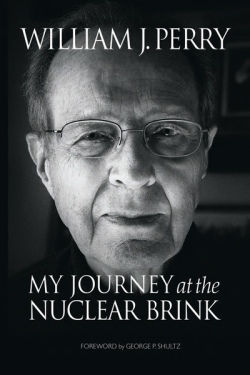
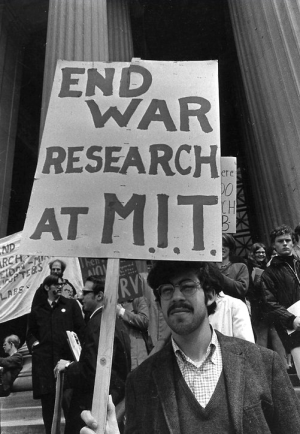
The Second World War was a transformational conflict in terms of applying the techniques of statistics and engineering to war problems. In many ways the war belonged to technocrats like McNamara and Vannevar Bush who was one of the leaders of the Manhattan Project. The success that these technocrats achieved through inventions like radar, the atomic bomb and the development of the computer were self-evident, so it was not surprising that scientists became a highly sought after voice in the corridors of power after the war. Some like Richard Feynman wanted nothing to do with weapons research after the war ended. Others like Robert Oppenheimer embraced this power. Unfortunately Oppenheimer’s naiveté combined with the beginnings of the Cold War generated paranoia and resulted in a disgraceful public hearing that stripped him of his security clearance.
After McNamara was appointed to the position by Kennedy, he began a tight restructuring of the defense forces by adopting the same kinds of statistical research techniques that he had used at Ford. Some of these techniques go by the name of operations research. McNamara’s policies led to cost reduction and consolidation of weapons systems. He brought a much more scientific approach to thinking about defense problems. One of his important successes was to change official US nuclear posture from the massive retaliation adopted by the Eisenhower administration to a strategy of more proportionate response adopted by the Kennedy administration. At this point in time McNamara was playing the role of the good technocrat. Then Kennedy was assassinated and the Vietnam War started. Lyndon Johnson put pressure on McNamara and his other advisors to expand American military presence in Vietnam.