
Joel Whitney in Jacobin:
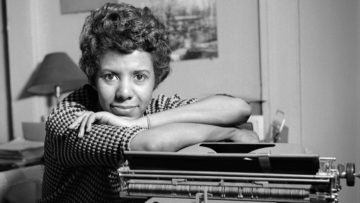 In May 1963, in a Kennedy family living room on Central Park South, Lorraine Hansberry tried to defend civil rights activists’ safety. The Raisin in the Sun playwright had come along with actor Harry Belafonte, author James Baldwin, and other luminaries at the invitation of Robert F. Kennedy and Baldwin. She listened as activist Jerome Smith tried to impress upon the attorney general the level of violence protesters were facing in the South. Smith had come straight from the Freedom Rides for medical treatment on his jaw and head, having been beaten in Birmingham.
The young unknown activist spoke first among the prestigious attendees. He chided Kennedy for not doing enough to protect protesters. On television and in newspapers around the world, it was clear that African American protesters were routinely punched, kicked, spat upon, clubbed, hosed, and had police dogs sicced on them. For what? Wanting to vote? Equal protection? Just being there, he said, made him sick at the administration’s inaction.
When Kennedy turned away from Smith — as if to say, “I’ll talk to all of you, who are civilized. But who is he?” — Hansberry “unleashed,” Imani Perry writes in her recent biography. There were many accomplished individuals in the room, Hansberry said, but Smith’s was the “voice of twenty-two million people.” Kennedy should not only listen; he should give his “moral commitment” to protect those like Smith.
More here.
 Most of the alien civilizations that ever dotted our galaxy have probably killed themselves off already.
 Countless writers, with varying degrees of success, have reimagined the life of Jesus Christ. As my colleague
  On April 10, 1805, in honor of the Christian Holy Week, a German immigrant and conductor named
  Lindsay Beyerstein in Vice:
 Jesse McCarthy and Jon Baskin in The Point:
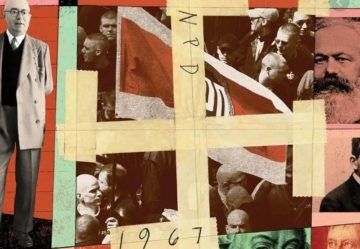 Peter Gordon in The Nation:
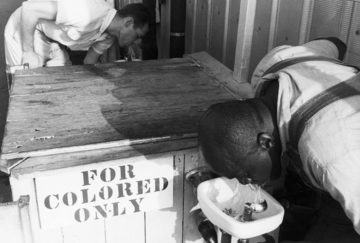 Charisse Burden-Stelly in Boston Review:
 The New Left Review has introduced a blog, Sidecar. Wolfgang Streeck in Sidecar:
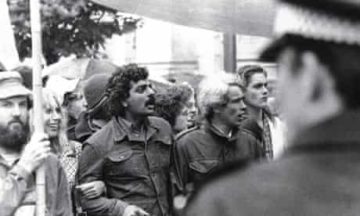 Stefan Collini in The Guardian:
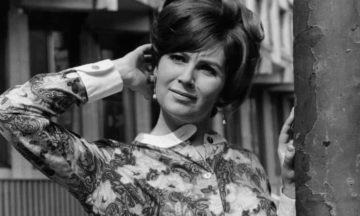 Most people approaching their 90th birthday would be forgiven for deciding that, whatever their work, enough was enough and it was time to relax. Most people, however, are not
 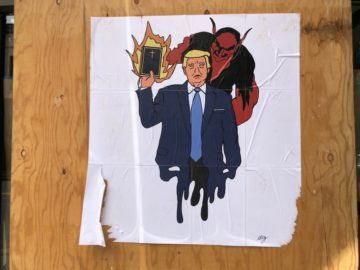 Ten years ago, a hawker in Tunisia set himself on fire, which
 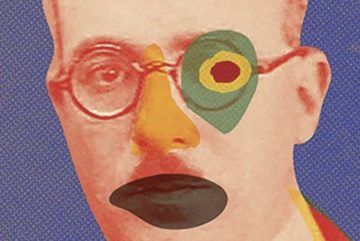 I was in Australia on the tail-end of my eastern book tour, the Last Book Tour perhaps, one that had taken me to Indonesia and Bangladesh earlier, when the plague, after circling for months, dove in for the kill. I left perhaps a week before Australia locked down and have wondered what would have happened if I got stuck Down Under, a world unfamiliar in ways I did not expect. During the tour, however, I spent time on the periphery of stages and outside hotel lobbies, smoking, chatting with local literary rock stars, the likes of Tara June Winch and Christos Tskiolkas. On the plane back home to Karachi, I began Christos’s