
Tom Zoellner in the Los Angeles Review of Books:
 In the view of most historians, the original sin of Rwanda came from the colonial policy of making artificial ethnic distinctions through a caste-like system. Belgian administrators deemed those who were taller and herded cattle, the Tutsis, to be smarter than the Hutu, who were generally shorter and raised crops. So one group got all the privileges of helping the Belgians extract coffee and animal hides and were treated as sub-royals, while their countrymen were deemed slow and stupid. The story was fixed; the Goods and Bads had been preselected, and the inevitable resentments would explode in the 1994 genocide.
Today Rwanda is held up as a shining example of African progress, with a kitchen-clean capital, a booming economy, and a firm lid on internal violence. But in her explosive and devastatingly convincing new book, Do Not Disturb: The Story of a Political Murder and an African Regime Gone Bad, Michela Wrong contends that this is a result of the original sin coming home to roost once more. Western journalists and governments have selected their good guy in dictator Paul Kagame while ignoring his appalling human rights abuses, targeted assassinations, exported violence, and offenses against the rule of law that would be condemned anyplace else.
More here.
 WHAT IS THE POINT
  Few writers have borne witness to the slow-healing bruises of early neglect more memorably than Cynthia Ozick, whose own first novel, “
 Alissa Wilkinson in Vox:
 David Barsamian interviews Noam Chomsky in Boston Review:
 If power were
  Perhaps the most striking political change that occurred during the stormy reign of Donald J. Trump is one his devotees utterly abhorred: the growth of a sizable left outside and inside the Democratic Party. Young radicals and middle-aged white suburban dwellers both flocked to “the Resistance,” under whose militant rubric one could do anything from marching in a demonstration to starting a Facebook page to canvassing for a favored candidate. During his second run for the White House even more than during his first, Bernie Sanders inspired millions of young people of all races to imagine living in a nation with strong unions and a robust welfare state instead of the “neoliberal” order long favored by leaders of both major parties. And, for many Berniecrats, socialism became the name of their desire instead of a synonym for state tyranny.
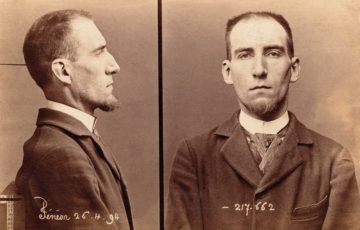 The bulk of Fénéon’s art writing has never been translated. For anglophone audiences, he is probably better known for his “Novels in Three Lines,” a litany of more than one thousand mini-tragedies and absurdities published anonymously in 1906 during the half year he spent writing news items for Le Matin, an American-style mass-circulation newspaper founded by a disciple of William Randolph Hearst. These faits divers, of which Luc Sante published an acclaimed translation in 2007, make for reading that is melancholy but piquant. They include random reports such as “On the left shoulder of a newborn, whose corpse was found near the 22nd Artillery barracks, a tattoo: a cannon.” Or: “The sinister prowler seen by the mechanic Gicquel near Herblay train station has been identified: Jules Ménard, snail collector.”
 Her own motorcycles come to include an orange 500 cc Moto Guzzi, a Kawasaki Ninja and a Cagiva Elefant 650. Her boyfriends tended to be mechanics.
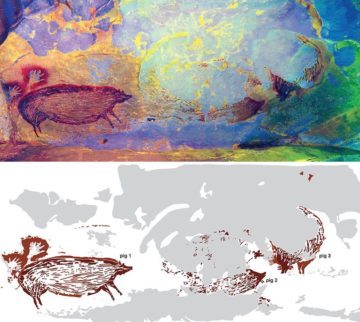 The warty pig in question is a depiction on the inside of a cave in Indonesia. The painting was discovered last year. It was painted, the carbon daters say, about 45,000 years ago. That’s more than 10,000 years older than the famous paintings at the Chauvet Cave in France. Warty pig is, for now at least, the oldest work of representational art, by far, that exists anywhere in the world. 45,000 years. A long time. Also not a long time, geologically speaking. Just a blip. For us, though, for us, a very long time.
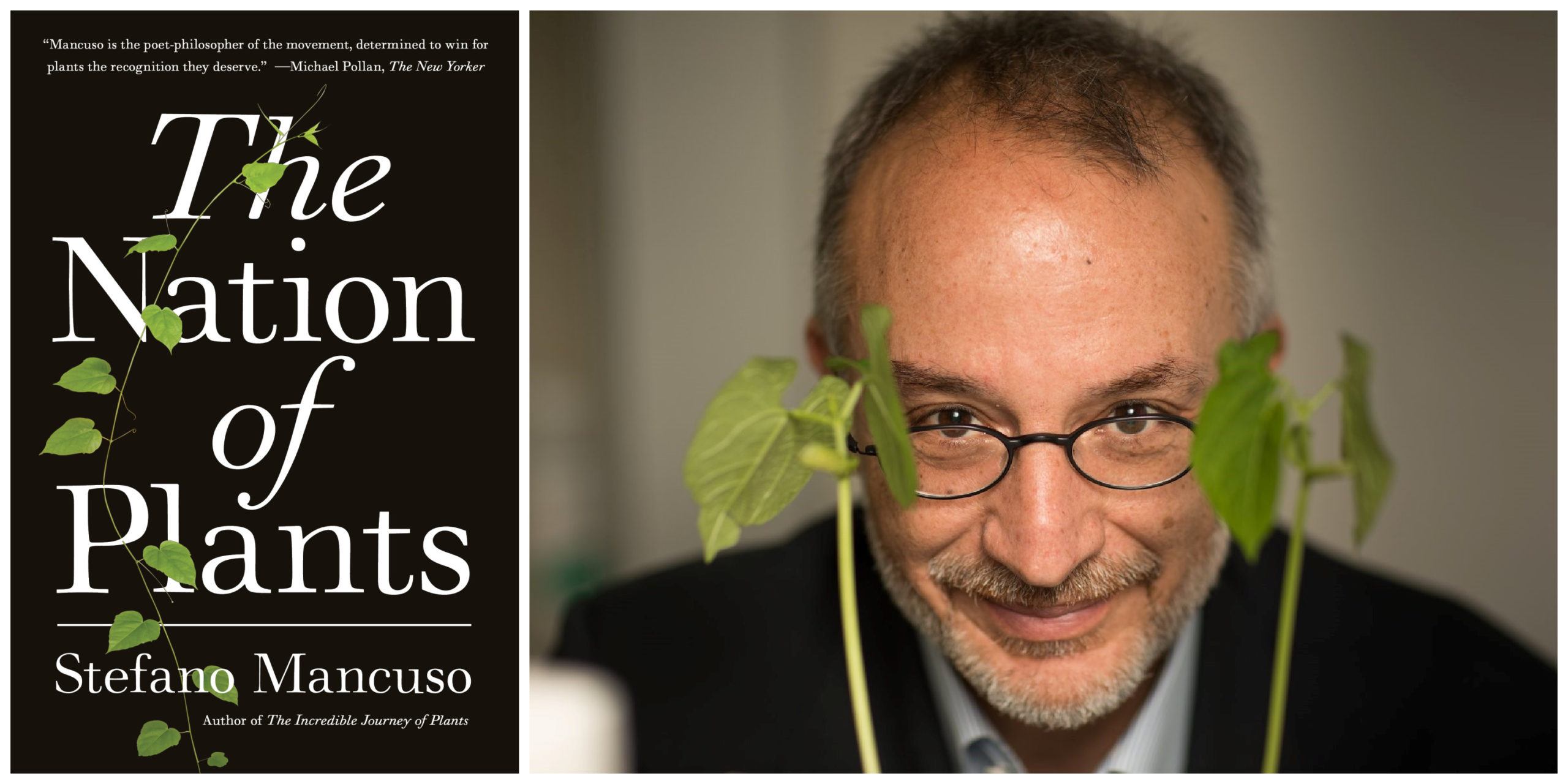 Darwin writes: what animals could you imagine to be more distant from one another than a cat and a bumblebee? Yet the ties that bind these two animals, though at first glance nonexistent, are on the contrary so strict that were they to be modified, the consequences would be so numerous and profound as to be unimaginable. Mice, argues Darwin, are among the principal enemies of bumblebees. They eat their larvae and destroy their nests. On the other hand, as everyone knows, mice are the favorite prey of cats. One consequence of this is that, in proximity to those villages with the most cats, one finds fewer mice and more bumblebees. So far so clear? Good, let’s go on.