
Chia-Wei Hsu at Cabinet Magazine:
 Giant pandas are found in the wild only in a few mountain ranges in China, primarily in Sichuan province, which means that China controls the supply of one of the world’s most beloved animals. Pandas became a key component of China’s diplomatic relations beginning in the mid-twentieth century, with the first instance of such “panda diplomacy”—as the practice of offering the bears as the highest official gift came to be called—occurring in 1941 when Madame Chiang Kai-shek and her sister gave a pair of pandas to the United States in gratitude for assisting the country in its war with Japan. This began a tradition that continued through the Cold War to the present day, with the animal playing a vital role in China’s relationship with countries including Taiwan, Japan, the United States, and the United Kingdom. In 1936, the first living panda arrived in the West. It was brought to the United States illegally by Ruth Elizabeth Harkness, a fashion designer from New York whose husband, William, had died that February in Shanghai while preparing an expedition to capture pandas in Sichuan.
more here.
 Historians will look back and see a point of origin to the current madness, one that explains how a new prime minister could see her administration fall apart in a matter of weeks, even if we struggle to name that cause out loud right now. When the textbooks of the future come to the chapter we are living through, in the autumn of 2022, they will start with the summer of 2016:
  Amid the endless stream of everyday experience, emotion is like a blazing neon tag that alerts the brain, “Yoo-hoo, this is a moment worth remembering!” The salience of the humdrum sandwich you ate for lunch pales in comparison, consigning its memory to the dustbin. Yet emotions regulate our recall of not just our most riveting moments. Researchers now recognize that the same neural mechanisms involved in flashbulb memories underlie recollections along the continuum of human emotional experience. When people view a series of pictures or words in the laboratory, any emotionally laden content sticks in their head better than neutral information.
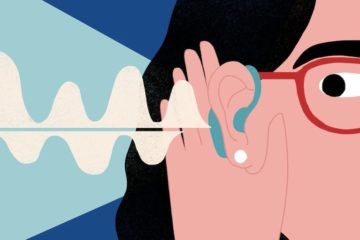 There are many good reasons to take care of your hearing — from the sound of birds chirping to being able to carry on a conversation in a restaurant. But the best reason to take care of your hearing is to take care of your brain. Hearing loss in middle age — ages 45 to 65 — is the most significant risk factor for dementia, accounting for more than 8 percent of all dementia cases, Richard Sima reports in this week’s
  The Seven Moons of Maali Almeida by Sri Lankan author
  Now some computational neuroscientists have begun to explore neural networks that have been trained with little or no human-labeled data. These “self-supervised learning” algorithms have proved enormously successful at
 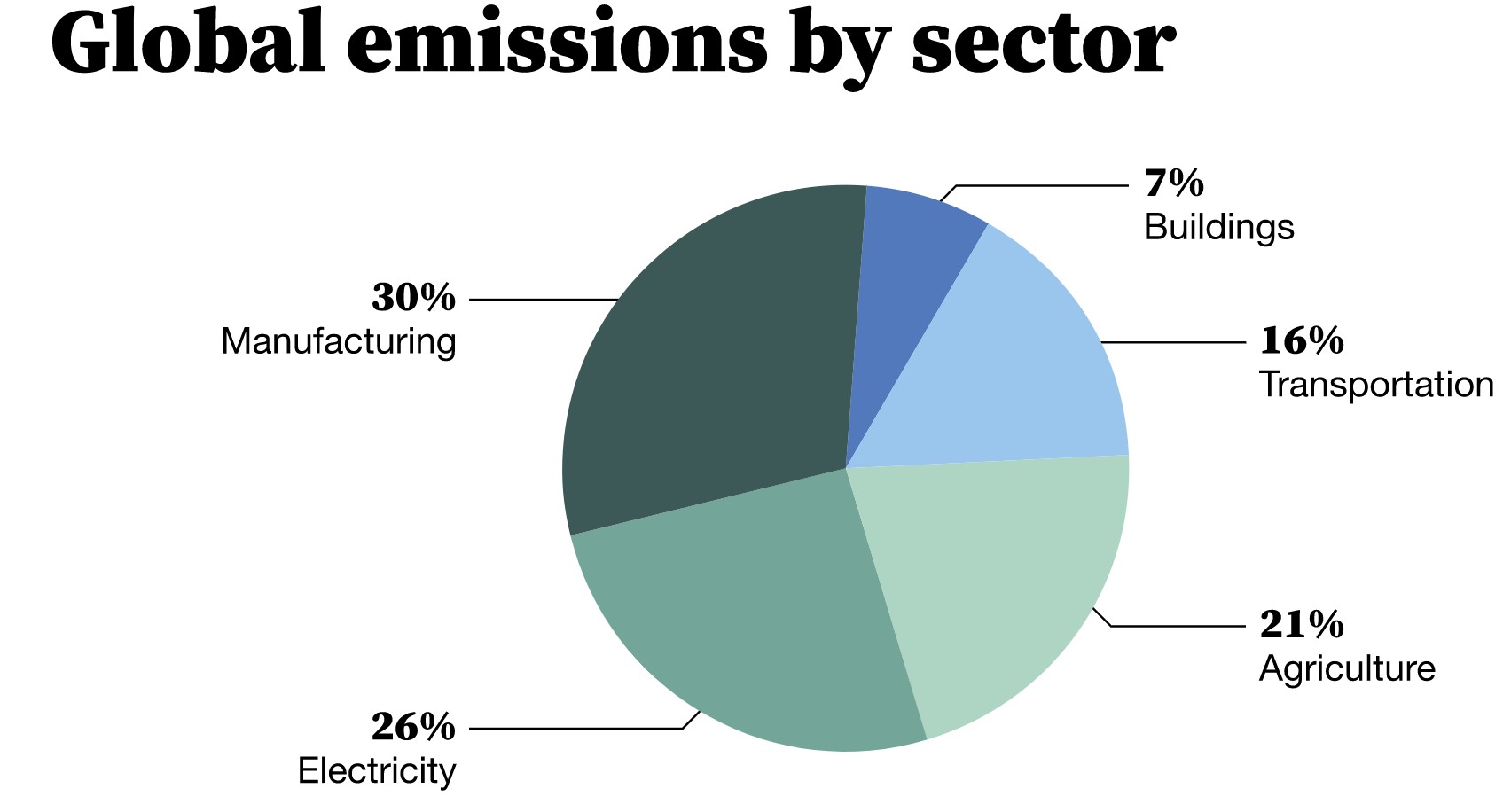 When I first started learning about climate change 15 years ago, I came to three conclusions. First, avoiding a climate disaster would be the hardest challenge people had ever faced. Second, the only way to do it was to invest aggressively in clean-energy innovation and deployment. And third, we needed to get going.
 OVER A DECADE AGO,
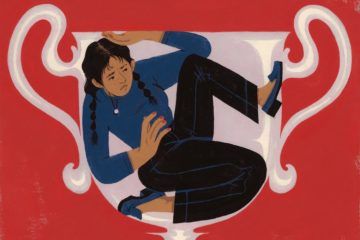 I am a recovering perfectionist.
 Science is “a shared experience, subject both to the best of what creativity and imagination have to offer and to humankind’s worst excesses”. So wrote the guest editors of this special issue of Nature, Melissa Nobles, Chad Womack, Ambroise Wonkam and Elizabeth Wathuti, in a
  I have worked in restaurants, lived on sustenance homesteads, volunteered for aquaponics and permaculture farms, and harvested at food forests from Hawaii to Texas. I invariably come home with a crate of spare cuttings and leftovers that no one else wants. My pockets are often full of uneaten complimentary bread.
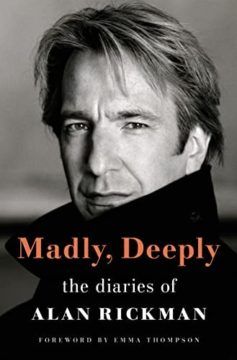 For anyone with a sneaker for the man and his work, these diaries are a delight. For one thing, they’re filled with his acerbic verdicts on the films and plays he sees. Vicky Cristina Barcelona he dismisses as ‘Woman’s Weekly tosh’, which seems about right. He’s no fan of the over-praised Last Seduction, noting that ‘an espresso is more rewarding’. As for Marvin’s Room, he complains it’s ‘another of those American plays which insist that you feel something’, before adding wryly, ‘I don’t think anger & frustration is what they had in mind.’