
The lingual life of a New Year
many times, this morning I absorbed
the fricative glottal as h in the happy
hit me with the strength of a history;
Mesopotamians up to Roman sought
a contradictory blessing of Janus
the trail of passion, ingraining
hiatal pretexts of rituals, our
survival is so temporal, so this
carnivalesque of the desire of living
amidst the debris of children
bombed in Syria and Gaza, headlines
for eternity bursting on lips, fireworks
over the waters of Oceania, I see on
the screen of my cell phone choked
with messages, so I scroll down
while the dog in the street
as Auden said after the bone,
the lover is dead, pulling along a
hearse a burial with a fricative glottal.
by Rizwan Akhtar
Institute of English Studies
Punjab University, Lahore
Enjoying the content on 3QD? Help keep us going by donating now.
 During the 1950s and ’60s, Norman Holmes Pearson was one of Yale’s most successful and beloved professors. On the first day of each term, he would crab-walk to the front of the class, his misshapen body—the result of a childhood fall—on full display. Former students often remarked that the uneasy silence of that first day gave way to a dramatic crescendo of applause following Pearson’s lectures. One such student, journalist Thomas Wolfe, called Pearson “the most superbly theatrical teacher I have ever seen.”
 Flu is a disease caused by a family of related influenza viruses. Pandemic flu is always caused by the influenza A virus. Influenza A has two surface antigen proteins, hemagglutinin (18 flavors) and neuraminidase (11 flavors). A particular flu strain is named after which flavors of these two proteins it has – for example, H3N2, or H5N1.
 Shortly after the recent election, the New York Times reported the results of
  Let me sum all this up because it’s too much information to process: What o3 just did is leap into uncharted territory. OpenAI
 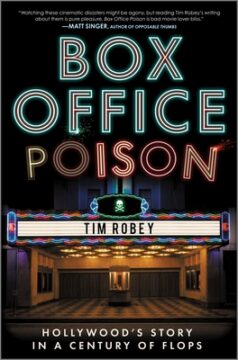 There are three rules for avoiding a cinematic flop. Rule one: don’t pick a title that is boring, misleading or hard to pronounce. The title wasn’t the only thing that was bad about the misfiring romantic drama Gigli (2003), starring Jennifer Lopez and Ben Affleck, but the fact that cinemagoers weren’t sure if they should be asking for ‘two tickets to Giggly’ didn’t help. Synecdoche, New York (2008) and The Hudsucker Proxy (1994) had more people reaching for their dictionaries than their wallets. But what about a title that has nothing whatsoever to do with the story?
 P
P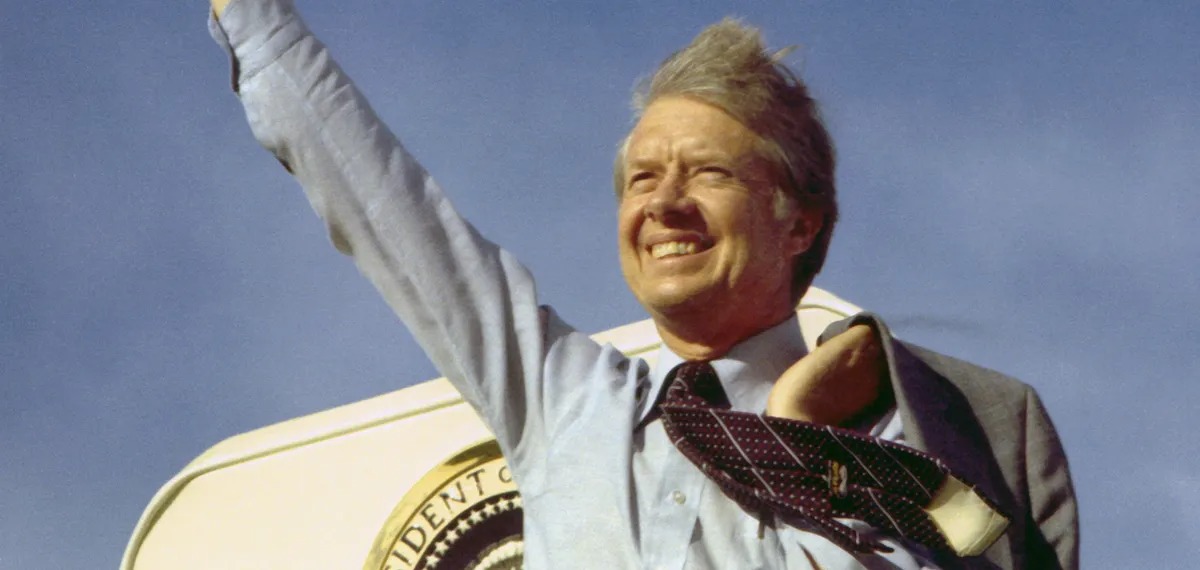 The story starts in 1974 when
  A good New Year’s resolution might be to experiment what “doing nothing” might mean for your life, and trying to notice how it changes your worldview—and opens you up to imagine the possibility of other, larger, more systemic changes in society. Opt out of literally every possible thing you can. Cancel everything you currently have on auto pay, or at least the things you don’t absolutely need to survive, like subscriptions to household goods, take-out app memberships, and Substack newsletters full of product recommendations. Opt out of all after-school activities for your kids—all the driving around, and the new gear. Clear your schedule. And then start adding back in the things that bring you connection and joy.
 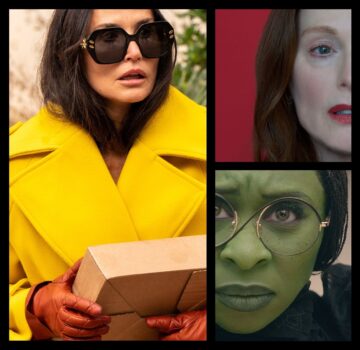 Fire-engine red. Egg-yolk yellow. Christmas-tree green. The palettes of this year’s potential Oscar contenders can be summed up in one word: Bold. “Everybody on Pedro’s sets ends up wearing really strong colors,” said Inbal Weinberg, the production designer who dreamed up the striking, primary color-heavy visual aesthetic for Pedro Almodóvar’s euthanasia drama, “The Room Next Door.”
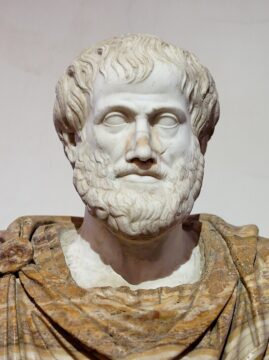 The Hungarian folktale Pretty Maid Ibronka terrified and tantalised me as a child. In the story, the young Ibronka must tie herself to the devil with string in order to discover important truths. These days, as a PhD student in philosophy, I sometimes worry I’ve done the same. I still believe in philosophy’s capacity to seek truth, but I’m conscious that I’ve tethered myself to an academic heritage plagued by formidable demons.
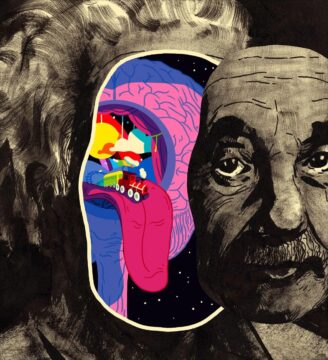 Isaac Newton’s lifelong quest to transmute base metals into gold is normally forgiven as a symptom of the pre-scientific nature of his age. But “great minds holding eccentric, even kooky, beliefs” is a pattern that crops up throughout history. Even after there became strong social reasons for scientists to disguise even the faintest whiff of the irrational. William James, the godfather of psychology, believed in ghosts. Fred Hoyle, who came up with the idea that stars created chemical elements via nuclear fusion, thought that influenza came from space. Nikola Tesla was obsessed with the number three. Nobel Prize winner Wolfgang Pauli believed that his mere presence could drive laboratory equipment to malfunction. Kurt Gödel starved himself to death out of fear of being poisoned. Brian Josephson, a still-living Nobel laureate, thinks that water has memories.