
Carl Zimmer in the New York Times:
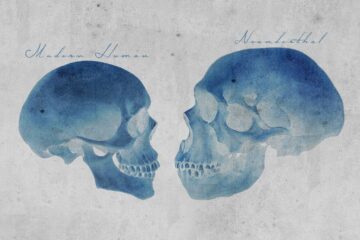
In a study published on Thursday in the journal Science, a team of researchers report that men with a lot of Neanderthal ancestry and women with a lot of modern human ancestry had a strong preference to mate with each other. Maybe modern human women found something especially attractive about men with a lot of Neanderthal DNA, or vice versa. Or maybe the two groups were equally attracted to each other.
However it played out, the preference was intense. “You need a strikingly strong phenomenon to get us there,” said Alexander Platt, a geneticist at the University of Pennsylvania and an author of the new study.
More here.
Enjoying the content on 3QD? Help keep us going by donating now.

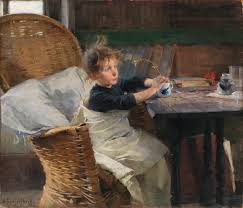 The best works by the Finnish painter Helene Schjerfbeck leave you convinced they might vanish from one moment to the next, just as a dream seems to grow sharper right before it ends. For all their winking tints and sinuous linework, the dominant mood is one of bittersweet calm, reminding us that fugacity, when it recurs often enough, eventually achieves a sort of permanence. Seeing Silence: The Paintings of Helene Schjerfbeck, on view at the Metropolitan Museum of Art through April 5, is a fittingly relaxed introduction to the artist, revealing Schjerfbeck’s discreet mastery, one cleverly understated canvas at a time.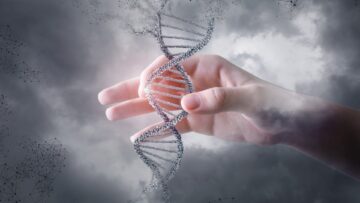
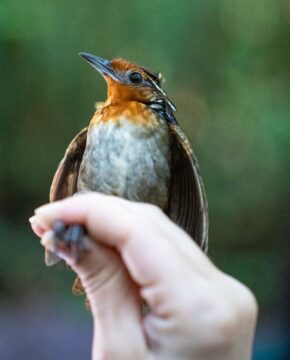 NEAR MANAUS, BRAZIL—
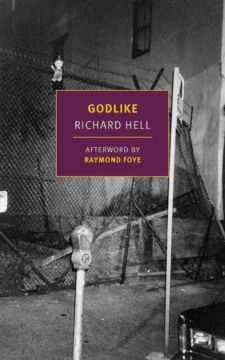 Though “Godlike” is inseparable from the downtown scene in which it is set, the word “punk” fails to make an appearance in the book. In fact, save for an isolated reference to
 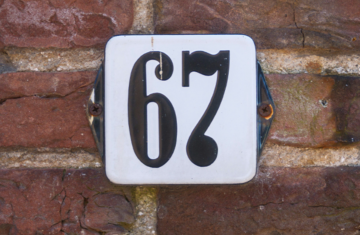 A few months ago, I was babysitting two kids, one eight and the other five years old. We were in the middle of a board game when the numbers six and seven happened to come up together. Suddenly, as if they had been struck by something. They giggled hysterically, chanting “Six-seven!” with their hands up and down. I was so confused.
 A clump of human
  Without Donald Trump, the crypto industry would have met a very different fate. In the years before his second presidential campaign kicked off, crypto markets were undergoing a series of downturns that, if not necessarily spelling cryptocurrency’s death knell, were threatening to dramatically weaken the standing of an asset class that had minted a new generation of economic elites, relegating it to the status of a niche object for the likes of tech hobbyists, online gamblers, and drug dealers. 2022 in particular was such a bad time for crypto that
  THERE IS, IT SEEMS TO ME, a right wrong way and a wrong right way to see
  I find these publications compelling by their very existence and, for the most part, unreadable. Their content slides off my mind. Gray literature’s high and narrow window onto specialist processes is anathema to traditional general-interest non-fiction publishing, which delivers information like a tap dispenses safely managed water—filtered, chlorinated, and piped into your very own quarters. Gray literature is a sploshing bucket of someone else’s water, murky with unfamiliar vocabulary, its means of application not always entirely obvious. Each publication is an invitation to speculate on a sector’s operations, to marvel at the specificity of other people’s knowledge and the focus of their working lives. My paltry library gestures toward the infinite complicatedness of human activity and the vast, disorganized array of murky buckets out of which the materiality of our lives somehow continues to emerge.
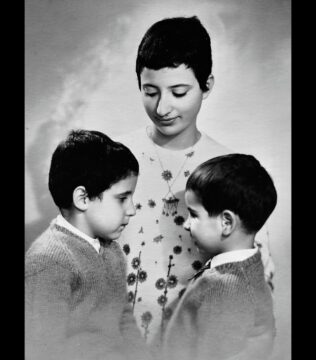 In her 1977 novel Angst, Hélène Cixous names the quarter hour of Great Suffering—“straight away,” “never again”—when the mother lays the child on the tiles and does not return. Angst divides us: either to remain in unending anguish, or to move to the anguish of an unendingness. This is the threshold into which the text plunges the reader.
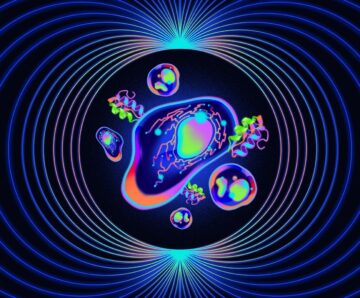 Crystal jellyfish have an eerie beauty: thanks to a natural protein, they emit a faint green glow. For decades, researchers have used that green fluorescent protein and similar molecules to light up the field of biology, tracking what’s happening inside cells.
 In most nations and most parts of the world, for most of history, couples were formed not by the individuals themselves, but by the wider society, families, the village, the court. There were, if you like, dynastic marriages. You would get together with somebody because they had a plow and you had an ox and it seemed like a good match, or you were the Duke of Brabant and they were the Princess of Naples and that was seen as a wonderful union. So you got together for reasons that were nothing to do with emotional compatibility. There were a lot of tears, there was sadness, there was loneliness, but it didn’t seem to matter because relationships were seen to be about something else.