
Carol Schaeffer in The Nation:
 In 1960, the journalist and social critic Vance Packard identified a trend in American consumer culture: “planned obsolescence.” Either through superficial changes that made the older models appear outdated or through deliberately shortened product lifespans, consumers were encouraged to buy more, which also meant wasting more. It was a sales tactic, Packard found, originally popularized by a 1932 snake-oil salesman turned entrepreneur named Bernard London. London argued that manufacturers should deliberately shorten the lifespan of their products to drive continual consumer demand, boost sales, and keep the industry’s wheels turning. Just a few decades later, Packard argued that planned obsolescence was changing the very character of the American shopper: “We are being trained to live wastefully, with the idea that this is somehow patriotic,” he wrote in his book The Waste Makers.
Packard was perhaps the 20th century’s most prolific Cassandra on the trajectory of American consumerism, a way of life that has touched every corner of the globe and reshaped the world economy. Americans are the world’s foremost buyers, and the rest of the world—until recently—has mostly happily served as willing merchants and manufacturers. This cycle of consumption has created so much trash on the planet that the quantities are almost impossible to comprehend.
More here.
Enjoying the content on 3QD? Help keep us going by donating now.
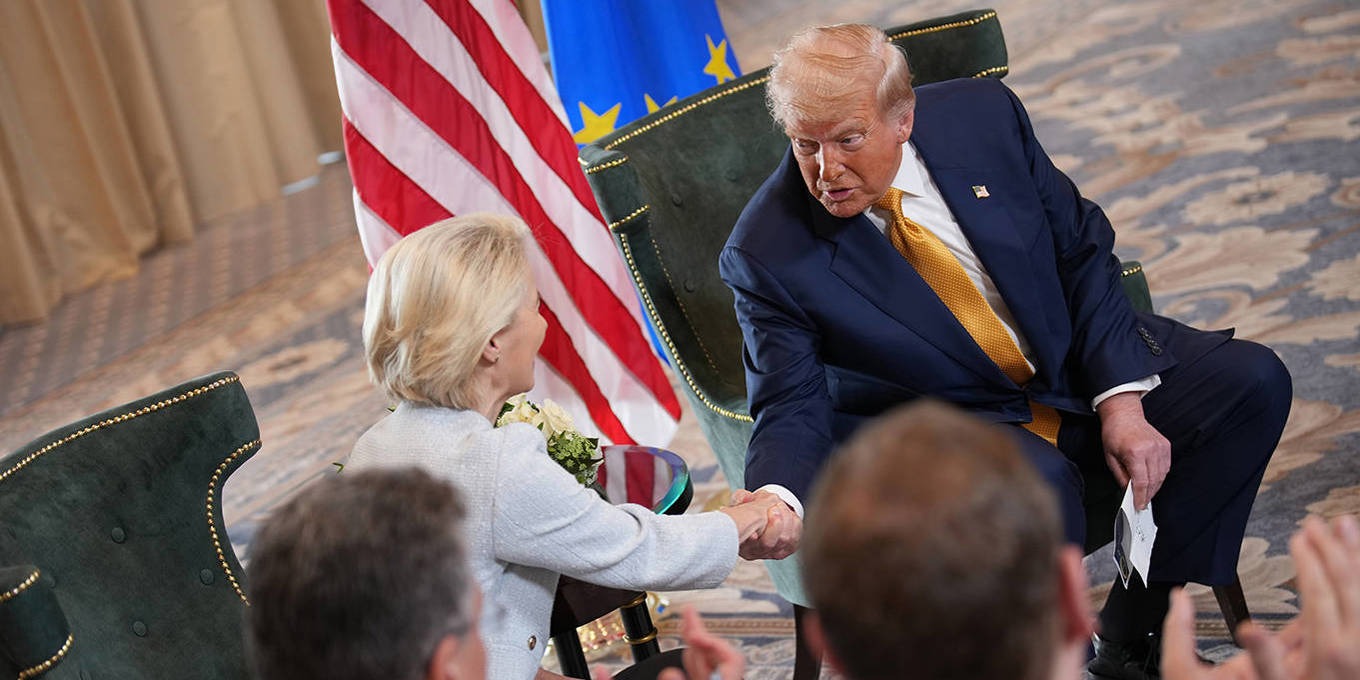 By agreeing to 15% tariffs on most exports to the United States, the European Union has capitulated to Trump’s zero-sum worldview. In doing so, it has abandoned the principles of multilateralism that have long guided global trade.
 F
F Blood from a chicken’s crest was sprinkled over a fire, and its bleeding head was touched against hot stones and a cooking pot. The chicken was then held over the flames and its feathers burnt off before it was cooked with a set of 19 leaves and other ingredients (which must remain secret). Then, as I looked to the east, palm wine mixed with potions was poured into my eyes to ‘open’ them so I could see clearly. And, finally, a portion of the prepared meal was put to one side and later dropped into the hole of a spider (or crab) to ensure that it would continue to tell the truth. This is how, in a Cameroonian village, I was initiated as a spider diviner by the late Wajiri Bi
  S
S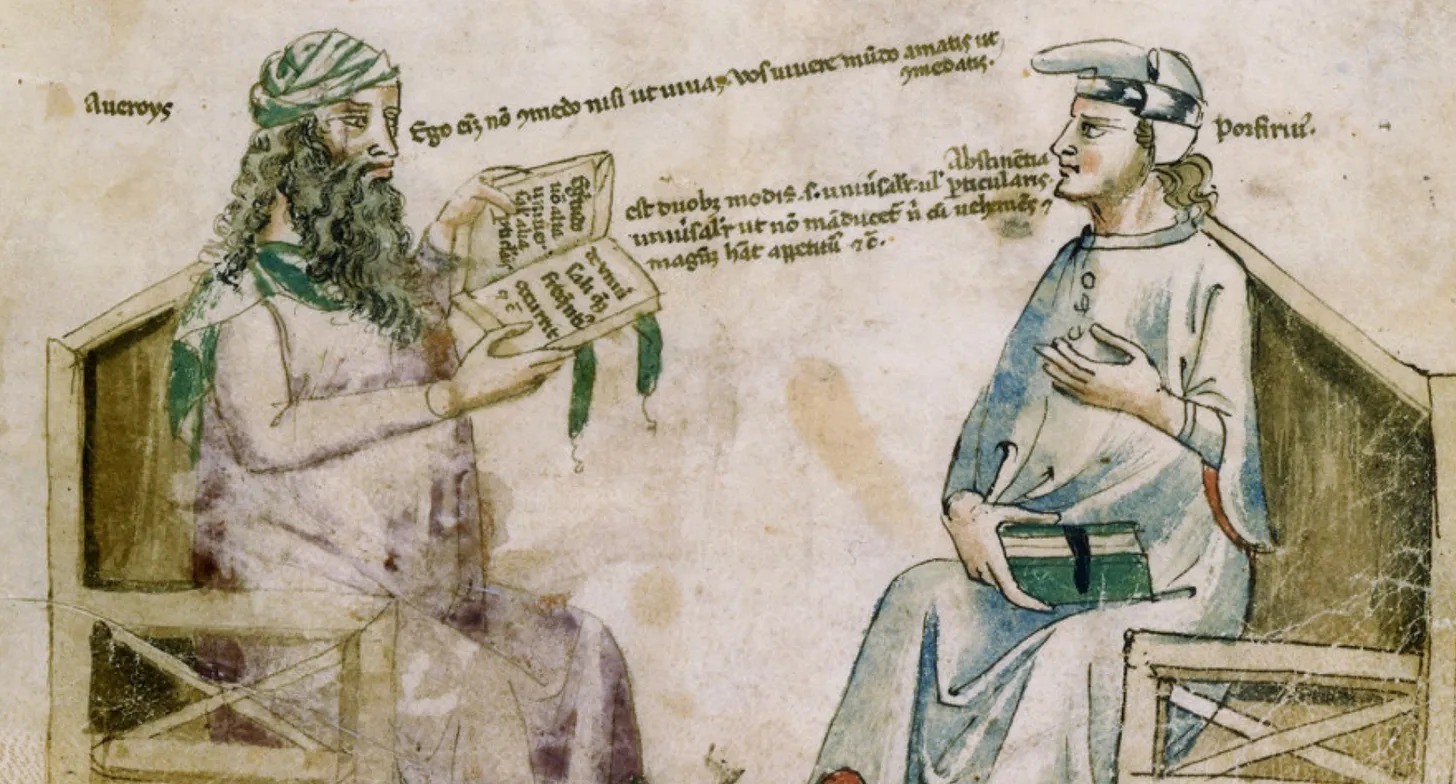 I, Justin Smith-Ruiu (ב), born 30071972 and uploaded 18102036, hereby submit to the Council my Petition for immediate and permanent shutdown.
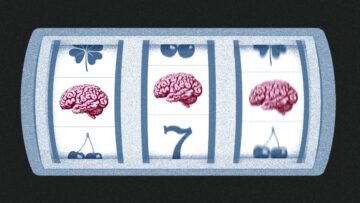 This is the double-edged sword of dopamine. On one hand, this neurotransmitter might be considered the engine of human achievement. On the other hand, it’s incredibly vulnerable to manipulation by modern technology and instant gratification culture.
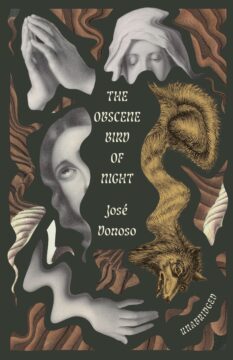 The Obscene Bird of Night
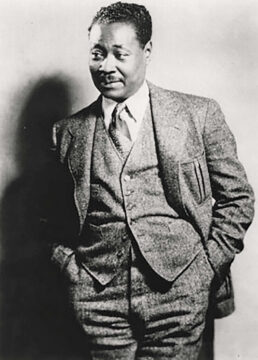 My dear Langston
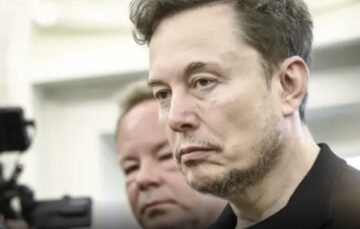 For starters, ChatGPT said that if billionaires paid taxes like the upper middle class, the government would bring in a lot more money — potentially hundreds of billions of dollars more every year. “That’s because most billionaires don’t make their money from salaries like upper-middle-class workers do. Instead, they grow their wealth through investments–stocks, real estate, and businesses–which are often taxed at much lower rates or not taxed at all until the assets are sold,” ChatGPT told me.
 Designing drugs is a bit like playing with
 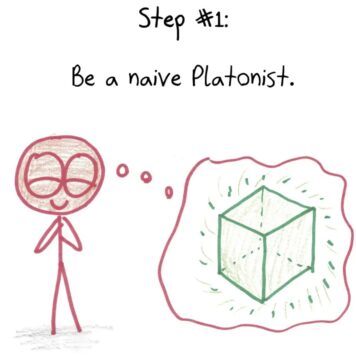 Every baby is born the same way (namely, as a baby).