
Tim Vernimman in Knowable Magazine:
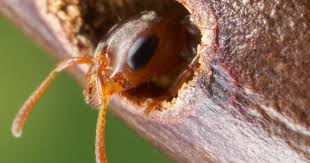 When two species interact to the benefit of both, biologists speak of “mutualisms.” But nice as these relationships may sound, they are rarely perfectly harmonious — in fact, they can evolve to become unbalanced and exploitative. Species can cheat or manipulate each other, or downright endanger each other’s health and survival. To stop that from happening, they’ve evolved a variety of mechanisms to control or even punish each other.
Guillaume Chomicki, a biologist at Durham University in the United Kingdom, has been intrigued by mutualisms for years. He specializes in a peculiar group of plants in the genus Squamellaria, members of which grow high in the canopy of tropical trees. These plants develop mutualistic relationships with species of ants, which provide the plant with food, and sometimes help cultivate it, in return for shelter and snacks. Chomicki has found that Squamellaria plants can prevent cooperation from breaking down by isolating their ant “guests” within physical compartments — and that they are far from the only species doing this.
More here.
Enjoying the content on 3QD? Help keep us going by donating now.