
Sneha Khedkar in The Scientist:
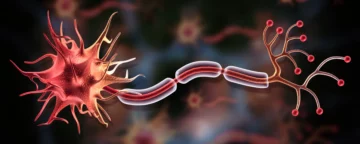 Iron is an essential element for brain functions like neuronal development, yet too much of it can be harmful. For decades, scientists studying aging and neurodegenerative diseases have observed iron buildup in certain regions of the brain.1 Such iron accumulation can trigger ferroptosis, a form of programmed cell death.
While researchers have obtained insights into the mechanisms underlying ferroptosis, these have largely come from studying acute conditions, which do not reflect the chronic stress that neurons encounter in most neurodegenerative diseases.2 “If the diseases are progressive that means that if [iron] is accumulating over a period of time, then we need to have a cellular model in the lab that could at least mimic those changes,” said Nawab John Dar, a postdoctoral researcher in biochemist Pamela Maher’s lab at the Salk Institute for Biological Studies.
Now, Dar, Maher, and their team have found that chronic iron overload in nerve cells renders the cells hypersensitive to oxidative stress through a process they named “chronoferroptosis.”3 Their findings, published in Cell Death Discovery, indicate the role of iron accumulation in neurodegenerative diseases and underscore the importance of modeling the progressive nature of such conditions.
More here.
Enjoying the content on 3QD? Help keep us going by donating now.